If you focus on realism, you already know how unforgiving a bad stencil can be. One warped line in a portrait and the whole piece feels off. Choosing the best transfer paper for realism tattoos is less about hype and more about clean lines, stable stencils and smooth workflow. This article walks you through a real-world tattoo transfer paper comparison, so you can pick a setup that fits your style instead of guessing.
You will see how thermal transfer paper for tattoo stencils stacks up against hand-drawn tattoo stencil paper, where each one wins, and how to match your choice with portrait work, fine line designs and long sessions.
What Makes Realism Tattoos Different
Realism is all about tiny details and smooth tone. Your stencil has to support that. If the template is fuzzy, you fight it the whole day. For realistic pieces, detailed realism tattoo stencil clarity matters as much as needle choice. You also think about realism tattoo stencil durability on skin, because big portraits often run for hours or over more than one session.
When you plan how to transfer fine line realism designs, especially on faces and hands, you want reference lines that stay sharp but not overpower your shading. The best tattoo transfer method for large realism pieces is usually the one that keeps proportions locked in while letting you improvise with texture and light.
High Detail and Precision Requirements
Realism often means tiny pores, hair strands, wrinkles and soft transitions. For this kind of work, many artists look for the best stencil paper for high-detail portrait tattoos rather than a generic stencil sheet. The clearer the map on the skin, the less mental load you carry during the session, and the more attention you can put into values and smooth blends.
Overview of Tattoo Transfer Paper Types
Before picking a side, it helps to look at the two main stencil routes artists use today. Most shops mix thermal transfer paper for tattoo stencils with some form of hand-drawn tattoo stencil paper. That mix gives you stability from the machine and flexibility from your pencil or pen. This is where your own tattoo transfer paper comparison starts.
Thermal Transfer Paper
Thermal sheets are designed to run through a thermal copier or printer. A typical high quality set uses four layers: a top transfer sheet, a protective tissue, a colored carbon layer and a backing sheet, so the image burns cleanly into the stencil layer without messy spots.
Good products use stable dye and wax coatings, so the stencil transfers smoothly to the skin and resists quick fading. Once you learn the right thermal copier settings for realism tattoos, you get repeatable, sharp templates from digital artwork or hand-drawn line work.
Hand-Drawn Transfer Paper
Hand-drawn sheets let you sketch the stencil directly onto the paper. You can add shading notes, arrows, little reminders to push contrast in certain zones. Many artists like this for custom pieces, because the hand-drawn tattoo stencil paper feels closer to the sketchbook. It is slower on very complex portraits, but great when you tweak shapes on the fly in a consultation.
Thermal or Hand-Drawn for Realism Tattoos?
So which route wins for realism: thermal or hand-drawn? In practice you look at thermal vs hand-drawn tattoo stencil accuracy, your typical design size and how you work with clients.
If you often build large digital mockups for tattoo stencil paper for portrait tattoos, thermal sheets save a lot of time. If you sketch a lot straight in front of the client, hand-drawn paper feels more natural.
Thermal Transfer Paper for Realism Tattoos
Thermal sheets shine when you need tight proportions. For realistic faces, hands or animals, they are often the best tattoo stencil method for realism because they copy your digital or printed artwork almost one-to-one. That makes them strong candidates for the best stencil paper for high-detail portrait tattoos.
Paired with the right machine, thermal transfer paper for tattoo stencils also helps with realism tattoo stencil durability on skin. Use proper stencil gel on clean, dry skin, press the sheet evenly, then peel slowly from one corner. This basic routine, plus some simple stencil smudging prevention for long sessions like avoiding heavy wiping and using softer paper towels, keeps the map readable deep into a full-day piece.
Hand-Drawn Stencils for Realism Tattoos
Hand-drawn paper still has a place in realism. It works well when you adjust jawlines, hair flow or clothing folds during the consult. For some artists, the best tattoo transfer method for large realism pieces is a hybrid: rough structure drawn by hand, key portrait lines printed thermally.
That said, pure hand-drawn stencils demand time. On very detailed portraits, accuracy depends on your freehand skills and patience. If you rush, the stencil can drift from the reference, which you definitely feel later when shading.
How to Choose the Best Transfer Paper for Your Realism Style?
You do not need a complicated chart. Think about what you tattoo most. If your feed is full of tight portraits and movie characters, then a reliable thermal setup is usually the best transfer paper for realism tattoos. If your work leans more towards loose realism, sketchy shading and smaller pieces, a mix of thermal outlines and hand-drawn tattoo stencil paper for notes works well.
Whichever path you pick, build a simple routine for how to transfer fine line realism designs and test it on a few clients or fake skin first. Once your stencil process feels boring and consistent, you know you are close.
Why Choose INKONE for Realism Tattoo Transfer Paper?
INKONE focuses on tattoo equipment only, not general office supplies, so its transfer sheets are built for skin work from the start. Based in Yiwu, a major production hub in China, the brand has grown with a professional team that works on both circuit design and machine structure, plus a full range of studio gear from machines to disposable supplies.
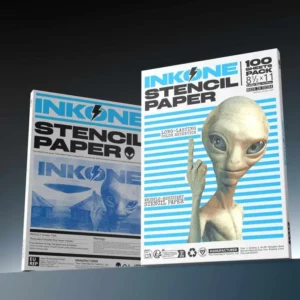
For thermal papers, INKONE offers four-layer sheets with a transfer layer, protective tissue, colored carbon and backing sheet. The coating uses quality dye and wax, which helps the stencil go onto the skin smoothly while staying readable during wiping. Packs come in practical counts, so you can stock up without clogging your drawers. If you want something ready for portraits and fine line work, a set of professional thermal tattoo transfer paper is an easy starting point. You handle your realism, the paper quietly does its job in the background.
FAQ
Q1: What gives better detail for realism, thermal or hand-drawn stencils?
A: For most portrait work, thermal sheets give more consistent detail, especially when you print from a clear digital design. Hand-drawn stencils still help when you need small custom tweaks, but they take more time and practice.
Q2: Do you need a thermal copier for realism tattoos?
A: You can work without one, but a copier makes life easier once you do a lot of realistic pieces. It keeps thermal vs hand-drawn tattoo stencil accuracy high and saves you from redrawing complex faces over and over.
Q3: How can you stop a realism stencil from smudging during long sessions?
A: Use good stencil gel, let it dry a bit before you start and wipe gently in one direction instead of scrubbing. That alone helps with stencil smudging prevention for long sessions, especially on big backs and thighs.
Q4: Is hand-drawn stencil paper still useful if you mostly do portraits?
A: Yes, it is still handy. You can print the main portrait on thermal paper, then use hand-drawn tattoo stencil paper for extra hair, background smoke or lettering. Many artists prefer this layered approach.
Q5: How do you choose the best tattoo transfer method for large realism pieces?
A: Look at your workflow. If you build big digital layouts, thermal sheets usually become the best tattoo transfer method for large realism pieces. If you sketch freehand a lot, you may split the job, using thermal for core structure and hand-drawn overlays for flow and background.