When your machine runs smooth, you feel it in every line. The needle tracks straight, the motor sounds calm, and you can focus on the tattoo, not on the tools. When the machine starts to lose power, heat up, or get noisy, stress goes up and the risk of touch-ups grows. Regular care for your electric tattoo gun is not a nice extra. It is part of doing clean, consistent work every day.
This guide walks you through simple, real-world habits for tattoo machine maintenance. You can fit them into your normal cleaning routine without turning your studio into a repair shop.
Why Electric Tattoo Gun Maintenance Matters
Many artists think their machine is “worn out” when the problem is actually dirt, dry parts, or tired cables. A bit of care extends the life of your setup and keeps your hand feeling the same from the first client to the last. Good maintenance also protects your reputation. Clients may not know the names of parts, but they do notice when a machine screams, stalls, or stops.
If you treat maintenance as part of your craft, not a boring side task, you get fewer surprises and fewer days where gear lets you down.
Daily Cleaning Habits For A Smooth-Running Electric Tattoo Gun
Your daily cleaning routine decides how your machine looks and feels six months from now. It is easier to remove fresh residue today than dried ink and spray that has baked onto the frame over weeks.
Wipe Down Without Harsh Chemical Residue
You already clean for hygiene, but the way you clean also affects the life of the machine. Strong chemicals left sitting on paint, plastic, or rubber can slowly eat into surfaces. After you disinfect, wipe the body again with a damp cloth to remove extra chemical film. Focus around the grip, nose, and motor housing. This simple habit helps prevent sticky buttons and dull, flaky coatings over time.
Keep Grips Casings And Work Area Clean
Ink mist and glide can travel farther than you think. Clean the grip and front section carefully, then dry them fully before you store the machine. Try to keep your machine in a case or drawer when it is not in use. Leaving it bare on a busy station invites dust, pigment, and bumps from anything else on the table.
Key Contact Points And Moving Parts You Must Check
Even a well-cleaned shell will not fix power loss if the current path inside is dirty. Contact points and moving parts decide how stable your hit feels. Small faults here often show up as “machine feels weird today”.
Clean Electrical Contact Points Regularly
Every joint where metal touches metal is a possible trouble spot. Over time, oxidation and dirt can build up on contacts and add resistance. That can make a strong machine feel weak. Clean the ends of connectors, RCA jacks, and any screw terminals with a cotton swab or a small piece of fine abrasive pad. Do this gently. You want shiny metal, not deep scratches. Regular attention here keeps voltage closer to what your power supply shows.
Inspect Springs Armature Bars And Bearings
For coil tattoo machine care, watch the springs and armature bar. If a spring is bent, cracked, or losing tension, the machine will struggle to hit the skin the way you expect. Check that screws holding the springs sit tight and square. For rotary styles, flex the shaft and listen while the motor runs. Any grinding or wobble points to bearing wear or a crooked cam. Fixing these early is cheaper than running a motor until it fails in the middle of a big piece.
Power Supply Cords And Voltage Control
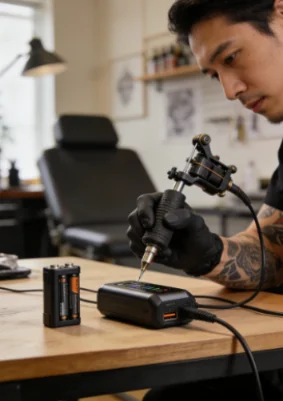
Many problems that feel like “machine issues” start outside the frame. The tattoo machine power supply, cords, and pedals can all cause weak or jumpy performance if they are not in good shape.
Use Quality Cords And Check For Hidden Damage
Clip cords and RCA leads bend and twist all day. Internal wires can break while the outer jacket still looks fine. If you wiggle a cable and the sound of the machine changes, that cable is on its way out. Replace cheap or very old leads instead of fighting them. A solid cable reduces voltage drop and stops those random cuts that break your flow.
Match Voltage To The Work Style
Running too high to “make it hit harder” may feel strong for a while, but it creates extra heat and wear. Running too low can cause the needle to drag and chew the skin. For lining, artists often use a slightly higher range than for soft shading. Start in the middle of the range suggested for your model, then adjust by ear and by how the needle moves. If you notice the machine getting hot fast, step back and rethink your settings. That heat is wasted energy turning into stress on parts.
Weekly And Monthly Maintenance Routines
Daily wipe downs are not enough on their own. A short weekly and monthly check catches slow changes before they become failures. Think of it like stretching your hands. It may feel small, but over a season it really matters.
Tighten Screws And Check For Play
Once a week, take a couple of minutes to check the main screws and frame parts. Look for any movement in the grip, motor mount, or armature bar. A loose screw can slowly enlarge its hole and turn into a permanent problem. Tighten gently and avoid stripping threads. If anything keeps coming loose, mark it for closer inspection or replacement.
Listen For Unusual Noise And Heat
Sound and temperature tell you a lot. If your machine suddenly becomes louder, rattles, or has a sharp metal click, something has changed inside. The same is true if the body gets much hotter than it used to during the same length of session. These are early signs that bearings, springs, or windings are under stress. Treat them as warnings, not background noise.

When To Repair Or Replace Your Electric Tattoo Gun
No machine lasts forever. Good tattoo machine maintenance gives you more life, but it also helps you see when it is smarter to call in help or move on to a new tool.
Signs You Need Professional Service
If you clean contacts, check cables, and set a sensible voltage, but the machine still loses power, heats up fast, or cuts out, it is time for service. Other red flags include visible sparks, a burnt smell, or parts that shift even after you tighten them. These are not things to ignore during a packed week.
Knowing When A New Machine Is The Better Choice
At some point, repair cost and time off the station may exceed the value of the unit. If you work many hours each week, a reliable machine is a direct part of your income. When problems repeat and parts keep failing, a fresh machine with modern design and a good warranty can be the safer, calmer choice in the long run.
Why INKONE Matters for Modern Tattoo Artists
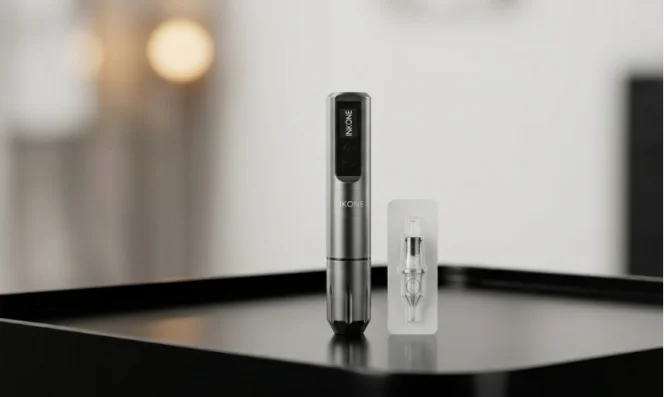
INKONE is a specialist tattoo equipment brand based in Yiwu, China, active in wireless and rotary machines for modern studios. The company has focused on tattoo tools for years and is known for custom coreless motors, adjustable stroke systems, and battery packs that can support several hours of real-world work.
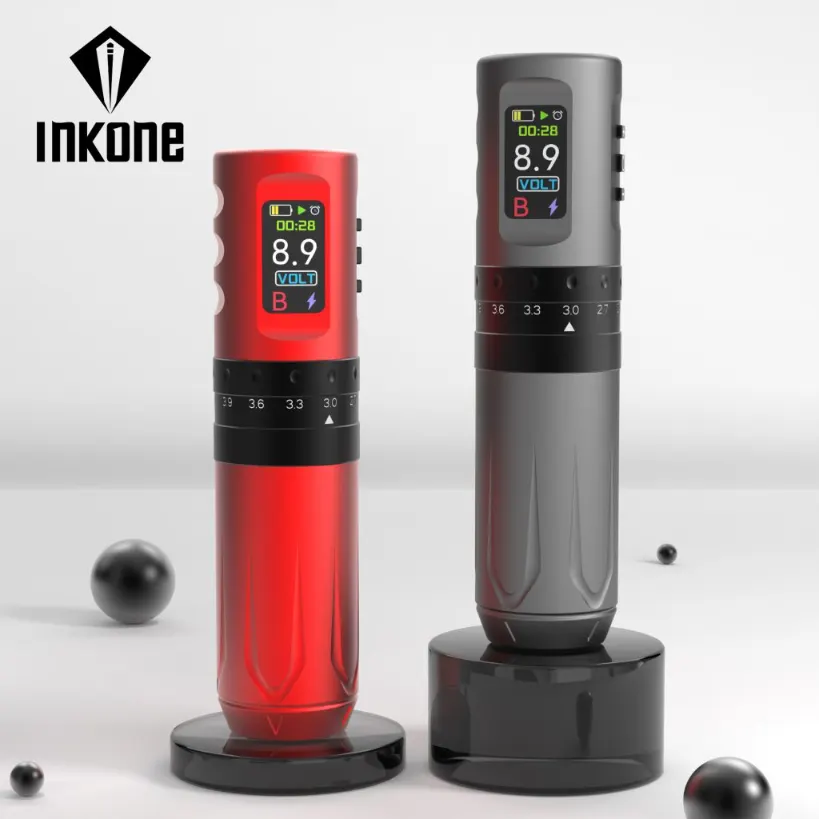
Many of its wireless pens and machines use aviation-grade aluminium, direct drive systems and digital displays that show voltage, hertz, battery level and timer functions. Stroke ranges such as 2.4 to 4.2 mm and working voltage from about 4 to 12 volts give you enough room to handle both delicate linework and heavy color packing with the same tool. INKONE designs hardware and electronic control in house, which helps match motor behavior with the power module for a more stable feel on skin. For artists who want clean design, long battery life and consistent performance in one unit, the brand has become a regular name in many pro supply stores worldwide.
FAQ
Q1: How often should I clean my electric tattoo gun?
A: Do a basic wipe down after every session and a more detailed clean at the end of each day. Then add a deeper check weekly for screws, contacts, and moving parts. This rhythm fits into most shop schedules without slowing you down.
Q2: Why does my machine lose power in the middle of a tattoo?
A: Common reasons include dirty contact points, worn cables, or a weak tattoo machine power supply. Sometimes the machine is fine, but voltage at the needles drops because of resistance in old leads or connectors.
Q3: How can I tell if the problem is the power supply or the machine?
A: Try another cable and, if possible, a different power unit with the same settings. If the machine runs better, the fault is likely in the old supply or cord. If it behaves the same, the issue is probably inside the machine.
Q4: Do coil and rotary machines need different maintenance?
A: Yes, coils need more attention on springs and contact screws, while rotary units depend more on cams and bearings. The basic ideas are the same though. Keep them clean, avoid harsh chemicals, and listen for changes in sound and heat.
Q5: When should I replace my tattoo machine instead of repairing it?
A: If you keep fixing the same problem, or if the cost of parts and service gets close to the price of a reliable new unit, it may be time to move on. Frequent breakdowns during sessions are a clear sign that a replacement will serve you better.