Tattooing is one of the oldest forms of art, but the tools are not the same as they were years ago. Today, artists and learners use modern machines that feel smooth and simple. Among these, the tattoo pen has become a favorite. It looks small, works quietly, and is easy to handle. For a beginner, it can feel less scary compared to the loud coil machines. But here’s the thing—using it the right way matters just as much as owning one.
This guide walks through what a tattoo pen is, how to prepare it, and how to start practicing. It also shares tips on techniques, safety, and mistakes to avoid. Think of it as your starting point before you even ink your first line.
What Is a Tattoo Pen?
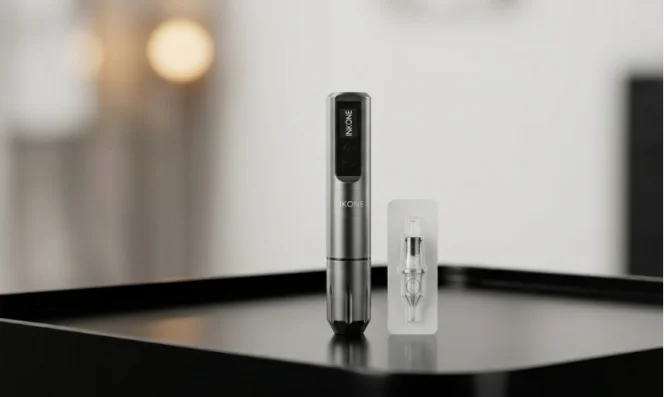
A tattoo pen is a rotary-powered tattoo machine shaped like an ordinary writing pen. That’s where the name comes from. It’s slim, lightweight, and made to fit naturally in the hand. When you compare it with a coil machine, the difference is clear. Coil machines are heavy and noisy, while tattoo pens are quiet and steady.
For a new artist, that calm hum instead of a loud buzz can help lower stress. It’s easier to focus when the machine isn’t shaking too much or making clients nervous.
Main Parts of a Tattoo Pen
A tattoo pen looks simple on the outside, but inside it has several working parts. Each part plays a role in how the machine runs.
Motor – This is the small engine inside that drives the motion.
Grip – The part you hold, often adjustable for comfort and control.
Cartridge Slot – The opening where needle cartridges are locked in place.
Power Input – Usually RCA or DC cable connection that links to the power supply.
Adjustment Control – Lets you fine-tune needle depth or stroke length.
Here’s a quick table comparing tattoo pens with coil machines:
| Feature | Tattoo Pen (Rotary) | Coil Machine |
| Noise Level | Soft and quiet | Loud buzzing sound |
| Weight | Light, balanced | Heavier, less balanced |
| Needle Setup | Quick cartridge system | Traditional needle + tube |
| Beginner Friendly | Yes, very simple | Takes longer to learn |
| Maintenance | Low, fewer parts to adjust | Higher, needs tuning |
How to Set Up a Tattoo Pen
Getting ready is not hard, but every detail counts.
Step 1: Gather Everything You Need
You will need:
A clean tattoo pen (example: INKONE NOVUM Tattoo Pen)
Disposable needle cartridges
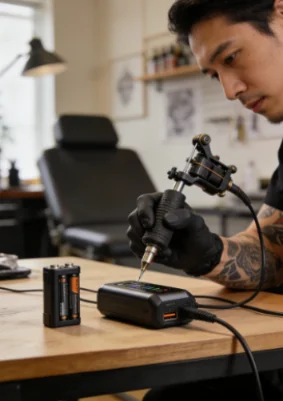
Power supply with a matching cable
Small ink caps filled with tattoo ink
Gloves, barrier film, disinfectant wipes
Step 2: Make the Workspace Safe
Cover tables with barrier film. Put on gloves. Wipe down tools and surfaces with disinfectant. Cleanliness is not an extra—it’s a must.
Step 3: Attach the Cartridge
Slide the cartridge into the tattoo pen until you hear or feel a click. Check if the small rubber membrane is intact. This prevents backflow of ink or fluids.
Step 4: Connect Power
Attach the pen to the power supply. Adjust voltage slowly. Most tattoo pens work best between 6V and 10V.
Step 5: Adjust Needle Depth
Turn the grip to control how far the needle comes out. For most tattoos, 1–2 mm depth is enough. Too deep causes scars, too shallow makes ink fade quickly.
Step 6: Practice First
Never start directly on human skin. Try synthetic skin, or even fruit like oranges or bananas. Many beginners use citrus because the texture is close to real skin.
Basic Techniques for Beginners
The tattoo pen feels natural, but you still need to train your hand.
Holding the Pen
Hold it like a regular pen, but don’t squeeze too tightly. Use your arm to move instead of just your wrist.
Lining
For outlines, pick round liner cartridges. Stretch the skin with your other hand and move in steady lines. Slow and steady is better than fast and shaky.
Shading
Use magnum or curved magnum cartridges. Move the tattoo pen in tiny circles or whip motions to create soft blends.
Coloring
When filling big areas, overlap passes slightly. Think of it like coloring with markers—layer instead of pressing hard.
Common Beginner Mistakes
Mistakes happen, but some can be avoided if you know them early.
Too high voltage – Makes the tattoo pen hit too hard, damaging skin.
Not stretching skin – Results in broken lines and patchy ink.
Skipping aftercare talk – Clients need clear steps to heal tattoos well.
Using one needle for all jobs – Switch cartridges depending on the task.
Real-Life Example
Picture this: you’re doing a small word tattoo on someone’s wrist.
- You set your INKONE tattoo pen with a 3RL cartridge.
- Voltage is 7.5V. Needle depth is about 1.5 mm.
- You stretch the skin and trace slowly along the stencil.
The outcome? Clean letters, minimal trauma, and a client who walks away happy. That’s the power of knowing how to prepare and pace yourself.
Safety and Hygiene Rules
Tattooing is safe only when hygiene is strict. Always follow these steps:
- Use one-time cartridges only.
- Wrap the tattoo pen and cables in barrier film.
- Wear gloves and, if possible, a mask.
- Dispose of used cartridges and needles in sharps containers.
- Clean and disinfect the tattoo pen grip after every session.
Clients notice when an artist is careful. It builds trust and respect.
Why Tattoo Pens Are Popular
Tattoo pens aren’t just trendy. They’re practical. Artists like them because they:
- Run smoothly for long hours.
- Feel balanced and less tiring on the wrist.
- Allow fast cartridge changes.
- Work well for both lining and shading.
Beginners especially enjoy that the learning curve is not as steep as with coil machines.
Conclusion
The tattoo pen has made tattooing easier to learn and more comfortable to perform. For a beginner, it’s one of the best starting tools. It’s light, quiet, and easy to set up. But what truly matters is practice, patience, and respect for safety.
If you’re starting out, don’t rush. Practice on fake skin or fruit. Take time to learn voltage, depth, and different cartridges. Listen to your clients, and always keep things clean.
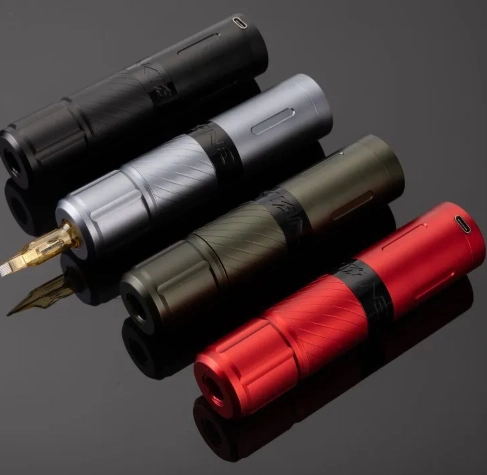
With the right habits, your tattoo pen becomes more than just a tool—it becomes an extension of your hand. INKONE tattoo pens are built for this very purpose, giving you the steady base you need to grow in your art.
FAQs
Q1: What is the best voltage to run a tattoo pen at?
Most tattoo pens, including INKONE models, work well between 6–10 volts. Beginners usually keep it around 7–8V for both lines and shading.
Q2: Can one tattoo pen be used for all tattooing tasks?
Yes, but you’ll need to switch cartridges. Liners are for outlines, while magnums work better for shading or color fills.
Q3: How should I clean a tattoo pen after use?
Take out the cartridge and throw it away safely. Wipe the pen body with disinfectant and sterilize removable parts. Wrapping the pen before use makes cleaning much easier.
Q4: Do tattoo pens hurt less than traditional coil machines?
Many clients say yes. The motion of a tattoo pen feels smoother and less rough on skin than the sharp hit of a coil machine.
Q5: Is the INKONE tattoo pen good for both beginners and professionals?
Yes. Beginners love the simple setup, while professionals value the pen’s balance, quiet operation, and steady performance during long sessions.
INKONE is the professional tattoo brand from Yiwu Yinke Electric Tools Co., Ltd. This company is known for producing high-quality tattoo pens, needles, and accessories. With years of skill in making electric tools, Yiwu Yinke has become trusted by artists worldwide.
Their tattoo pens, including the INKONE NOVUM model, focus on balance, motor stability, and lasting strength. The company invests in research, listens to feedback from real artists, and keeps improving its designs. For new learners, that means reliable machines. For pro artists, it means consistency and smooth performance session after session.