When it comes to setting up nice tattoo stencils, skin type has a lot to do with how the design goes on and stays put. Tattoo stencil paper is a key item in your job. But it does not work the same for all. Oily, dry, and sensitive skin each have their own issues. You need a different plan for each one. This way, your stencil turns out sharp, tidy, and good for tattooing. Here is how to tweak your steps for each skin type. And you can get fine outcomes.
Why Skin Type Matters for Tattoo Stencil Paper
Skin type shifts how tattoo stencil paper grabs on and lasts through the tattoo job. For instance, oily skin can make stencils shift or get messy. Dry skin may lead to the stencil breaking or losing strength. Sensitive skin might get mad at stencil stuff. This causes red areas or poor shifts. Learning about these helps you change your way. And you end up with nicer work.
How Skin Type Affects Stencil Adhesion and Longevity
Each skin type brings its own troubles when you add tattoo stencil paper. For oily skin, the added oils can block good sticking. Dry skin could make the paper grab too hard or snap. Sensitive skin can hurt faster. So you have to watch your stuff and your putting-on style a lot.
Core Steps for Using Tattoo Stencil Paper on Any Skin Type
No matter what skin type, the basic moves for adding tattoo stencil paper do not change. First, set up the design and the stencil paper. Wash the skin real good and let it dry. Check that no oil, dust, or leftovers stay. Add a slim bit of stencil solution. Wait until it feels gummy. When it is good, match up the stencil and push it down on the skin.
Universal Skin Prep Before Applying a Stencil
Before you add any stencil, fixing the skin is vital. Cut hair from the place if you need to. Then wipe it with alcohol to pull off oils or dust. Make sure the skin dries out fully before you put on the stencil solution. This keeps the stencil solid. And it stops any wrong messing during the tattoo job. You can also pat the skin dry with a clean cloth. But do not rub hard. That might bother some skin types.
How to Use Tattoo Stencil Paper on Oily Skin
Oily skin ranks as one of the toughest for stencils. The usual oils on skin can push the tattoo stencil paper to move or get fuzzy. So it gets hard to pass on a clean, spot-on image. But with some extra care, you can handle it.
Extra Degreasing and Drying Steps
To keep the stencil from sliding, begin with isopropyl alcohol. Use it to wash the skin deep. This pulls away more oil and junk. Let the area air out until dry. See that the skin seems flat and not glossy. When skin is ready, add the stencil primer. Try a slimmer coat. And give the primer more time to dry before you stick the stencil. You might fan the area lightly. Or use a cool breeze from a fan. This helps oils stay down.
Techniques to Reduce Smudging on Oily Skin
For stronger hold, do not slide or scrub the stencil on oily skin. Just push it down easy and hold it there. Keep wiping low during the tattoo task. This avoids stirring up the stencil. Pick a stencil solution that sets fast too. It aids a bunch. Work in a chill spot as well. Warmth pulls out more oils. So stay cool and even. If smudges start, stop right away. Clean soft and try again if needed. But plan ahead to skip that.
How to Use Tattoo Stencil Paper on Dry Skin
Dry skin can trick you when adding a tattoo stencil. It may push the stencil to snap or drop color quick. But soft steps make it better. You just need to think about moisture.
Gentle Cleansing Without Overstripping Dry Skin
To dodge hurting dry skin, pick a mild wash or soap before the stencil. Drop the tough alcohol or too much wiping. That pulls natural oils and dries skin more. When skin is washed, add a tad thicker bit of stencil solution. Work it in easy on the skin. Let it sit a moment. This lets the stencil grab without cracking. You can add a light lotion first if skin feels too rough. But test it small. Make sure it does not mess with the stencil hold.
Preventing Flaking and Stencil Breakup
On dry skin, watch your wipes and gear during the tattoo task. Flaking shows up often. So touch light. And drop rough rubs. This stops the stencil from leaving early. After adding the stencil, hang on a few extra minutes. Give it time to lock in. Dry skin wants that added wait to keep the design firm. If flakes appear, dab them off soft. Do not pick or scratch. That ruins things fast. Keep air moist if you can. A humid spot helps dry skin stay calm.
How to Use Tattoo Stencil Paper on Sensitive Skin
Sensitive skin flips out quicker from stuff and force. So picking right items and ways for stencils is must. Take it slow and watch for signs.
Choosing Gentle Products for Stencil Prep
Sensitive skin calls for picky choices. Grab no-scent, low-hurt stencil solutions. Drop the heavy alcohol wipes. Do a tiny test area on a milder body spot before full stencil. Look for red or tingle. If clear, move on. This move cuts problems down the line. Ask the person about past bad reactions too. Pick stuff that fits their history. Safe is better than sorry here.
Reducing Friction and Repositioning on Sensitive Skin
With sensitive skin, think hard on your push level. Do not shift the stencil much. That leads to hurt spots. If it fails to grab first time, pull it off nice. Add a fresh one. Skip tries over and over. Use soft hands all along. This holds skin quiet and stencil sharp. Talk to the person as you go. Ask if it feels okay. Stop if they say it stings. Better to pause than push and cause big issues.
Pro Tips to Make Tattoo Stencils Last Longer on Any Skin
Dialing in Drying Time Before You Start Tattooing
For any skin, wait the proper span after stencil add before tattoo start. Skin needs to dry. Stencil must feel gummy. This sets a tidy, tough shift. Hurry it, and blur might hit. So ease up. Time here brings good ends. Test a small bit if unsure. Poke it light to check stick. But do not mess the whole thing.
Smarter Wiping and Aftercare in the First Hour
Once stencil sits, cut back on wipes. True for oily or dry skin. Tap the place easy to pull extra ink. Skip shaking the stencil. In first hour, go light. Peek at stencil sometimes. If fade starts, halt and mend. Nice care from start smooths the full task. Tell the person to sit still too. Moves can shift things. Keep them comfy but steady. Drink water if wait is long. It helps skin stay good.
INKONE: Your Partner for Quality Tattoo Stencil Paper
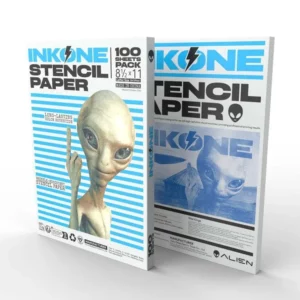
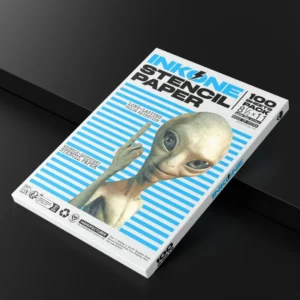
INKONE is committed to providing high-quality tattoo transfer paper that works seamlessly with various skin types. Whether you’re dealing with oily, dry, or sensitive skin, INKONE’s reliable tattoo stencil paper offers clear lines and long-lasting adhesion. Designed with tattoo artists in mind, INKONE’s transfer paper is an essential tool for creating precise stencils, ensuring every tattoo turns out as planned. Check out INKONE’s professional tattoo transfer paper for your next session!
FAQ
Q1: How can I prevent tattoo stencils from smudging on oily skin?
A: Clean the area thoroughly with alcohol to remove oils, apply a thinner layer of stencil solution, and gently press the stencil without rubbing.
Q2: Why does my stencil crack on dry skin?
A: Dry skin can make the stencil brittle. Apply a slightly thicker layer of stencil solution and avoid over-cleansing or harsh scrubbing.
Q3: How do I test if my stencil solution is safe for sensitive skin?
A: Always perform a small patch test first. If there’s no reaction within 10 minutes, it should be safe to use.
Q4: Can I use the same stencil for multiple sessions on sensitive skin?
A: It’s best to avoid reusing stencils on sensitive skin to prevent irritation. Always apply a fresh stencil for each session.
Q5: What is the best stencil solution for oily skin?
A: Choose a stencil solution that dries quickly and use a minimal amount. Allow it to dry longer before applying the stencil for better adhesion.