The landscape of tattooing equipment has undergone a seismic shift, moving from workshop-assembled tools to precision-engineered disposables. This transition isn’t just about convenience; it’s a fundamental change in how the needle interacts with both the machine and the skin.
Structural Evolution of Tattoo Needles
The physical makeup of tattoo needles has transitioned from an open, manual architecture to a closed, modular design. Traditional needles consist of a needle bar soldered to a group of needles, requiring manual setup. This means the artist has to physically attach the bar to the armature bar of a coil machine and then slide it through a stainless steel or disposable tube. It’s a process that demands a certain level of mechanical skill just to get the machine running.
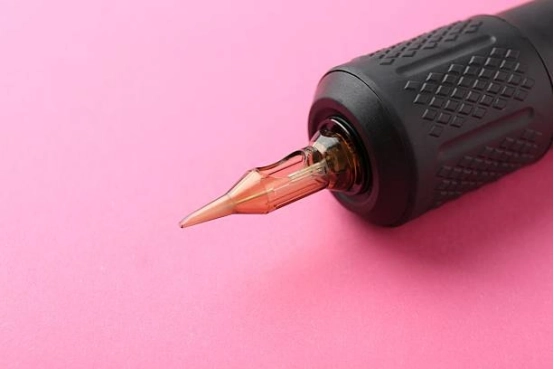
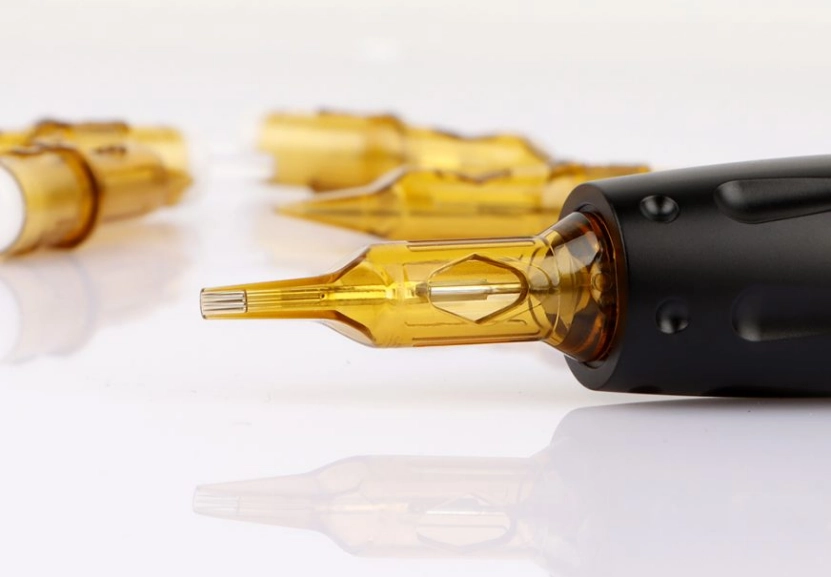
In contrast, cartridge needles integrate the needle and tube into a single-use plastic housing. This self-contained unit snaps directly into the grip. The shift from open-loop configurations to enclosed systems reflects modern hygiene standards, effectively isolating the needle from the environment until the moment of use. Manufacturers have also refined the internal contact points.
How Do Cartridge Systems Enhance Workflow Efficiency?
Efficiency in a modern studio is measured by the time spent actually tattooing versus the time spent on preparation. Cartridges have effectively “plug-and-play”ed the industry.
The Mechanics of Rapid Configuration Changes
In a traditional setup, if a piece required a switch from a 3RL for fine lines to a 15M1 for shading, the artist often had to set up two separate machines. Artists can switch between lining and shading groupings in seconds without adjusting multiple machines when using a cartridge-based system. This is a massive advantage during complex sessions. Furthermore, cartridges eliminate the need for repeated needle depth calibration during a session. Once the grip is set, every cartridge of the same brand usually sits at the same depth. Streamlined setups allow for more focus on artistic execution rather than mechanical maintenance, which keeps the creative flow uninterrupted.
Internal Tension and Stabilization Mechanisms
The way a needle stays centered is critical for precision. Integrated membrane technology provides consistent needle tension compared to traditional rubber bands. In the old days, you’d wrap a rubber band around the needle bar to keep it from wobbling; the tension was always variable and prone to snapping. Now, stabilizers within the cartridge housing prevent needle wobble, ensuring precise line work even at high speeds. Perhaps most importantly, high-quality membranes act as a fluid barrier, preventing pigment backflow into the machine motor. This protects the expensive rotary internals from cross-contamination and ink damage.
Performance Analysis: Precision and Saturation
Despite the convenience of cartridges, the “feel” of the hit remains a point of contention among veterans who grew up on coil machines and bar needles.
Comparing Needle Throw and Impact
There is a distinct difference in how the energy is transferred to the skin. Traditional needles offer a raw, direct hit preferred by some for heavy color packing. There is no membrane to soften the blow, so the motor’s power is delivered directly. Cartridges provide a dampened stroke that can be more forgiving on sensitive skin areas, as the internal tension system absorbs some of the initial impact. The choice between long taper and short taper configurations affects ink flow and skin trauma levels regardless of the delivery system, but cartridges make these variations easier to swap on the fly.
Ink Flow Dynamics in Enclosed Reservoirs
The physics of ink delivery changes when you enclose the needle. Cartridge tips are designed with reservoirs that hold more ink, reducing the frequency of dipping. The tip acts as a cup, holding a larger volume of pigment through surface tension. On the other hand, the vacuum effect in traditional tubes offers a different capillary action for pigment delivery, which some argue allows for a more controlled “flow” in specific styles. However, tip transparency in modern cartridges allows for better visibility of the needle and ink levels, a feature that traditional steel tubes simply cannot offer.
Why are Distributors Shifting Focus to Cartridge Technology?
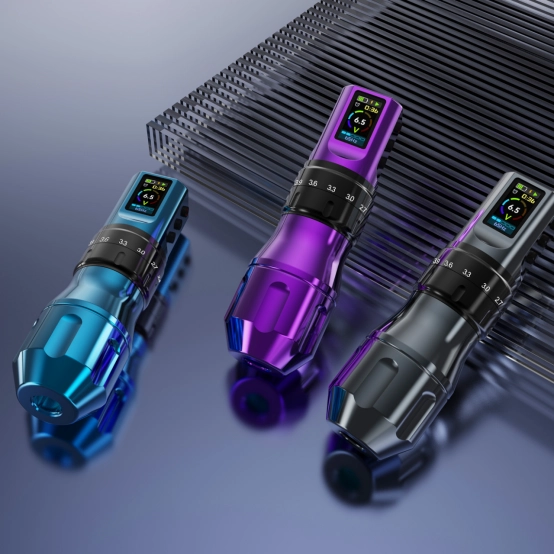
From a business and safety perspective, the industry is moving away from re-sterilizable equipment. Global health regulations increasingly favor disposable, sterilized components to minimize cross-contamination. It is simply easier to prove compliance when every needle comes in a blister pack. Market demand is driven by the rise of wireless rotary machines which are exclusively compatible with cartridges. You won’t find a wireless pen machine that takes a traditional needle bar.
Inventory management is simplified with standardized cartridge fitment across different machine brands. A shop doesn’t need ten different types of tubes and bars; they just need a few boxes of tattoo cartridge needles. Professional-grade suppliers like INKONE provide rigorous quality control that reduces defect rates for retailers, making the supply chain more predictable and reliable.
Addressing Common Concerns Regarding Cost and Compatibility
The primary argument against cartridges is usually the price point per unit. While traditional needles have a lower unit price, cartridges reduce labor time and sterilization overhead. When you factor in the cost of an autoclave, sterilization pouches, and the time spent scrubbing tubes, the price gap narrows significantly.
Universal “Cheyenne-style” docking systems ensure cartridges work across a vast range of rotary hardware, meaning an artist isn’t locked into a single brand of machine. Evaluating the long-term ROI of stocking premium cartridges versus budget traditional needles often reveals that the reduced risk of machine failure and the increase in daily “skin time” makes the cartridge the superior economic choice for a busy professional.
Ready to upgrade your tattoo setup with safer, more efficient, and precision-built cartridge technology? Materials used in INKONE cartridges prioritize medical-grade polymers to reduce friction, ensuring that the needle moves smoothly within the housing without shedding microscopic plastic particles into the ink.
Contact INKONE for premium tattoo cartridge needles built for today’s professional artists.
FAQ
Q: Are tattoo cartridge needles safer than traditional needles?
Yes, primarily because they are single-use and often feature a protective membrane that prevents ink and bodily fluids from entering the machine, reducing the risk of cross-contamination.
Q: Can I use cartridges with a coil machine?
Not directly. You would need a specific cartridge-compatible grip that allows the plunger bar to push the cartridge drive mechanism.
Q: Do all cartridges fit all machines?
Most modern cartridges use a universal twist-lock connection (often called the Cheyenne standard), but some proprietary systems exist. Always check the machine’s grip compatibility.
Q: Why do some artists still prefer traditional needles?
Some prefer the “hard” hit of a needle bar for specific styles like American Traditional or heavy blackwork, where they feel the direct drive provides better saturation.