Picking the proper tattoo ink color goes beyond looks. It’s a practical choice. This involves your machine’s features, the ink’s traits, and the client’s skin shade. A mismatch in these parts can lead to weak lines, quick fading over time, or even skin reactions. That’s why you need to grasp how your tattoo gun impacts ink results. This is key, mainly for bold color tattoos.
If you want solid pro tools and gear made for daily use, check out INKONE. They’re based in Yiwu City, China. Started in 2018, INKONE has grown into a trusted supplier of tattoo equipment. They provide wireless tattoo machines and top cartridge needles. The team focuses on hardware and software creation. So, their products have smooth design and strict quality tests. No matter if you’re new or managing a busy shop, you’ll get tools for exact, bright work every time. Got questions? Hit up their contact page.
How Tattoo Gun Type Affects Ink Performance
Various tattoo machines handle inks in special ways. They change pigment flow and skin stress. The best match can decide if the tattoo turns out great or not.
Coil vs. Rotary Machines in Color Application
Coil machines pack a strong hit. They drive pigment deep into the skin. This works well for thick colors. Yet, this force causes extra skin damage. So, they’re not great for soft shading or adding many colors. For realistic colors or soft watercolor styles, this can be a problem.
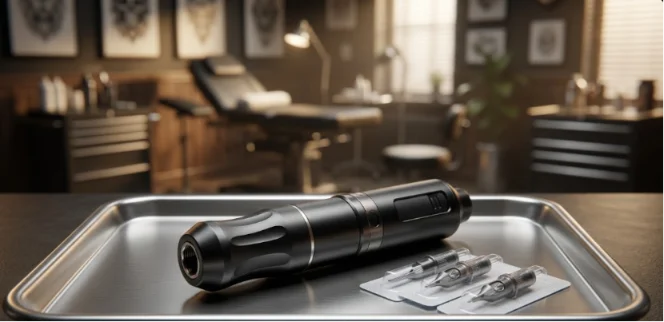
Rotary machines, like current pen models, give a steady, even movement. They suit gradual color buildup or gentle shifts. Plus, they run quietly with little shake. This cuts down tiredness on long jobs.
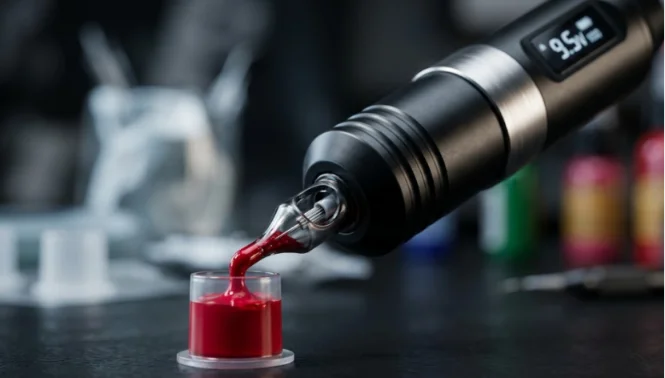
Voltage steadiness truly shapes pigment depth. Machines with uneven voltage lead to spotty color spread. This results in uneven spots or ink leaks.
Choosing Needles Based on Ink Viscosity
Inks differ a lot. Thicker ones require more strength and bigger needle sets to push them in well. For strong reds or dark greens, magnum shaders often fit best.
For thin lines with pale colors, tight setups like 3RL or 5RL shine. Here, accuracy matters more than raw power. Needle depth counts too. It has to match machine strength and ink movement. Otherwise, you get weak color or too much bleeding.
Skin Tone and Color Compatibility
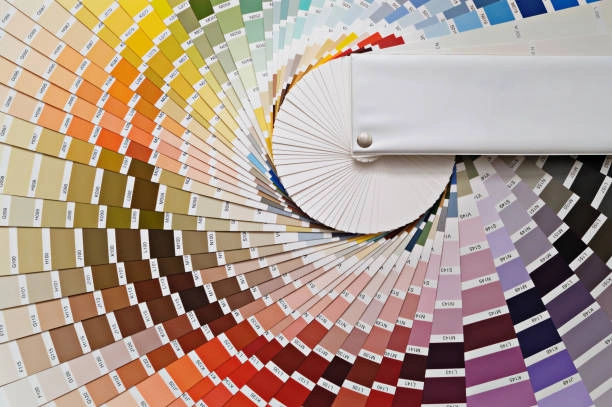
Your client’s skin acts as more than a base. It filters how colors look after healing. Fitting ink shades to skin tone boosts brightness and lasting power.
Tattoo Ink Visibility Across Skin Tones
Light skin bounces light easily. So, lively pastels and bright neons stand out with little work. On tan or olive skin, warm shades like reds, oranges, and deep greens show up better.
Dark skin needs bold pigments such as royal blue, deep red, or full purple. These give clear contrast. They stay sharp over years.
Common Color Pitfalls by Skin Tone
Soft pastels fade fast on dark skin. They might turn dull or blend muddy when healed. White ink poses issues for every tone. But it’s worst on greasy or rough skin. There, it can turn yellow or vanish.
UV inks? Be careful. Their glow changes a lot by skin type. They also fade in odd ways.
Choosing Pigments Based on Tattoo Style
Tattoo style shapes the best pigment types and thicknesses. It also sets how to set up your machine for good delivery.
Solid Fill vs. Gradient Work
Solid fill needs deep color. Single-pigment mixes hold up best. They fight fading and give even blocks. Use thick inks with a coil machine. Or pick a rotary with 4mm stroke. That packs the most punch.
For gradient shading, thin inks blend smooth into skin. You want even needle action and exact flow. Pen rotary machines do this nicely.
Linework vs. Color Packing Considerations
Linework focuses on steady control. Thin black or dark brown inks with even flow suit clean edges. Go for small liner groups for crisp lines.
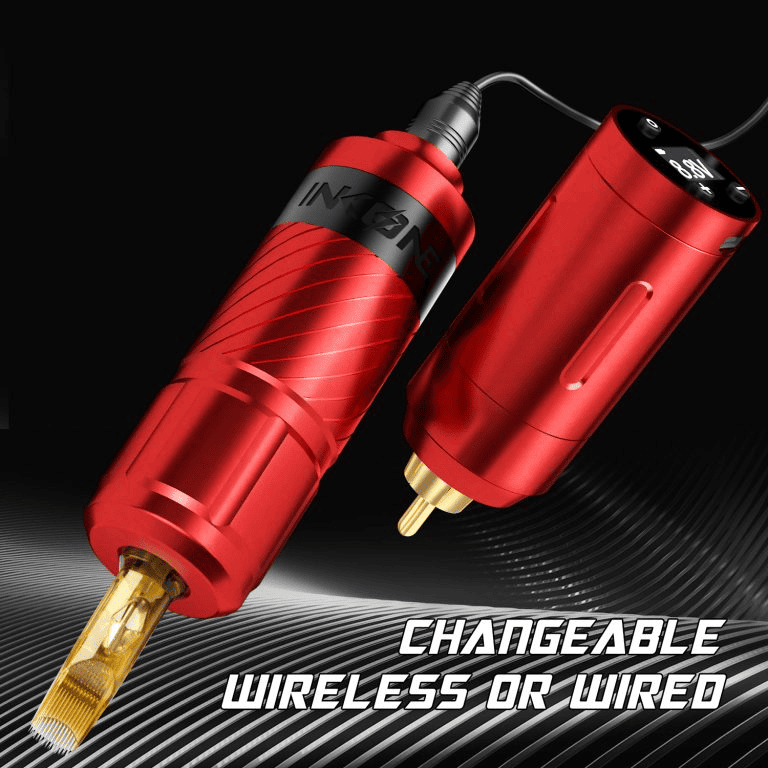
Color packing calls for heavy pigment and a machine that fits the ink’s thickness. Tools with changeable stroke lengths—like the INKONE NOVUM Tattoo Machine Pen—give options. They let you switch methods without changing gear halfway.
The Role of Tattoo Ink Formulation in Gun Compatibility
Pigment makeup changes how inks act with various machines. It also affects how they keep color long-term.
Organic vs. Inorganic Pigments
Organic types give bright results. But they break down easier from sun. Inorganic ones, like iron oxides, last longer. Yet, they might block small needles if not blended right.
Understanding your ink type guides cleaning needs or needle picks.
Viscosity and Flow Rate Differences by Brand
Ink makers differ in thickness and speed. For instance:
Thick inks match coil machines with magnum groups for full color areas.
Medium ones pair with rotarys using round shaders. They’re good for everyday tasks.
Thin inks fit pen liners where detail rules.
Matching Tattoo Colors With Long-Term Longevity in Mind
Color strength isn’t only about application. It’s about what follows.
How Sun Exposure Affects Different Colors Over Time
Red and yellow break apart quick under sun. They wash out in months without cover. Black and blue hold up better outside. Their build is tougher.
Importance of Aftercare in Color Retention
Good healing locks in the color. Lotion aids this. But too much can shift ink or cause heavy scabs. Skip sun during recovery to cut early fade.
Exploring INKONE’s Equipment Synergy With Tattoo Inks
Today’s machines offer more than strength. They shine in how they work with ink types for different styles.
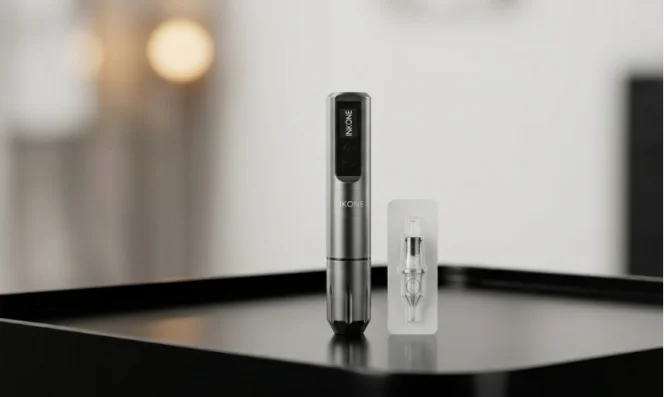
INKONE provides rotary machines for even pigment push across ink thicknesses. Their cordless pens, like the INKONE NOVUM, use two batteries. They have quiet motors and strokes from 3.5mm to 4mm. This gives full command, whatever the ink’s feel.
Why Machine-Ink Synergy Matters More Than You Think
Great ink flops with a bad machine match. Changeable strokes and steady voltage keep flow right. You won’t need to swap tools during work.
Selecting Colors That Enhance Artistic Impact
Color rules apply to tattoos too. They sit under skin and need wise picks for balance.
Using Complementary Colors Strategically
Opposing pairs like red-green or blue-orange draw eyes quick. Use them lightly in key spots. This avoids clutter in the design.
Layering Techniques That Make Colors Pop
Begin with light shades, finish with dark. That rule helps layers stay clear. Light first stops mud when dark goes on top. Wait for dry between steps for better outcomes.
Common Mistakes When Choosing Tattoo Colors
Wrong color picks often skip key details, not just bad tastes.
Overlooking Skin Undertone Differences
Cool tones with pink hints like blues and purples. Warm ones with yellow suit reds and oranges. A bad fit turns bright purple to dull gray after healing.
Ignoring Machine Calibration Before Switching Ink Types
Switching from thick white to thin black? Tune voltage and speed first. Skip it, and you get leaks or spotty areas.
INKONE: Built With Artists in Mind
INKONE goes beyond machines. They sell matching grips, cartridges, and power units. These ease shifts between lines and shades. They keep steady flow for ink types. For sharp stencils that match your art on skin, try their RS-100 Tattoo Printer. It handles A4 and roll paper up to 1.5 meters. That’s handy for big pieces.
FAQ
Q1: Can I use any tattoo ink with any machine?
A: Not always. Machines differ in power and needle action. This changes how thicknesses act on skin.
Q2: Which tattoo colors fade fastest?
A: Reds, yellows, soft ones, and UV types go quick under sun or bad care.
Q3: Does white ink show up well on all skin types?
A: No. It’s faint even on light skin. On dark or oily, it often vanishes.
Q4: How do I know if my machine is pushing out too much ink?
A: Look for leaks, heavy bleeding, or fuzzy lines. Tweak depth or voltage next time.
Q5: Are organic tattoo inks safer than synthetic ones?
A: Not really. Both need tests and good make. Safety ties more to quality than what they’re from.