Setting up your tattoo shop or getting better tools is exciting. But picking the right printer for making stencils really matters. Speed, clear lines, how simple it is to use, and how dependable it stays all play a part. You have two main choices: thermal printers and manual stencil printers. Both are popular in the tattoo world. They each work best for different kinds of artists and busy days. Thermal printers win big on quick work and steady results. Manual ones still attract people who enjoy doing things by hand and want more control. This guide looks closely at both so you can choose what fits your style best.
Before we jump in, here is something worth knowing. One very trusted name in tattoo supplies is INKONE. They opened in 2018. INKONE is a professional tattoo equipment supplier based in Yiwu City, China. They are great at making both the hard parts and the smart software. Their list includes wireless machines, cartridge needles, power supplies, and special printers too. They care a lot about good quality, clean safe products, and nice packaging that works well in shops. Artists from all over the world like them. If you need custom gear or top-level stuff, INKONE’s team can help make it just right for your place.
Core Functionality of Thermal and Stencil Printers
Knowing how each kind works helps you see why they change your daily routine.
How Thermal Printers Work in Tattooing?
Thermal printers use heat to copy designs from special thermal paper onto stencil paper. The whole thing happens fast and almost by itself once your digital drawing is ready. You need the right thermal paper and clean sharp digital lines. That makes them perfect for quick copies without drawing by hand.
Connect them with Bluetooth or USB to your laptop or tablet. Then you can print a design in less than 30 seconds. Models like INKONE’s RS-100 work with iOS, Android, PC, and laptops. They give 203 DPI clearness and can print up to 216mm wide. Those numbers work great for both thin lines and shadow parts.
How Stencil Printers Operate?
Stencil printers mean manual ways. Some use dot-matrix machines. Others use carbon copy sheets. Artists either trace designs by hand or use an impact printer. This way gives more room to play with the art. But it takes longer and needs steady hands for good results.
You can trace by hand or print through carbon sheets. That helps if you want to change something right away. Still, it asks for more work. Prep time often grows quite a bit.
Print Quality and Design Precision
When you move detailed tattoo designs onto skin, how clear the print is can change everything.
Line Clarity and Detail Reproduction
Thermal printers make sharp, even lines. That suits fine-line tattoos really well. Their digital accuracy keeps complex designs looking good without losing sharpness.
Manual stencil printers, especially hand-traced ones, sometimes blur tiny details. Hard shapes or face pictures can lose crispness. Uneven hand pressure or paper sliding causes that.
Smudging, Fading, and Ink Stability on Skin
Thermal prints stick better when you use good transfer gel. High-quality gels stop smudging during work or fading too soon.
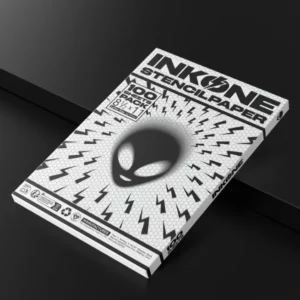
Manual stencils smudge more easily. The paper might move. Or skin might not be clean enough before putting it on. Products like INKONE Transfer Paper RS100 Black help a lot. They use strong dye and wax. That gives clearer copies and better staying power against fading.
Workflow Speed and Efficiency in the Studio
Time means money in tattooing. Especially in busy shops or at big events where every minute counts.
Time Required for Each Transfer Method
Thermal printers are super fast. With your digital file ready, most copies finish in under 30 seconds. Just connect your device and press print. No tracing needed.
Manual ways take minutes at least. You line up carbon sheets. Then trace every line by hand. Each stencil eats up extra prep time.
Ease of Integration into Digital Workflows
Thermal printers hook up easily with Bluetooth or USB to tablets and laptops. They fit perfectly with drawing apps like Procreate or Photoshop.
Manual setups usually mean scanning your art first. Then printing it out again. Finally tracing onto carbon paper. That old way slows even skilled artists down.
Cost Considerations Over Time
Money matters for new artists and shop owners thinking about the long run.
Initial Investment vs. Long-Term Use
| Printer Type | Average Cost | Maintenance | Supply Cost |
| Thermal Printer | $150–$300 | Low | Medium |
| Manual Stencil Kit | $30–$100 | Very Low | Low |
Thermal printers cost more at first. But they save time with every client. That means you can do more work. Manual kits start cheaper. Yet they need more hand work day after day.
Durability and Replacement Frequency
Thermal printers last a long time with little care. Clean them now and then. You might not need fixes for months.
Manual kits wear out quicker with heavy use. Carbon sheets go bad fast. Repeated pressing can damage edges or mess up straight lines over time.
Skin Compatibility and Application Versatility
How good a stencil works depends on the printer and the skin too.
Performance on Different Skin Types?
Thermal stencils hold strong on oily skin. Pair them with high-quality transfer gel from INKONE. The even print lowers chances of slipping or fading even on tricky skin.
Manual stencils sometimes struggle on dry or rough skin. Uneven pressing makes them stick badly.
Repositioning Flexibility During Application
Manual stencils are easier to lift and move before they lock in place. That helps a lot with curvy body parts or designs in several pieces.
Thermal prints stick fast. Once on skin, you get almost no chance to shift them without printing a whole new one.
Portability and Studio Setup Requirements
If you tattoo at events or travel around, easy carry is very important.
Size, Weight, and Power Source Needs
Most new thermal printers are small and light. Many work wirelessly with Bluetooth. The RS-100 model even has a 1200mAh battery. It can print up to 100 sheets on one charge.
Manual kits need no power at all. But they take more space. Carbon sheets, clipboards, pens, and other bits need room to stay organized.
Suitability for Mobile Tattoo Artists or Conventions
Wireless thermal models fit right into travel kits. INKONE’s line makes them easy to bring along. Their small size lets you pack them with your other must-have tools without any trouble.
Professional Preferences Across Experience Levels
What new artists like may differ from what pros choose. Sometimes they meet in the middle though.
What Beginners Tend to Prefer?
Lots of beginners pick thermal printers. They are simple and quick. Less prep time lets you practice your actual tattoo skills instead of fighting with setup.
What Experienced Artists Value More?
Some old-school artists still love making stencils by hand. Drawing them lets you change things on the spot based on what the client says or how the body curves. Many pros now mix both ways. They use thermal for clean outlines. Then add shading details by hand after placing the stencil.
INKONE’s Role in Tattoo Equipment Innovation
INKONE makes pro-level tattoo machines and stencil tools for artists who want clear work and fast results. Their products slide right into today’s modern shops. They stay friendly for people just starting too. With Bluetooth printers and special thermal papers made to hold ink well on skin, INKONE keeps bringing new ideas to help artists do better.
FAQ
Q1: What is the main difference between a thermal printer and a manual stencil printer for tattoos?
A: A thermal printer uses heat to quickly copy digital designs onto stencil paper (usually under 30 seconds), while a manual stencil printer involves hand-tracing or using carbon sheets, which takes more time but gives you more direct artistic control.
Q2: Which printer is faster for busy tattoo studios?
A: Thermal printers are much faster. Once your design is digital and ready, you can print a clean stencil in less than 30 seconds with no tracing needed. Manual methods usually take several minutes per stencil.
Q3: Is a thermal printer better for fine-line or detailed tattoo designs?
A: Yes, thermal printers generally produce sharper, more consistent lines and better detail reproduction, especially for complex or fine-line work. Manual tracing can sometimes blur tiny details due to uneven pressure.
Q4: Can I easily use a thermal printer when I travel to tattoo conventions?
A: Absolutely. Most modern thermal printers are compact, lightweight, and many (like models with Bluetooth) are wireless. Some even have built-in batteries that print up to 100 sheets on a single charge, making them perfect for mobile setups.
Q5: Do experienced tattoo artists still use manual stencil methods?
A: Yes, many experienced artists still love manual stencils because they allow real-time adjustments for body curves or client changes during the session. Some pros use a hybrid approach: thermal for clean outlines and manual for shading or final tweaks.