Every tattoo artist remembers their very first stencil. Some recall sitting at a desk with shaky hands, carefully tracing thin lines on fragile paper, hoping it wouldn’t smear. Others remember trying to fit the drawing just right on a client’s arm. A stencil is not just a sketch—it is the map that guides every single drop of ink.
In the past, most designs were prepared by hand. That worked fine but often took a long time. Now, thermal tattoo transfer paper is common in professional shops. It’s quicker, cleaner, and matches the speed of today’s fast-moving studios. Which one works better—hand-drawn stencils or thermal transfer? Let’s take a close look.
The Role of Stencils in Tattooing
A stencil isn’t a simple outline. It’s the starting point of the entire tattoo process. Without a proper stencil, even a skilled tattooist can struggle. Lines may slip, curves may look off, and proportions may end up uneven. Clients notice right away if the skin design doesn’t match the artwork they agreed on.
- Accuracy matters because the stencil is the blueprint.
- Consistency matters when a tattoo takes several sessions.
- Speed matters since it lets artists spend more time tattooing instead of preparing.
What Are Hand-Drawn Tattoo Stencils?
Hand-drawn stencils are made the old-fashioned way. The artist sits down with stencil paper and a pen or pencil and draws each line manually.
Strengths of Hand-Drawn Stencils
- Creative freedom: every curve is drawn by the artist’s own hand.
- No need for special machines—just paper, ink, and time.
- Perfect for small or unique tattoos, or spontaneous walk-in requests.
Weaknesses
- Takes a lot of time for large, detailed pieces.
- Mistakes can happen more easily, especially with proportion.
- Redrawing means lost time and wasted materials.
Think about a full sleeve or a back piece. Hand-drawing one stencil might take hours. It’s satisfying as an art form, but for a shop that has three clients waiting, those hours feel heavy.
What Is Thermal Tattoo Transfer Paper?
Thermal tattoo transfer paper is designed for efficiency. It works with a thermal copier or dot matrix printer. Heat reacts with the carbon layer in the paper, making the design appear clearly. That design is then transferred directly to the skin with transfer gel.
Key Features
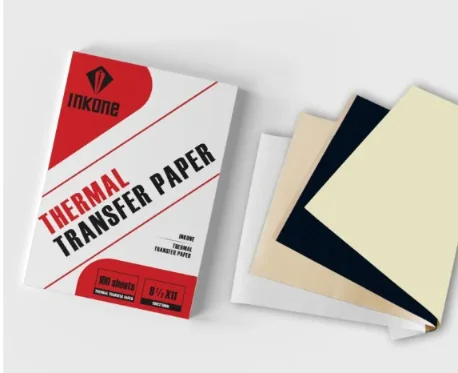
- Multiple sheets: a protective top, a dark carbon sheet, and a backing sheet.
- Compatible with thermal copiers and dot matrix printers.
- Produces clear outlines that don’t smudge easily.
With good tattoo transfer paper, a sleeve design that would take hours can be printed in just minutes.
Why Thermal Tattoo Transfer Paper Saves Time
This is where thermal paper makes a difference.
Faster Prep
A detailed dragon back piece might take 2–3 hours to prepare by hand. With tattoo transfer paper and a thermal copier, it can be ready in about 10 minutes.
Consistency Across Sessions
Many tattoos require multiple sittings. With thermal transfer paper, you can print the exact same stencil again and again, making alignment easier.
Reduced Errors
Because the stencil comes directly from the digital file, the chances of proportion mistakes are lower. Clients also feel more secure knowing the stencil matches the drawing they approved.
Thermal vs. Hand-Drawn: Accuracy and Clarity
Hand-drawn stencils reflect an artist’s personal touch, but thermal transfer is hard to beat when it comes to precision.
- Hand-drawn: Lines may look light, uneven, or smudge during application.
- Thermal: Bold, sharp outlines that hold up even during long tattoo sessions.
One artist who specialized in mandala designs shared that they often had to redraw the same stencil several times. After switching to tattoo transfer paper, they cut preparation time dramatically and had fewer headaches.
Cost and Efficiency in Tattoo Studios
For many shops, time saved equals more income. That’s why thermal tattoo transfer paper is becoming standard.
| Factor | Hand-Drawn Stencils | Thermal Transfer Paper |
|---|---|---|
| Prep Time | 30–120 min | 5–15 min |
| Accuracy | Can vary | High, consistent |
| Repeatability | Hard to copy | Easy to reprint |
| Cost per Sheet | Low | Moderate |
| Studio Efficiency | Slower pace | Faster, more scalable |
Although tattoo transfer paper costs more per sheet, the time and energy it saves often outweigh that cost.
When Should Artists Still Hand-Draw?
It’s not an all-or-nothing choice. Both methods have a place in a modern tattoo shop.
Hand-drawn works best for:
- Freehand lettering
- Tiny or personal designs
- Quick sketches for walk-ins
Thermal is ideal for:
- Large or symmetrical tattoos
- Portraits, geometric designs, or complex detail
- Multi-session tattoos needing repeat stencils
The truth is simple: hand-drawing will never disappear, but thermal tattoo transfer paper makes many jobs easier.
Choosing the Right Tattoo Transfer Paper
Not every paper performs the same. Low-grade sheets can fade quickly, tear easily, or produce weak outlines. Professional artists usually look for:
- A4 size (8 1/4″ x 11 3/4″) for flexible use.
- Strong absorption to hold design clearly.
- Lasting durability on skin for long sessions.
- Smooth use with thermal copiers and printers.
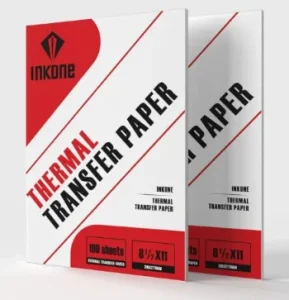
INKONE offers tattoo transfer paper that meets these expectations. The company is known for producing reliable, professional supplies that keep up with the daily demands of working tattooists. Artists who use INKONE’s paper save time while keeping designs crisp and accurate.
Behind INKONE is Yiwu Yinke Electric Tools Co., Ltd., a company with years of experience in tattoo equipment and accessories. Based in China, they produce machines, printers, and tattoo transfer paper that professionals count on every day. Their focus is simple: make gear that works reliably in real studios. Many artists appreciate that their products are designed with practical details in mind, not just theory.
Conclusion
Hand-drawn stencils carry tradition, and they’re perfect for certain moments. But in busy studios where time is short and designs are complex, thermal tattoo transfer paper is a real game changer. It saves hours of prep, reduces errors, and creates cleaner results.
For artists, the choice isn’t about abandoning hand-drawing—it’s about using the right tool for the right job. And when tattoo transfer paper comes from a trusted brand like INKONE, you know it’s built with professionals in mind.
FAQs
Q1: How much time can tattoo transfer paper really save?
A stencil that might take an hour by hand can be ready in 10 minutes with thermal paper. Over a week, that means several extra hours available for actual tattooing.
Q2: Can beginners use tattoo transfer paper easily?
Yes. As long as you have a thermal copier or printer, the process is simple. Many apprentices use it to avoid common drawing errors.
Q3: How long does a stencil from tattoo transfer paper last on skin?
Usually several hours, long enough for most tattoo sessions. Prepping the skin properly helps keep the stencil visible.
Q4: Is tattoo transfer paper safe for sensitive skin?
Professional tattoo transfer paper is non-toxic and safe. Pairing it with a good stencil gel reduces irritation even further.
Q5: What size of tattoo transfer paper do most professionals use?
Most shops prefer A4 sheets. They are large enough for big designs but still work for smaller tattoos.