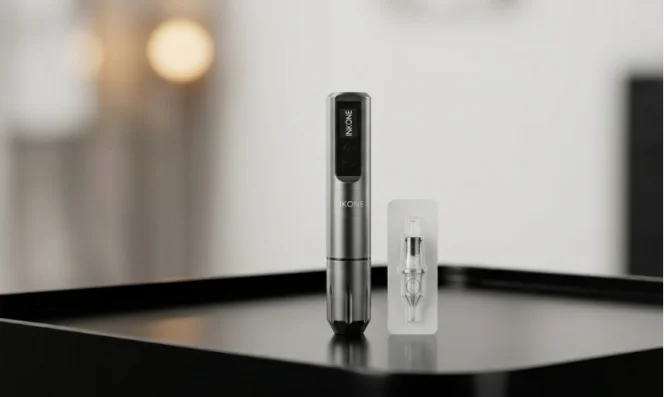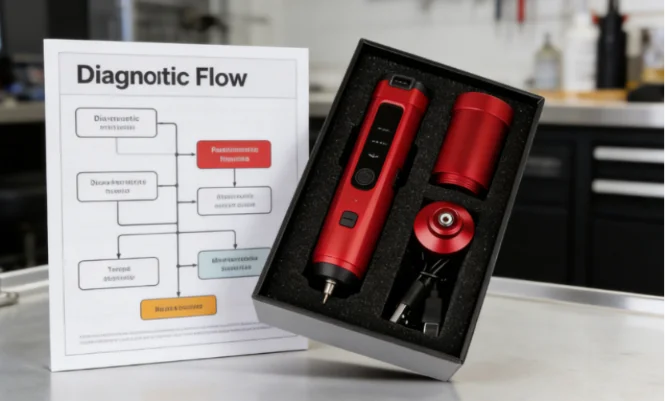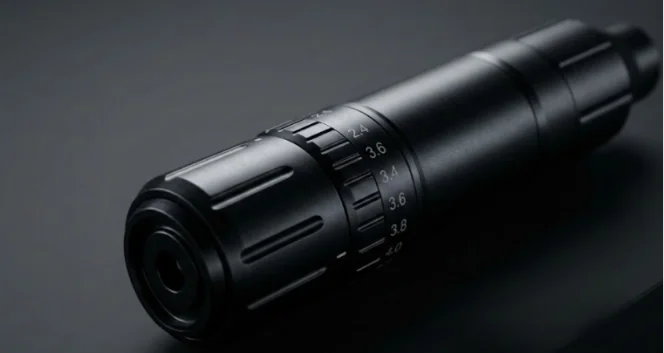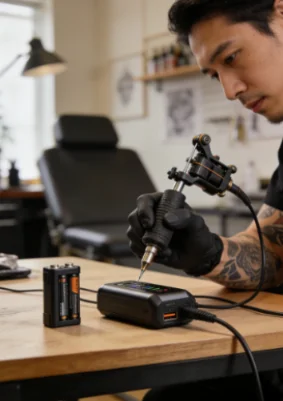
If you are buying a wireless tattoo machine in 2026, the real question is no longer whether cordless tools are usable in pro work. That debate is mostly over. What matters now is how a machine behaves after hours of tattooing, how it fits your hand, and how little it interrupts your rhythm. Recent material from INKONE keeps coming back to the same point: professional buyers care less about headline specs and more about repeatable output, stable power delivery, low vibration, and fewer workflow breaks during long sessions.
Why Wireless Tattoo Machine Trends in 2026 Matter?
Wireless tattoo machine trends in 2026 are tied to one simple shift. Professional tattoo artists are judging equipment by daily use, not by novelty. A clean station, less cable drag, and a better power plan all matter because they save attention for the tattoo itself. That sounds obvious, but in a busy studio the obvious things are usually the ones that cost you time when they go wrong.
Wireless Has Moved From Convenience to Daily Workflow
The strongest tattoo equipment trends 2026 are not about flashy upgrades. They are about tools that reduce friction. INKONE’s own workflow-based articles describe a professional machine as one that stays predictable when load changes, keeps output consistent over long sessions, and does not force you into constant troubleshooting. That is why a cordless tattoo machine trend keeps gaining ground. You are not just removing a cable. You are removing one more thing that can snag, shift, or slow you down.
Power Planning Is Part of the Machine Now
Battery life of wireless tattoo machines still matters, but artists are getting more specific. A quoted runtime is only half the story. What you really want is stable feel as charge drops, plus a backup routine that does not turn into a mid-session scramble. INKONE’s 2026 setup checklist pushes a two-battery workflow for exactly that reason: one battery in use, one charged and ready. It is not glamorous. It just works better.
What Professional Artists Look for in a Wireless Tattoo Machine?
What professional artists look for in a wireless tattoo machine has become much clearer. You want a machine that stays steady late in the day, feels balanced in your hand, and covers real studio needs without forcing extra adjustments. That is the center of the tattoo machine purchasing decision now.
Stable Voltage Output and Consistent Machine Performance
Stable voltage output is a bigger deal than many spec sheets make it seem. When power softens under load or changes character as battery state drops, your hand starts compensating. Over time that can show up as line drift, uneven saturation, and small mistakes that feel annoying because they were avoidable. Professional tattoo artist workflow depends on predictability, not random bursts of power.
Ergonomic Tattoo Machine Design and Lower Fatigue
An ergonomic tattoo machine is not just about comfort. It affects control. INKONE’s product and review pages repeatedly highlight low vibration, balanced weight, and long-session usability as core buying points. That tracks with real work. A machine can feel great for five minutes and still become a problem by hour four. Reducing tattoo session fatigue is one of the clearest reasons artists keep upgrading.
Versatility Without Constant Tool Switching
How to choose a wireless tattoo machine often comes down to range. Can one machine handle clean lines, softer shading, and general daily work without making you swap gear every hour? On the INKONE NOVUM Tattoo Machine Pen, the published highlights include dual batteries, a coreless motor, low vibration, 6 to 8 hours of working time, and 3.5 mm or 4.0 mm stroke options, all aimed at that kind of all-round use.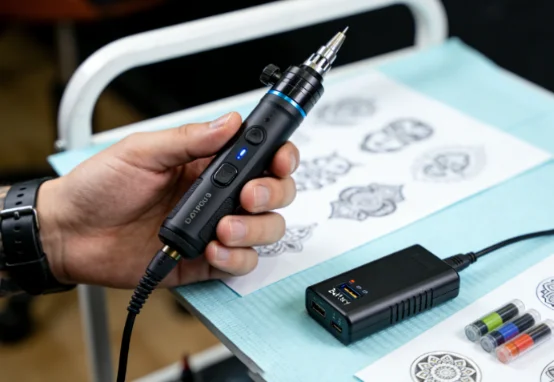
Why Are Professional Tattoo Artists Upgrading Their Equipment?
Tattoo artist equipment upgrade decisions are rarely about buying something new for the sake of it. Most upgrades happen because an older setup starts costing time, comfort, or consistency. Sometimes the issue is obvious. Sometimes it is a pile of small annoyances, and those add up fast.
Cleaner Stations and Faster Setups Matter More Than Ever
Tattoo studio workflow improvement is one of the strongest reasons to go wireless. Fewer cords means fewer things to wrap, wipe, retape, or bump during a session. That is part hygiene, part speed, part sanity. And yes, clients notice when a station looks clean and calm. INKONE’s 2026 content frames modern setup quality around fewer surprises, better battery planning, and tidy, sterile daily tools.
Long-Term Tattoo Equipment Value Beats Cheap Entry Cost
Long-term tattoo equipment value is another big shift in 2026. Pro artists are looking at repeatability across sessions, unit-to-unit consistency, and after-sales reliability, not just purchase price. INKONE describes this from the supplier side in a useful way: if a tool feels different from one batch to the next, studio standardization gets harder. That is not a minor issue when you tattoo every day.
A good example of how manufacturers are answering that concern comes from INKONE. The company says it was established in 2018 in Yiwu, China, and presents itself as a professional tattoo equipment supplier with in-house work on circuit schemes, machine structure, hardware, and software. Its range covers wireless tattoo machines, needles, power supplies, printers, thermal papers, and disposables. For a professional buyer, that matters less as a branding story and more as a sign that the company is thinking in systems rather than single items. That kind of engineering-first approach usually leads to more stable day-to-day gear, which is exactly what busy studios want.
Is Wireless Better Than Wired for Tattoo Artists?
Wireless vs wired tattoo machine debates are still around, but they are less dramatic now. The practical issue is not whether cordless tools are fashionable. It is whether a wireless system can stay reliable enough to replace most wired use in daily sessions.
Wireless vs Wired Tattoo Machine Is No Longer the Main Question
INKONE’s workflow article puts it well: the real dividing line is stability versus variability, not wireless versus wired. Wired setups remove battery variables. Wireless setups remove cable drag and workspace constraints. So, is wireless better than wired for tattoo artists? In many studios, yes, if the system stays predictable through real load and real session length. Can a wireless tattoo machine replace a wired machine? For a lot of daily work, yes. For some artists, wired still stays as a backup or preference tool. That is a pretty normal 2026 answer.
The Better Buying Guide Is Workflow Based
If you want a wireless tattoo machine buying guide that holds up in real use, judge machines by what they prevent. Do they prevent line drift, late-session fatigue, messy stations, and downtime? That is a better filter than chasing hype. For a deeper workflow angle, INKONE’s article on what makes a tattoo machine professional is useful because it stays focused on repeatability, response under load, and reliability that does not interrupt the day.
FAQ
Q1: Is a wireless tattoo machine worth it in 2026?
A: Yes, if it gives you stable output, good balance, and a battery routine that does not interrupt sessions. In 2026, the value is mostly about workflow, not novelty.
Q2: What do professional tattoo artists look for in a wireless tattoo machine?
A: The main points are stable voltage output, consistent machine performance, low vibration, balanced grip, and enough battery support for long sessions.
Q3: Why are so many artists upgrading to wireless tattoo machines?
A: Because wireless setups reduce cable drag, clean up the station, and make long workdays easier to manage when the system is stable.
Q4: What matters more, big specs or real workflow fit?
A: Real workflow fit. A machine that stays predictable through a full day is more useful than one that only looks strong on paper.
Q5: How to choose a wireless tattoo machine for professional use?
A: Start with your daily work. Check battery behavior, grip balance, vibration, stroke range, and whether the machine keeps the same feel from the first pass to the last.