A working day in the studio often starts with one quiet choice: which machine goes on your tray. Wireless pens sit ready with no cables, while classic wired setups still wait beside the power supply. Both options can carry a full day of work, and both have loyal fans, which makes the decision less simple than it looks at first glance.
You see more posts, more reviews, and long lists of wireless tattoo machine pros and cons, yet the real question stays the same: which setup fits your style, your sessions, and your clients. This guide walks through how each type works, where they shine, and where they fall short. By the end, you can judge which option feels closer to the best wireless tattoo machine for beginners and which setup suits long daily work on real skin, not just in theory.
What Is a Wireless Tattoo Machine?
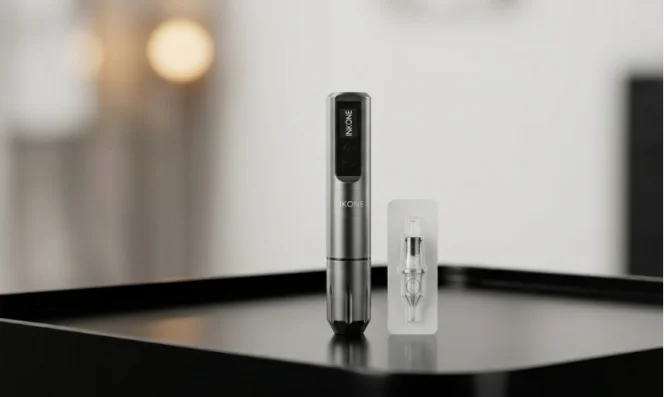
A wireless tattoo machine packs the motor, battery, and control system into a single body. You do not need a separate power supply or clip cord. You just set your voltage, check the battery level, and start your line work or shading.
Most wireless pens run on a lithium battery with a control board that keeps the output close to your target voltage. That stability matters. When the voltage drops too fast, your needle hits softer, lines get weaker, and packing color becomes harder. A solid circuit design helps the machine keep a steady hit even as the battery drains.
Core Structure and Power System
Inside a wireless pen, you usually find a compact motor, a small PCB, a battery module, and simple buttons or a screen. You adjust voltage on the top or side instead of on a big power box.
For you, this means less gear on the table. No cable snagging your glove, no foot pedal if you prefer button control. Many artists say their setup time drops to a few minutes, which is one quiet benefit you only notice after a busy day.
Typical Use Cases for Wireless Machines
Wireless machines shine when you need a clean, flexible setup. If you work in a small studio, share a station, or travel for guest spots, a wireless pen cuts down the gear in your bag.
A lot of beginners also feel safer with one simple unit. You focus on needle depth, stretch, and movement instead of worrying about tangling cables. For this reason, many people search for the best wireless tattoo machine for beginners when they buy their first serious tool.
What Is a Wired Tattoo Machine?
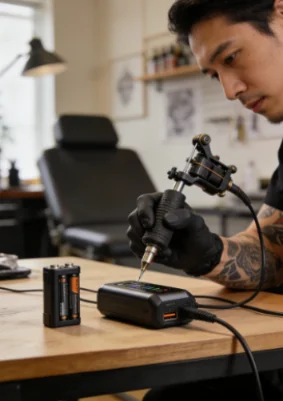
A wired tattoo machine uses an external power supply, cable, and sometimes a foot pedal. The machine itself can be lighter, because the power system sits on the table. You set your voltage on the box and rely on a constant flow of power from the wall.
This setup has been the studio standard for years. There is a reason. Many wired machines can run hour after hour with very stable output, which is a big deal for large back pieces or all day sessions.
How Wired Power Supply Works
You plug the power supply into the wall, connect the cable to the machine, and set your voltage. The box keeps a fixed output, so the hit strength does not fade with time.
This constant feed makes wired machines very predictable. Once you find a sweet spot for lining, you can return to that number for each session. Some artists like this almost “old school” sense of control.
When Wired Machines Still Shine
If you often work on big color pieces, large blackwork, or heavy shading, a wired machine still feels very safe. Long sessions with minimal breaks demand a setup that does not care about battery life or charge time.
Wired machines also make sense if you already own a high quality power supply and like the feel of a lighter handpiece with a cable behind it.
Wireless vs Wired Tattoo Machine Pros and Cons
You can look at wireless tattoo machine pros and cons in a simple way: one trades cables for batteries, the other trades batteries for infinite runtime. Both choices have side effects on your daily work.
Power Stability and Session Length
Wired power tends to stay rock solid during long sessions. As long as the power supply works, the hit remains the same.
Wireless output depends on the quality of the battery and the circuit. A good design keeps the voltage stable for most of the charge. A weak design feels soft as the battery runs low. If you plan long sessions with a wireless pen, spare batteries are almost a must.
Mobility and Workspace Setup
Wireless machines win here. You move around the client freely, change your chair angle, and keep the station clean. No cable loops near fresh ink or wrapped bottles. Traveling artists also like that a wireless pen fits into a small case.
Wired setups can clutter the area with a power box, cables, and pedal. It is not impossible to keep it tidy, but you need more tape and more habit.
Weight, Balance, and Fatigue
A wired machine body can stay light and slim because the battery lives on the table. A wireless pen carries its own energy, so weight sits closer to your hand.
A well balanced wireless pen still feels fine for lining and shading. A poor balance can tire your wrist by the end of the day. When you compare models, think about where the center of gravity sits, not just the total grams.
Cost and Maintenance
A simple wired machine plus power supply can be cheaper at first. Cables are easy to replace. The box can last for years if you treat it well.
Wireless machines often cost more per unit, and batteries have a life span. At the same time, you save money on power boxes, extra cables, and sometimes on studio space. When you weigh wireless tattoo machine pros and cons, put long term cost on your list, not just the price tag today.
Pros And Cons Summary Table
Below is a quick view of how both types compare in daily work. It is not perfect, but it helps you check your own needs against what each setup offers.
| Type | Main Pros | Main Cons |
|---|---|---|
| Wireless Tattoo Machine | High mobility, clean setup, great for travel and small studios | Heavier body, limited battery life, needs spare batteries |
| Wired Tattoo Machine | Very stable power, lighter handpiece, ideal for long sessions | Cable drag, more gear on the table, less flexible movement |
How to Choose the Best Machine for Daily Work
You rarely find one perfect answer for everyone. The best wireless tattoo machine for beginners may not suit a veteran who works large color sleeves all week. Think about your real schedule and the type of work you do most.
For Beginners
If you are still building hand control, a wireless pen keeps your setup simple. No cable pulling at your wrist means you can focus on stretch, angle, and needle depth. Many people feel more relaxed with less gear around the client.
For this stage, the best wireless tattoo machine for beginners is not just the most expensive one, but the one with stable output, clear controls, and a shape that feels natural in your hand.
For Professional Artists
If you run full days and often work on large projects, a wired machine with a proven power supply is still very safe. You can also run a mixed setup: wired machine for long blocks of color, wireless pen for fine lines, touch ups, or quick walk in pieces.
The key is to match the tool to the job. Think about how often you move around the client, how long your average session runs, and how much table space you have.
For Travel and Conventions
When you travel for guest work, flying with a full wired setup can be annoying. Wireless pens pack small, set up fast, and reduce the risk of damaged cables in transit.
In crowded events, fewer wires on the floor also mean fewer accidents. It sounds minor until someone trips on a cable near fresh work.
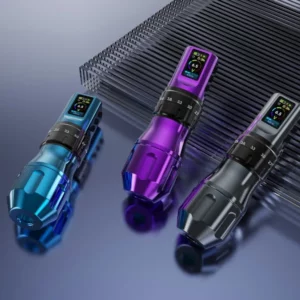
Key Features to Check Before You Buy
No matter which side you lean toward, certain features matter more than others.
Motor, Stroke, and Performance
Look at the motor strength and stroke length. These two factors shape how well the machine pushes lines, color, and smooth shading. If you do fine line work, shorter stroke suits you. If you pack a lot of color, a longer stroke and strong motor help.
Battery, Voltage, and Control
For wireless machines, study the battery capacity and how the control system manages voltage. Clear display, easy buttons, and predictable steps between voltage values save time. When people talk about the best wireless tattoo machine, they often praise stable voltage more than raw power.
About INKONE Wireless Tattoo Machines
INKONE is a professional tattoo equipment supplier from Yiwu, China, focused on reliable machines for real daily work. The team behind INKONE has deep experience in circuit design, machine structures, and both software and hardware, so the power system and the body of the machine grow together instead of as separate parts.
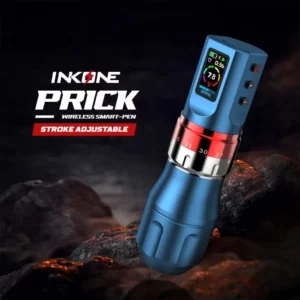
INKONE offers wireless tattoo machines, cartridge needles, power supplies, and disposable tattoo products that match modern studio needs. Every step from production to quality inspection, packing, and delivery follows strict control, so you receive gear that feels clean, solid, and ready for work. INKONE tattoo machine series are neat and presentable, which helps you keep a professional image in front of clients while you focus on consistent lines and smooth shading.
FAQ
Q1: Are wireless tattoo machines strong enough for real daily work?
A: Yes, many wireless machines today have motors and power systems that handle lining, shading, and color packing. You just need to pick a model with stable voltage and a decent battery instead of a random cheap option.
Q2: What is the main downside of a wireless tattoo machine?
A: The big drawback is battery life. When the battery drops, the hit can feel softer. Keeping spare batteries ready solves most of this, but it is still part of the wireless tattoo machine pros and cons you need to think about.
Q3: Is a wired tattoo machine always better for long sessions?
A: For very long sessions, a wired setup still feels safer because the power comes from the wall, not a battery. That said, a good wireless pen with extra batteries can also cover a full day if you plan your charging routine.
Q4: Which is easier for a beginner to learn, wireless or wired?
A: Most beginners find wireless models easier because there is less gear and no cable pulling on the hand. That is why many people search for the best wireless tattoo machine for beginners when they set up their first station.
Q5: How do you decide between wireless and wired if you like both?
A: Think about your week. If you travel, work in a small space, or do many short pieces, a wireless machine helps more. If you stay in one studio and do long projects, a wired machine still feels very safe. Some artists keep both and switch depending on the job, which is a simple way to balance the wireless tattoo machine pros and cons in real life.