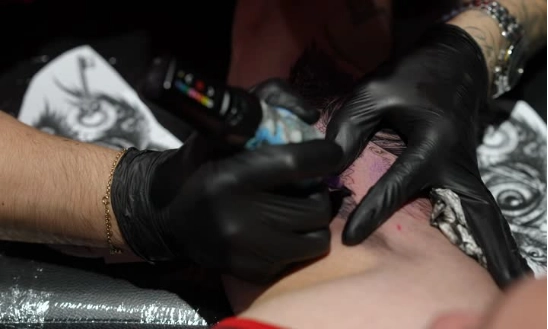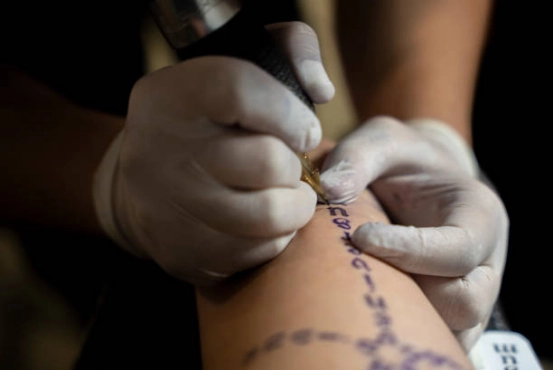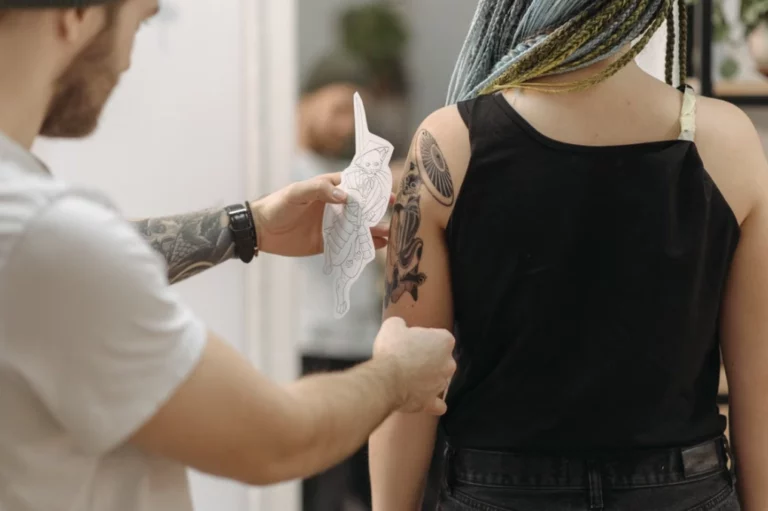
Before your machine touches the skin, the stencil sets the stage for the whole tattoo. A poor transfer might twist thin lines or vanish partway through the job. Picking the best tattoo transfer paper in 2026 involves thinking about quickness, accuracy, and safety for skin. This holds true whether you use thermal printers or draw by hand.
If you need solid stencil supplies, check out INKONE TATTOO BRAND. It started in 2018 and sits in Yiwu, China. INKONE serves as a solid supplier of tattoo gear. They offer wireless machines, thermal paper, and basic studio items. The team has good experience. They also have strong skills in research and development. The owner knows a lot about circuit plans and machine builds. They handle software and hardware on their own. Their focus on careful making and packing helps them become a top choice for artists. These artists want clean, pro-level tools. You can see their main site here. Or look at their about page for more details.
Key Types of Tattoo Transfer Paper in 2026
Not every stencil paper works the same. Your pick affects how the design appears on skin. It also changes how long it stays and if it fits your tools. Let’s look at the main kinds.
Thermal Transfer Paper
This type focuses on quick work. If you run a busy studio or see many clients each day, thermal transfer paper gives steady results and fast output. It pairs with special thermal printers. These printers use heat to wake up the carbon part. That creates clear edges in moments. The trick is matching a printer to your sheets. You also need to set the right heat level.
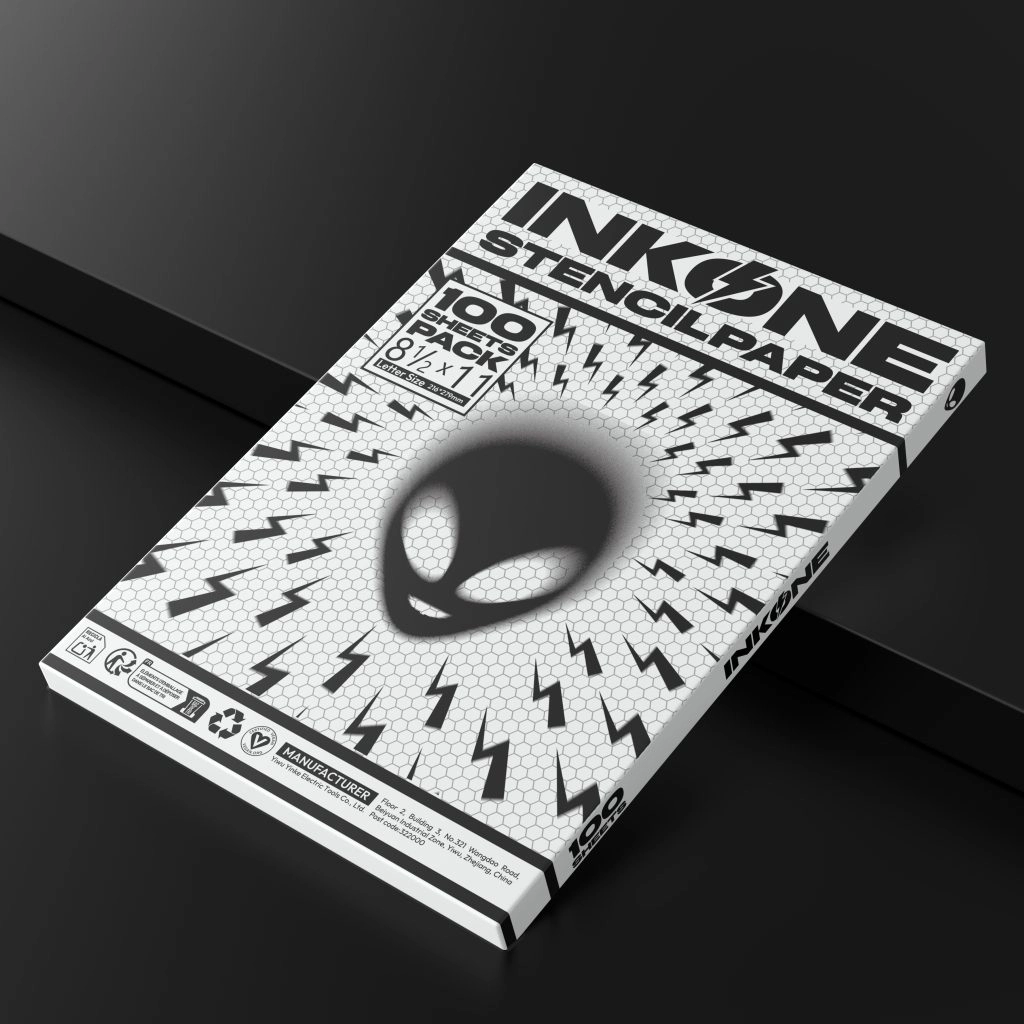
Lots of studios use four-layer thermal sheets. These include a main sheet, guard tissue, carbon layer, and yellow back sheet. For instance, the INKONE Transfer Paper RS100 Black relies on good dye and wax paper. It makes smooth transfers that hold up well. The setup has four parts: transfer sheet, protective tissue, blue carbon sheet, and yellow backing sheet.
Freehand Transfer Paper
At times, drawing right on the skin gives you more say. This works best for unique or tailored tattoos. Freehand transfer paper reacts to pressure. It does not need heat to move the design. Grab it with pens or stencil markers to draw lines by hand.
These sheets often lack the coatings made for printers in thermal paper. With fewer layers, they feel simpler to use. You can sketch fast or change things during a session.
Hectograph (Carbon Copy) Paper
Many new learners or tight-budget spots still like hectograph paper. It uses hand pressure to shift designs. Picture old carbon copies: you draw on top, and it copies below.
It’s cheap, but not as reliable as thermal or freehand ways. Lines can smear if you press unevenly. They also wash off quicker on skin. You need to seal them right to make them last.
Important Features to Compare Before Buying
Your stencil paper choice shapes how clear things are when placing it. It also affects how true the lines stay while working. Here are the main points to check when looking at brands or styles.
Stencil Clarity and Line Sharpness
Find sheets that keep lines neat and slim without spreading. Thin top layers aid detailed jobs. This shines in realistic or shape-based tattoos. Resistance to smudges matters too. If the stencil rubs away in the middle of work, it costs time and trust.
Thermal options like the RS100 Black suit both outline and shade transfers. That’s key for black-and-grey tattoos. They need tone hints.
Skin Compatibility and Sensitivity
Low-cost papers sometimes have rough chemicals. These can bother skin, mainly for folks with touchy areas. If that’s an issue in your place, pick gentle choices. They cost a bit more, but they’re worth it.
Test any new paper on your own skin first. This avoids surprises with clients.
Sheet Structure and Layer Count
Most stencil papers have three or four layers. There’s a white top for the design, a carbon part with ink, a guard or tissue layer, and a colored base. Thermal ones usually have all four. Freehand types might drop the tissue for ease.
Extra layers stop unwanted copies in setup. But they can make paper thicker in old machines.
Matching Paper Type to Your Workflow
The top tattoo transfer paper goes beyond just cost. It fits how you work each day.
For Artists Using Thermal Printers Daily?
If you value speed, get thermal paper. Yet some brands don’t handle heat well. Choose ones that avoid curling or streaking after print. Too-thick sheets might clog old printers. This happens a lot with packed schedules.
A steady pick like RS100 Black works great. Run it in a thermal setup or by hand with gel. It handles both paths without trouble.
For Custom Linework and Complex Designs?
For on-the-spot changes or detailed hand work—like flower arms or special writing—carbon freehand papers offer full grip. They let you vary pressure for shade tips. No digital tools needed.
For Apprentices or Budget-Conscious Setups?
Hand methods like hectograph paper ease you into stencils. They skip gear needs. That’s perfect for fake skin practice or early steps. But on real skin, they don’t last long. Pair them with good primer or seal to help.
What’s New in the 2026 Tattoo Transfer Market?
Tech keeps moving ahead. Stencil tools follow suit.
Eco-Friendly Options Are Growing Fast
More studios care about the planet now. So green stencil stuff sees rising interest. New papers use plant dyes over oil-based ones. They run pricier per sheet. Still, they draw clients who think green.
If your shop pushes eco values, keep these on hand. It sends a clear message.
Cross-Compatible Papers Gain Popularity
Some mixed papers now fit thermal print and hand draw. That’s handy if you switch often in a week. INKONE stepped into this with items like RS100 Black. It’s built to work with thermal gear and hand marks. Quality stays high either way.
This pairs well with flexible tools like the INKONE PRICK WIRELESS MACHINE PEN. It has seven stroke options from 2.4mm to 4.2mm. The light aluminum frame cuts tiredness. Its screen gives easy control. It suits jobs needing exact line tracking.
Common Mistakes When Using Stencil Paper
Even top transfer paper flops without right steps. Simple errors can wreck a good plan.
Applying Stencils Without Prepping Skin Properly
Clean and dry skin comes first every time. Use stencil primer, not just soap or water. Wait till it feels a tad sticky. Then put on the design.
Using the Wrong Side of the Paper?
It seems basic, but rush makes mistakes. Check the carbon side before printer feed or hand draw.
Storing Sheets in Humid Environments
Moist air bends sheets over time. It leads to early fade or bad copies. Keep them flat in closed boxes. Stay away from water spots or warm shop areas.
When It Makes Sense to Spend More
For exact tattoos—like real-life pics or fine dots—a sharp stencil is a must, not extra.
Paying extra for better sheets from INKONE cuts redo work in sessions. It saves time on fuzzy fixes. Their papers use fine dye and wax. They shift hand-drawn pics and shapes clearly and safely to skin.
If you use pro tools like their wireless machine pen, match with strong stencil stuff. It boosts your results.
Quick Comparison Table: Popular Transfer Paper Types
| Type | Use Case | Pros | Cons |
| Thermal | High-volume shops | Fast, sharp lines | Requires printer |
| Freehand | Custom sketches | Total control | Slower process |
| Hectograph | Budget setups | No equipment needed | Less durable stencils |
| Hybrid | Mixed workflows | Flexible usage | May not excel at either |
FAQ
Q1: Can I use thermal transfer paper without a machine?
A: No, thermal papers rely on heat activation to transfer ink. Use freehand or hectograph options instead.
Q2: Why does my stencil wipe off so easily?
A: It’s likely due to poor skin prep or using low-grade paper that doesn’t bind well with primer.
Q3: Do all printers work with tattoo stencil paper?
A: No. Only specific thermal printers designed for tattoo use are compatible—office printers won’t work.
Q4: How long can I store unused transfer sheets?
A: Up to 12 months if stored flat in a cool, dry place away from direct light and moisture.
Q5: Is it okay to cut large sheets into smaller sizes?
A: Yes—just avoid damaging the carbon layer when trimming to preserve clean transfers.