You just walked out of the studio. Your fresh ink is wrapped up and looks perfect. But after a few days, things seem wrong. The lines look fuzzy. The sharp design you loved now seems a bit blurry. Before you blame the artist or jump to bad thoughts, think about this. It might not be their doing at all. What you see could be normal healing. Or it might be a tattoo blowout in some cases.
Before we get into reasons and fixes, remember that tools matter a lot in stopping problems like smudging. If you work in tattoos or want to grow your shop, check out pro tools from INKONE. They started in 2018 in Yiwu, China. INKONE has built a good name for making careful tattoo machines and gear. They have a strong team for operations and skills in hardware and software. You can find many items like wireless tattoo pens, thermal printers, needles, and one-time supplies. All of them have CE, ROSH, and FCC marks for safety and good work. If you care about steady and exact tools for your job, watch this brand.
What Makes a Tattoo Look Smudged?
A blurry look can scare you. But not all smudges last forever or cause big trouble. Your skin has gone through hurt. Visual changes are normal in this time.
The Healing Phase Can Be Deceptive?
In the first few days after inking, puffiness and soreness happen often. These can make lines look bumpy or hazy. In these early times, mainly the first two weeks, your skin might look and feel odd. As your body rebuilds the top skin layer over the deeper part where ink sits, you could notice short-term shifts. These include wrinkling, pulling, and slight blurring.
What seems like a smudge might go away with time and right care. So, it’s key not to judge your tattoo’s end look too soon in the first week.
Tattoo Blowout vs. Normal Healing?
If the fuzzy look does not get better after three weeks, it may not be just healing. Tattoo blowouts are the wild ones in tattooing. They happen when ink goes too deep or at a wrong angle. This lets it spread under the skin like a bruise.
How can you spot the difference? A healing smudge often fixes itself in 3 to 7 days. But a blowout sticks around for weeks. It might even stay forever without help.
Common Causes of Tattoo Blowout
Blowouts do not always come from chance. They usually come from skill problems or body challenges.
Ink Injected Too Deep?
If the needle goes past the dermis into the fat layer below, ink spreads out of control. When the needle pushes beyond the dermis, the ink moves into nearby tissue. This makes that bad blurry look. Even pros can guess wrong on depth. It depends on skin thickness or machine setup.
Awkward Needle Angles?
Being exact counts. And so does the angle. If the machine leans too much from straight on, ink can slide to the side as it goes in. This risk grows on bent spots like wrists or ankles. Angles are tough to hold there.
Skin Movement During Tattooing?
If you jerk or stiffen up in the session, it messes with the artist’s grip. Bad stretching of skin by you or them can also lead to uneven ink spread.
High-Risk Body Areas?
Some places face more trouble. Spots like fingers, necks, and feet have thin skin and lots of motion. This raises blowout chances. These areas need extra care and skill from the artist.
When It’s Not the Artist’s Fault
Sometimes a tattoo looks strange for reasons outside the needle work.
Your Aftercare Routine Matters?
Putting on too much lotion or rubbing hard can cause issues. Using wrong products for tattoos might irritate and move the ink. Picking at scabs too soon or letting new ink see sun also lets in smudging and germs.
Body Chemistry Plays a Role?
Each person’s skin acts different when hurt. Folks with thin skin or fast skin cell changes may see more odd looks while healing. Blood flow and body defense also affect how color sets in.
Clothing and Friction Issues?
Tight shirts or pants rubbing on new ink can harm line sharpness. Sleeping right on the tattoo spot puts long pressure. That might twist the healing shape.
How to Handle a Suspected Blowout
You spot signs your tattoo is not healing right. Do not freak out yet.
Wait Before You Panic?
Let your tattoo have at least 2 to 3 weeks before you worry big. A healing smudge is usually short-lived. It clears up in days. Only if the blur lasts longer than that, think about a blowout.
Talk to Your Artist First?
Artists care about their work looking nice, just like you. Reach out to them for a real view. Often, they can say if it’s healing or needs a fix. A fast touch-up might do the trick.
Options for Fixing It Later On?
There are a few ways to fix a blowout:
- Touch-ups with shading or bold outlines
- Cover-ups that reimagine the design
- Laser removal for severe cases
If you want to redo your tattoo, good machines like the INKONE PRICK Wireless Machine Pen help artists control better. It has little shake, great for touchy fixes.
Tips for Keeping Your Tattoo Looking Sharp
You have sorted the problem or skipped it. Now make your tattoo stay clear for years.
Stick to Gentle Aftercare Products
Use lotion without smells and soft soap while it heals. Skip hot tubs, pools, and long soaks. They make skin too soft in those key first weeks.
Protect It From Sun Exposure Early On
Sun rays harm new ink bad. Cover with clothes until it’s better. After that, put on sun block every day to stop fading.
Stay Hydrated and Keep Skin Healthy Year-Round
Your ink stays bright if skin stays well over time. Drink water often. Moisturize even after healing to stop dry skin from making the design dull.
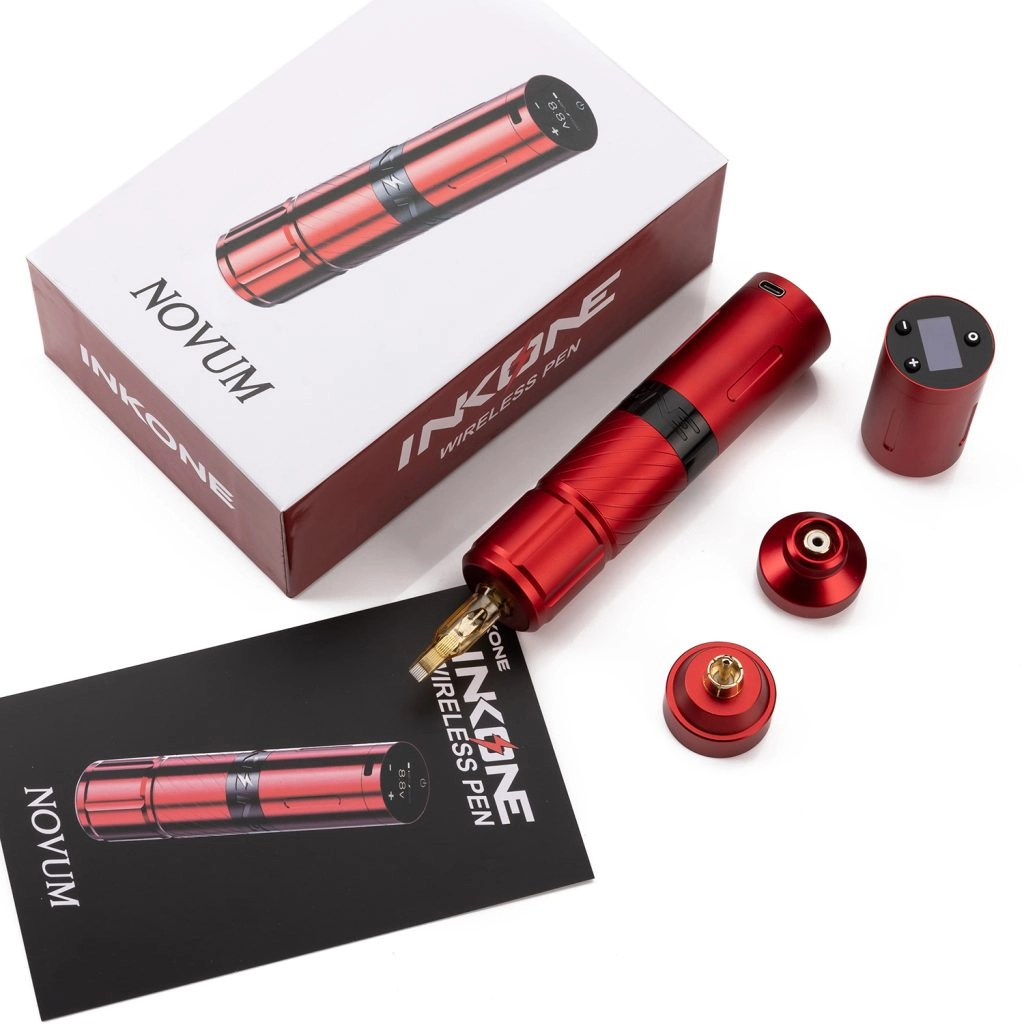
For artists who want top results on all skin and spots, even tricky ones, tools count. Items like the INKONE NOVUM Tattoo Machine Pen let you adjust stroke lengths. It has motors without cores for clean lines and shading. Plus, it’s quiet and does not tire you out.
When Should You Worry?
Not every blur means big trouble. But some signs need a look.
Signs Something Might Be Off:
- Blurry look that stays after four weeks
- Ink going past the first design edges
- Redness or puffiness that does not stop
If these show, talk to your artist right away. Or see a skin doctor if soreness keeps going.
Good gear cuts risk too. Machines made for steady work and exactness, like from INKONE, get trust from pros. They value strong tools and happy clients in every job.
FAQ
Q1: Can I prevent blowouts entirely?
A: Not all the way, but picking a good artist and solid tools lowers the chance a lot.
Q2: Should I avoid working out after getting tattooed?
A: Yes. Skip hard exercise for at least 48 to 72 hours. This cuts sweat and rubbing.
Q3: Is my tattoo supposed to look darker right after getting it?
A: Yes, for sure. Puffiness makes ink look stronger at first. It calms down over time.
Q4: Can I fix a blowout myself?
A: No. Do not try fixes at home. Talk to your artist for advice that fits.
Q5: Do tattoos heal differently depending on placement?
A: Yes. Places like hands or feet take more time. That’s from motion and thin skin.
If you ever wonder if it’s normal or needs help, do not guess. Ask an expert. You can also contact via INKONE’s contact page for pro tips or tool suggestions for exact work setups.