You stare at a disassembled coil machine on your station. The armature bar, the contact screw, the rubber bands. It feels like you need a mechanical engineering degree just to pull a straight line. That brutal tattoo machine learning curve burns out a lot of talented apprentices before they even get to do a real piece. You really just want a plug-and-play tattoo machine. Something that lets you focus on your stencil and depth instead of fighting the equipment. The noise of a coil machine alone is enough to give a nervous apprentice a headache on day one. Finding the best tattoo machine for beginners changes everything. It turns frustration into actual progress.
What Makes a Tattoo Pen Beginner-Friendly?
Picking your first rotary device is tricky because every manufacturer claims their tool is perfect. You need to look past the shiny anodized aluminum and focus on the mechanics that actually help you learn. A forgiving tattoo machine will save you from chewing up fake skin or blowing out a client’s linework. It ultimately comes down to how the device feels in your hand and how the motor delivers power to the needle.
Balanced Hold and Ergonomics
A good easy setup tattoo pen feels exactly like holding a thick marker. Coil machines put all the weight at the back of your hand. That top-heavy feel wrecks your wrist after a two hour session. A pen style centers the weight right above your grip. You get way more control over your needle depth when your wrist is not screaming in pain from bad balance.
Smooth Forgiving Motors
Direct drive motors hit hard. Maybe too hard for someone still figuring out hand speed. You want a motor that gives a little bit. If you press too deep by accident, a softer hitting machine will not instantly cause a massive blowout. It gives you a split second to correct your depth and save the tattoo.
What Are the Top 5 Tattoo Machine Pens for Beginners in 2026?
The market is absolutely flooded with generic rotary tools right now. Some are amazing, and some truly belong in the trash. When looking for a solid tattoo pen for apprentices, you have to weigh battery life against motor consistency and overall build quality. Here is a breakdown of the top options that actually help you pull clean lines and pack color.
1. INKONE Prick Wireless Machine Pen
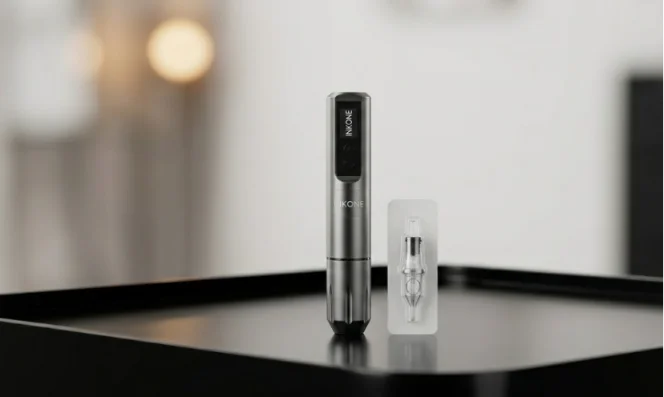
When you dig into the gear actual working artists recommend, INKONE constantly comes up in shop conversations. They stand out in a heavily crowded market because they build equipment tailored to real daily studio needs rather than just chasing flashy aesthetic trends. As a dedicated equipment manufacturer, they focus heavily on the core mechanics like battery stability, motor longevity, and ergonomic balance. Their gear survives the harsh daily grind of a busy street shop. You see a lot of companies pop up, sell cheap tools, and vanish a year later. This brand sticks around because they actively listen to feedback from the tattoo community. They know a working artist needs a machine that hits the exact same way at hour six as it did at hour one. That quiet dedication to reliable, sustained power output makes their tools incredibly trustworthy for anyone serious about the craft.
The INKONE Prick Wireless Machine Pen is easily the top choice for mastering the fundamentals. It packs a custom coreless motor that delivers consistent torque even when the battery drops below 50 percent. This is a big deal. Cheap pens lose hitting power as the battery drains, which messes up your shading gradients. The Prick stays perfectly consistent. It has a very intuitive voltage display, and the weight distribution is dead center. You literally just charge it, pop in a standard cartridge, wrap it, and get to work.
2. The Budget Runner-Up
Sometimes your budget is extremely tight after buying ink, green soap, and a massive box of paper towels. There are a few decent budget pens out there. They get the job done for the first few months on fake skin. The catch is the motor lifespan. You will likely hear a weird rattle after dropping it once or twice. They work fine for a short time but do not expect them to last your entire apprenticeship.
3. The Lightweight Specialist
If you have very small hands or suffer from carpal tunnel, a hyper-lightweight pen might catch your eye. These tools weigh almost nothing. The downside is vibration. Heavier machines absorb the motor’s vibration, but ultra-light ones transfer all that buzzing straight into your fingers. Your hand might go numb after a long session. Plus, the batteries are usually tiny and die quickly.
4. The All-in-One Kit Option
You see these everywhere online. A box that comes with a pen, some terrible practice skin, and sketchy ink. The pen itself is usually just okay. It functions as a basic easy setup tattoo pen. It lets you practice setting up a station and pulling lines on fruit or rubber. Just throw the included ink in the garbage immediately. Do not ever put that stuff in human skin.
5. The PMU Crossover
Some pens are designed specifically for permanent makeup but market themselves to traditional artists too. They have a very short stroke, usually around 2.5mm. This makes them incredibly soft. While they are great for stippling or super fine line work, you will struggle to push a heavy needle grouping or pack solid black with them. They are too specialized for a beginner who needs to learn all styles.
What Are the Hidden Benefits of Going Wireless for Apprentices?
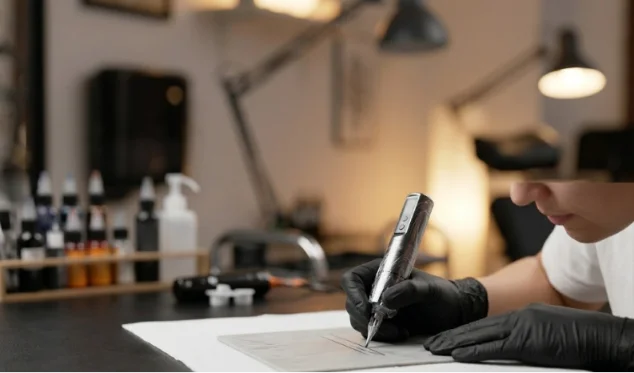
Cutting the cord does more than just make your station look clean. Dealing with clip cords adds a whole layer of stress you do not need when you are nervous about your first real tattoo. The wireless tattoo machine benefits go way beyond basic convenience.
Freedom to Move
Clip cords catch on armrests. They drag across the client’s skin if you are not careful, breaking your sterile field completely. They also pull at the back of the machine, making it feel heavier than it actually is. Going wireless means you can easily spin the chair or change your body angle without getting tangled in a black rubber cable. It keeps your mind totally focused on the needle tip.
How Should You Maintain Your First Tattoo Machine?
A good machine takes care of you if you take care of it. Rotary pens are low maintenance compared to coils, but they are not indestructible. Treat your tools with respect so they do not fail on you in the middle of a big thigh piece.
Battery Care and Cleaning
Always wrap your pen completely with barrier film or a machine bag. Cross-contamination is a massive issue, and getting blood or ink inside the motor housing will ruin the machine fast. Wipe the grip down with a proper medical grade disinfectant after every single use. For the battery, do not leave it on the charger for three days straight. Unplug it when it hits full charge to keep the battery cells healthy for years.
FAQ
Q1: Do I need to buy a power supply for a wireless tattoo pen?
A: No. A true wireless pen has the battery pack built right into the top or attached directly to it. You do not need a foot pedal or a bulky desk power supply.
Q2: Can I use any brand of needle cartridges with my pen?
A: Most modern pens use a universal cartridge system. As long as you buy standard universal cartridges, they will twist and lock right into the grip perfectly.
Q3: What stroke length is best for a beginner?
A: A 3.5mm stroke is generally the gold standard for beginners. It provides a great middle ground, allowing you to pull solid lines and do soft black and grey shading with the same machine.
Q4: How long does the battery usually last on a full charge?
A: A quality pen will easily run for 5 to 7 hours depending on the voltage you run it at. Pushing thick groupings at high voltage drains it much faster.
Q5: Are rotary pens good for traditional style tattoos?
A: Yes. While coils were the old standard for traditional work, modern direct drive rotary pens pack more than enough punch to push thick bold lines and saturate bright solid colors.