Core Tattooing Hardware and Performance Tools
The choice of machine dictates the rhythm of the entire studio day. While the industry has deep roots in coil machines, the shift toward streamlined hardware is undeniable for those managing high volume bookings.
Selecting Between Traditional Rotary and Modern Tattoo Pens
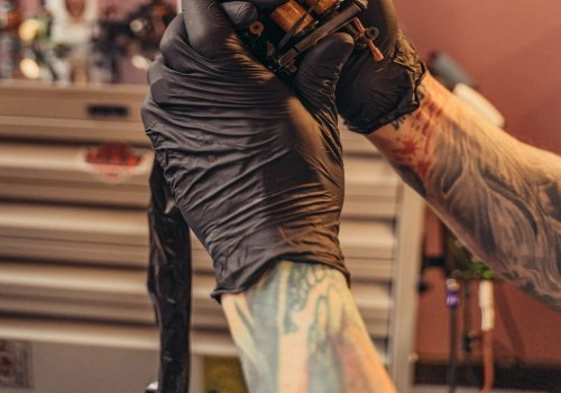
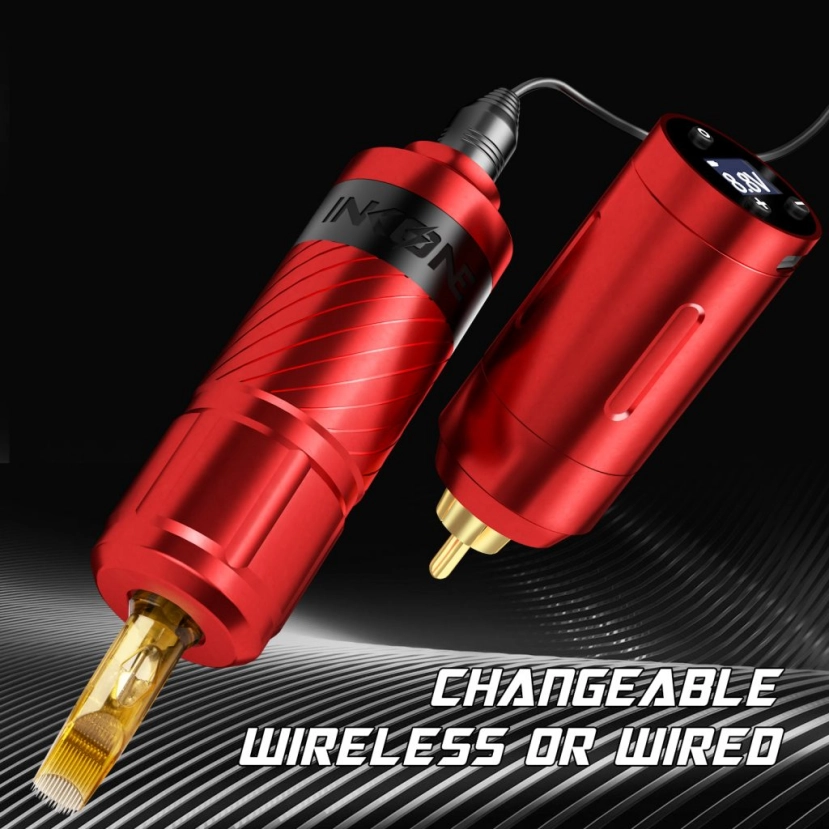
Tattoo pens offer ergonomic advantages that reduce hand fatigue during long sessions. Holding a pen style machine mimics the natural grip of a drawing tool, which shifts the weight balance closer to the needle. This is a game changer when working on a six hour back piece. Wireless battery integration in pens provides greater freedom of movement compared to RCA cord setups. Getting rid of the “leash” means no more snagging the cord on the armrest or accidentally dragging it across a sterile tray. However, maintenance requirements differ significantly between modular pen systems and standard rotary machines. A standard rotary is often more “open,” allowing for easier motor lubrication, while many pens are sealed units that require factory servicing if the internal drive fails.
Power Supply Stability and Voltage Management
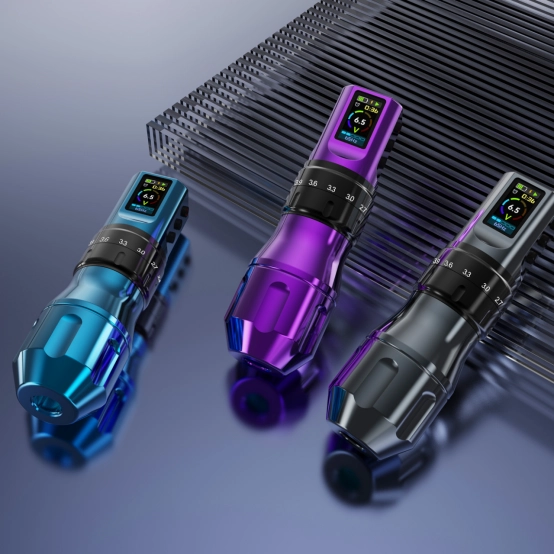
Consistency is the silent partner of a good tattoo. High quality power units ensure consistent needle hit and prevent motor fluctuations. If the voltage sags when the needle hits a tougher patch of skin, the saturation will be uneven. Digital displays allow for precise voltage adjustments necessary for varying skin types and techniques. For instance, a soft black and grey portrait requires a much lower, more delicate hit than packing solid tribal black. Backup power options and footswitch reliability are critical for uninterrupted workflow. There is nothing worse than a wireless battery dying mid-line with no charged spare nearby; always keep a hardwired backup ready.
Needle Cartridge Specifications for Diverse Styles
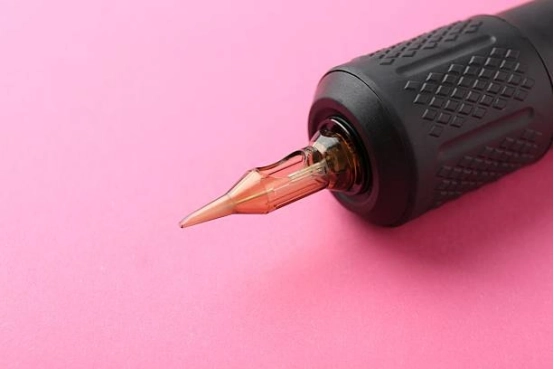
The modern tattoo needle is almost exclusively a cartridge based affair now. Understanding the taper and gauge differences for lining versus shading applications is the first step in technical mastery. A #12 gauge (0.35mm) provides a bold, traditional line, while a #08 (0.25mm) “Bugpin” allows for extremely soft transitions in realism. Safety membrane features prevent pigment backflow into the machine grip, which is a non-negotiable health standard. Stocking a variety of configurations like Round Liners, Magnums, and Bugpins ensures versatility for every client request. A well organized tray usually has a dedicated tight liner for details and a large curved magnum for smooth color blending.
Establishing a Medical Grade Sanitary Environment
A studio is essentially a minor surgical suite. Beyond the art, the primary job is wound management and infection control.
Essential Barrier Protection and Cross Contamination Prevention
Barrier logic is simple: if you touch it, wrap it. Use of medical grade barrier film on all high touch surfaces including lamps and power supplies is standard protocol. Disposable grip covers and clip cord sleeves maintain a sterile field throughout the procedure. These disposables should be stripped and the station disinfected between every single client. Nitrile gloves provide superior chemical resistance and tactile sensitivity compared to latex. They also eliminate the risk of late onset latex allergies for both the artist and the client, which is a common liability.
Skin Preparation and Aftercare Fundamentals
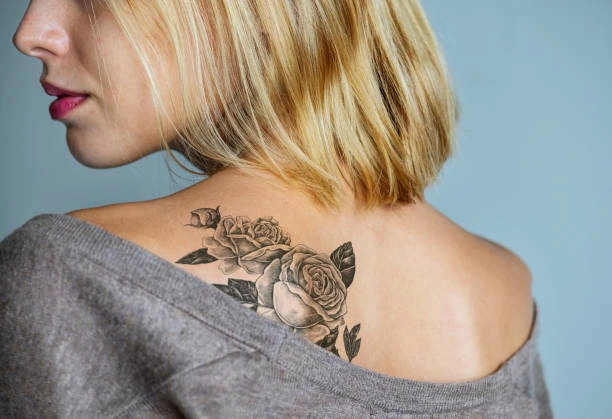
The prep work determines how well the stencil stays and how the skin reacts to the trauma. Green soap and antiseptic solutions are vital for maintaining a clean canvas during the tattoo process. It’s not just about cleaning; it’s about reducing the surface bacteria count. Stencil application gels must provide long lasting durability to prevent design loss during wiping. If the stencil wipes away in the first twenty minutes, the artist is essentially flying blind. Providing professional grade aftercare balms helps ensure proper healing and pigment retention. The client’s behavior at home is 50% of the result, so sending them home with the right product is an investment in the studio’s reputation.
Professional Studio Furniture and Ergonomics
Bad posture will end a tattooing career faster than a lack of talent. The physical toll of leaning over a client for years is cumulative and often permanent.
Adjustable hydraulic chairs allow artists to position clients optimally for difficult body areas. If the client isn’t comfortable, they will twitch, and if the artist can’t reach the area comfortably, the line work will suffer. Ergonomic artist stools prevent long term spinal strain and improve focus. A stool with lumbar support and a “saddle” seat helps maintain the natural curve of the spine. Furthermore, high intensity LED lighting with adjustable color temperatures is necessary for accurate color packing and fine detail work. Yellowish light can mask redness or skin irritation, while a cool white light (around 5000K) shows the true state of the pigment in the skin.
Managing Pigment Inventory and Chemical Safety
Ink is more than just color; it is a chemical compound that must remain stable within the dermis for decades.
What Should You Look for in High Dispersion Inks?
Pigment stability determines how well a tattoo ages over several years. Cheap inks tend to spread or “ghost” more significantly over time. Sourcing REACH compliant inks ensures safety standards are met for international regulations, particularly regarding heavy metal content and banned azo dyes. This is especially important for studios operating in or exporting to the European market. Maintaining a foundational palette of primary colors allows for custom blending and tonal depth. Instead of buying 200 shades, a master artist often relies on a core set of high quality pigments that they can mix to match any reference.
Proper Disposal and Sharps Management
The “back of house” safety is just as important as the front. Biohazard containers are mandatory for the safe disposal of used needles and cartridges. Never, under any circumstances, should a tattoo needle enter a regular trash bin. Chemical disinfectants used for station teardown must be hospital grade and fast acting. Most require a “wet time” of several minutes to actually kill bloodborne pathogens like Hepatitis. Documenting sterilization cycles and chemical expiration dates is a requirement for professional compliance and helps during health department inspections.
Digital Integration and Administrative Supplies
Modern studios are moving away from paper binders and hand drawn stencils to save time and increase precision.
Tablet based portfolio displays and stencil printing software streamline the consultation phase. Being able to resize a design instantly on a screen while the client is watching makes the process much more professional. Consent forms and digital record keeping protect the studio from liability. These should include health history, ID verification, and aftercare acknowledgment. Thermal printers offer high resolution stencil transfers that save time compared to hand tracing. A complex geometric design that would take two hours to trace by hand can be printed in thirty seconds, allowing more time for the actual tattooing.
Ready to build a safer, smoother, and more professional tattoo studio?
Contact INKONE today to get the right tattoo supplies for your studio and start building a workspace that supports better workflow, safer procedures, and outstanding tattoo results.
FAQ
Q: Is a tattoo pen better than a rotary machine for beginners?
A: A tattoo pen is generally more intuitive because it feels like a marker. However, it can sometimes be harder to learn the “depth” of the needle compared to a traditional rotary where the needle bar is visible.
Q: Why choose nitrile over latex gloves?
A: Nitrile is more puncture resistant and doesn’t trigger latex allergies. It also stands up better to the petroleum based ointments often used during tattooing.
Q: How often should I replace my sharps container?
A: When it reaches the “full” line marked on the container, usually about 75% capacity. Never overstuff a sharps container as it increases the risk of accidental needle sticks.
Q: Do I really need a thermal printer?
A: For simple designs, no. But for anything intricate or large scale, it ensures 100% accuracy to your original drawing and saves a massive amount of prep time.