A tattoo equipment bundle is a planned set of compatible products sold for one buyer task. For a studio, that might mean a wireless machine, a practical cartridge selection, and transfer paper that supports the same workflow. For a retailer, it may be a clearly tiered kit that is easy to explain and replenish.
The strongest tattoo equipment bundles are built around use cases rather than random popular SKUs. Start with the buyer, map the work from setup to finished stencil, and decide which products belong together. This gives distributors a clearer shelf story and studio buyers a faster path to a workable setup.
What Is a Tattoo Equipment Bundle?
A bundle is useful when every component helps complete the same job. The machine is the core tool, but the bundle becomes more valuable when the buyer can also select compatible needles, prepare a stencil, and identify what will need replenishment.
That makes a bundle different from a starter kit assembled from leftover inventory. A studio buyer should be able to understand the intended workflow in seconds. A distributor should be able to explain why each SKU is included, what can be reordered separately, and which buyer problem the bundle solves.
A simple rule works well: one bundle, one primary workflow, one clear next purchase. The workflow might be lining and shading for a new studio, a portable wireless setup for traveling artists, or a private-label launch assortment with a controlled number of variants.
Which Tattoo Equipment Bundle Fits Each Buyer?
Choose the bundle structure before choosing the exact models. The same machine can belong in different offers when the buyer, channel, and replenishment pattern change.
| Buyer | Bundle Structure | Selection Rule |
| New or growing studio | Core machine + essential cartridges + transfer workflow | Prioritize coverage of common tasks and simple instructions |
| Retail or e-commerce buyer | Good-better-best tiers with visible differences | Make the reason to move up a tier easy to compare |
| Private-label brand | Branded core product + controlled variants + replenishment packs | Keep the first launch narrow enough to validate demand |
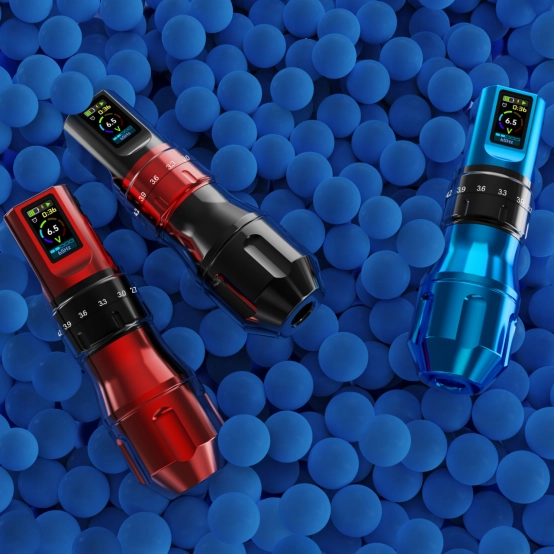
For the core product, compare the range of wireless tattoo machines that can support your intended positioning. A studio-led bundle can emphasize workflow coverage, while a retail bundle may need stronger visual differentiation between tiers. For private label, ask whether the same product story works on the carton, product page, and reorder process.
The goal is not to include every available accessory. It is to make the buying decision easier without hiding the products that generate repeat orders.
How Should You Combine Machines and Consumables?
Build the bundle in the order the buyer experiences the work.
Select the Machine for the Buyer’s Workflow
First, define the machine’s role. A general-purpose pen can anchor a broad studio bundle, while a specialized option may suit lining, shading, or portability. Tie the product promise to the buyer’s workflow.
Match Needles and Transfer Materials
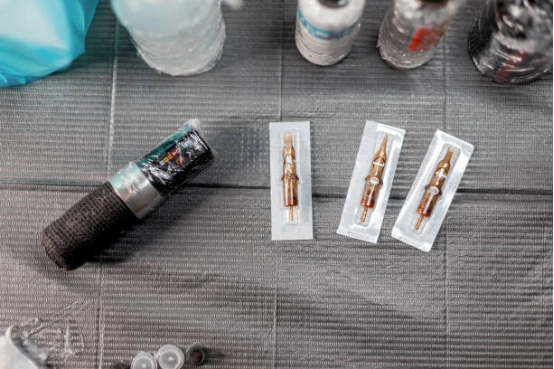
Second, match the needle range to that workflow. A buyer comparing tattoo cartridge needles needs to know which group is included, which styles are optional, and how the cartridge format relates to the selected machine. The bundle should answer those questions on the shelf or product page.
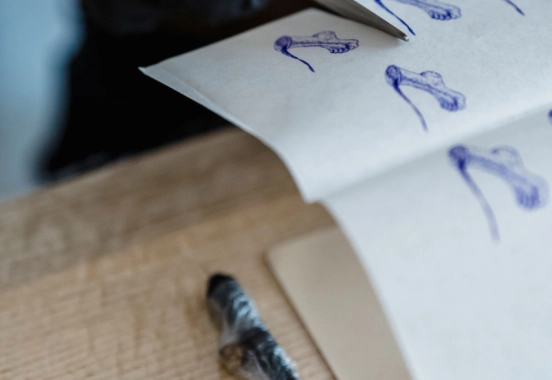
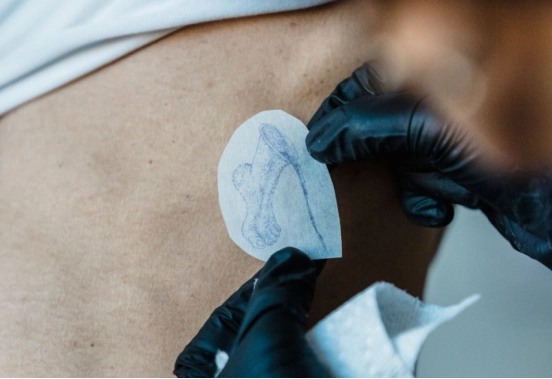
Third, connect the transfer stage. Thermal transfer paper belongs in the core bundle when the offer should feel ready for setup. It may work better as a separate replenishment pack when paper usage is much higher than machine replacement.
Make Compatibility and Replenishment Explicit
Use this compatibility checklist before finalizing the assortment:
- Confirm the machine, cartridge format, and grip or tube configuration work together.
- Define the needle coverage needed for the target workflow.
- Separate one-time equipment from repeat-purchase consumables.
- State what is included, optional, and due for reorder.
- Keep names and instructions consistent across the bundle and refills.
This structure prevents a common mistake: adding more SKUs without adding more usefulness.
How Do You Price and Package a Tattoo Equipment Bundle?
Build Tiers Around Buyer Value
Bundle value is easier to manage when you separate the product decision from the discount decision. A practical internal formula is:
Bundle value = core machine utility + workflow completion + replenishment clarity
The formula is a planning tool, not a margin promise. If an accessory does not improve one of those three inputs, it may belong in a separate add-on.
Good-better-best tiers should differ for a visible reason. A good tier may cover one common workflow. A better tier may add a broader cartridge range or a second battery option. A best tier may add deeper workflow coverage or a more developed private-label presentation. Avoid tiers that differ only by color or a small quantity change that is hard to explain.
Make Packaging Clear at the Point of Purchase
Packaging should answer these questions before the buyer opens the carton:
- What work is the bundle designed to support?
- Which machine and consumables are included?
- Which items are single-purchase products and which are replenished?
- What is the correct order for setup?
- Which variants or refill packs match this bundle?
For a private-label launch, review the full private-label tattoo equipment scope before committing to artwork and printed inventory. A consistent name, color system, and SKU code usually help more than crowded copy.
What Should You Test Before Launching the Bundle?
Run a small pilot before expanding the range. The pilot should test the bundle as a buying experience, not just the machine as an individual product.
Use six checkpoints:
- Workflow completeness:Can the intended buyer understand and use the set for the stated task?
- Component fit:Do the machine, cartridges, and transfer materials work together as specified?
- Instruction clarity:Can a new buyer identify the included items and the next reorder?
- Carton handling:Does the packaging protect the contents and remain easy to stock or ship?
- Inventory logic:Are the core items likely to move together, or should one become a separate replenishment SKU?
- Buyer feedback:Which item created confusion, and which item did the buyer ask to purchase again?
Document the result by SKU and buyer type. Existing sample testing discipline can structure the machine review, but the bundle also needs a shelf, listing, and reorder review.
A practical go/no-go rule is simple: launch only when the bundle completes one clear job, the included products are compatible, and the buyer can explain the next purchase without assistance.
FAQ
How Many Skus Should a First Bundle Include?
Start with the fewest SKUs that complete one buyer workflow. Add variants only when they solve a clear style, voltage, or replenishment need. A narrow launch is easier to explain and restock.
Should Consumables Be Sold Inside the Same Box?
Put core consumables in the same bundle when they are compatible and easy to explain. Use a separate replenishment pack when usage rates differ sharply or the buyer may already have the consumable.
Are Wireless Machines Better for Every Bundle?
Wireless machines can simplify portability and shelf presentation, but they are not a universal requirement. Follow the buyer’s workflow, channel expectations, and price structure. A wired option may suit a fixed workstation or a focused retail segment.
When Should a Private-Label Brand Add Custom Packaging?
Add custom packaging after the assortment, compatibility, and pilot feedback are stable enough to justify artwork, labeling, and inventory commitments. Packaging should follow the validated product story.
Choose the Next Assortment Step
Turn the plan into a small pilot: choose one buyer segment, define one workflow, and select only the machine, consumables, and replenishment items needed to complete it. Review SKU, packaging, and reorder behavior before adding variants. When a private-label discussion is appropriate, send a concise brief with the target buyer, workflow, bundle contents, and packaging priorities.