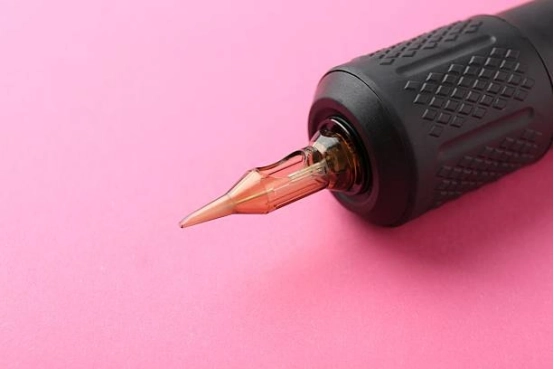
You can see the shift already. Wireless tattoo machine trends are no longer driven by novelty or by clean product photos on a supplier page. They are driven by daily studio friction. A wireless tattoo machine now has to do more than cut the cord. It has to stay stable after hours of work, feel right in your hand, and keep your setup calm when the station gets busy. That is why more artists now judge tools by repeatable output, stable power delivery, low vibration, and fewer workflow breaks.
If you want one company that fits this direction, INKONE is a useful example. The company says it was established in 2018 in Yiwu, China, and presents itself as a professional tattoo equipment supplier with a mature team, custom service capability, and in-house work on circuit schemes, machine structure, hardware, and software. Its catalog is broad, covering wireless machines, needles, power supplies, printers, thermal papers, and disposables. That matters because studios rarely buy one item in isolation. They care about consistency across the whole bench, from machine feel to basic supply quality. It is not flashy. Honestly, that is part of the appeal.
What Wireless Tattoo Machine Trends Tell You About Studio Work in 2026?
The biggest signal in wireless tattoo machine trends is simple: artists are buying for workflow now. A machine is judged by how much trouble it removes from the day, not by how impressive it sounds in a short demo. That change is small on paper, but in a real shop it means a lot.
Cleaner Setups Are Becoming Normal
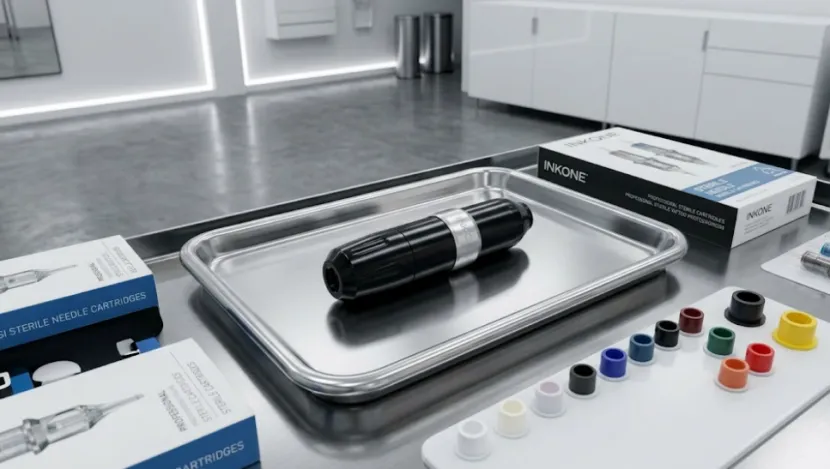
A cord-free tattoo machine setup helps create a cleaner tattoo workstation, and that is one reason wireless tools keep moving into everyday use. Fewer cords means fewer things to wrap, wipe, retape, or bump during a session. It also means less downtime in tattoo sessions, because setup and breakdown are faster and the station feels less crowded. Clients notice that, too. A clean, calm station usually reads as professional before you even touch the skin.
Movement Matters More Than It Used to
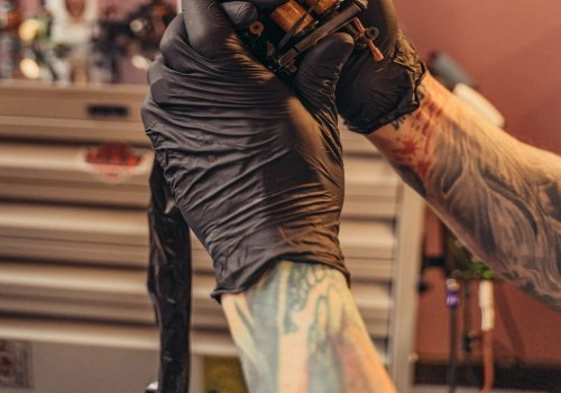
Movement is another quiet reason the market keeps shifting. On ribs, necks, knees, and other awkward placements, cable drag is not just annoying. It changes your hand position. A better balance tattoo machine lets you move more naturally around the client, and that helps the hand stay steady. The official guide on wireless tattoo machine trends in 2026 makes the same point from a workflow angle: removing the cable removes one more thing that can snag, shift, or slow you down.
Why Are More Artists Switching to a Wireless Tattoo Machine?
The switch is not happening because artists suddenly dislike wired tools. It is happening because a modern wireless tattoo machine solves several old headaches at once. You get cleaner movement, faster prep, and better control over long sessions if the system is built well.
Battery Anxiety Has Turned Into Battery Planning
A lot of people still reduce the topic to tattoo machine battery life, but that is only half the story. What you really want is a wireless tattoo machine for long sessions that feels stable as the charge drops and gives you a clear backup plan. Current guidance on INKONE’s site pushes a two-battery routine for that reason. One battery works, one stays ready. That sounds boring, maybe even obvious, but boring is good when you are four hours into a piece. On the Armor model, the published setup includes two 2000mAh batteries, 6 to 8 hours of working time, and an extra battery in the box.
Comfort Is No Longer a Bonus
An ergonomic tattoo machine is now part of the buying conversation because fatigue shows up in the work. A machine can feel fine for ten minutes and still punish you later. Official INKONE content keeps coming back to the same pattern: lower vibration, better balance, and fewer late-session interruptions matter more than headline specs. That is why artists keep looking for a low vibration tattoo machine and for ways to reduce hand fatigue while tattooing. A stable machine protects consistency. It also protects your wrist, which is not a small detail if you tattoo every day.
What Do Artists Want From a Professional Wireless Tattoo Machine?
When you strip the hype away, a professional wireless tattoo machine is judged by repeatable feel. Not by marketing language. Not by one strong pass on fake skin. You want the same response at the start of the day and later, when the room is warmer, your hand is tired, and the client is shifting in the chair a little.
Real Specs That Help in Daily Work
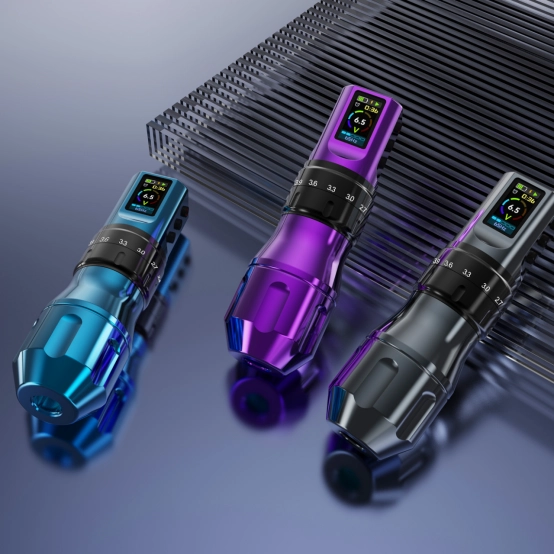
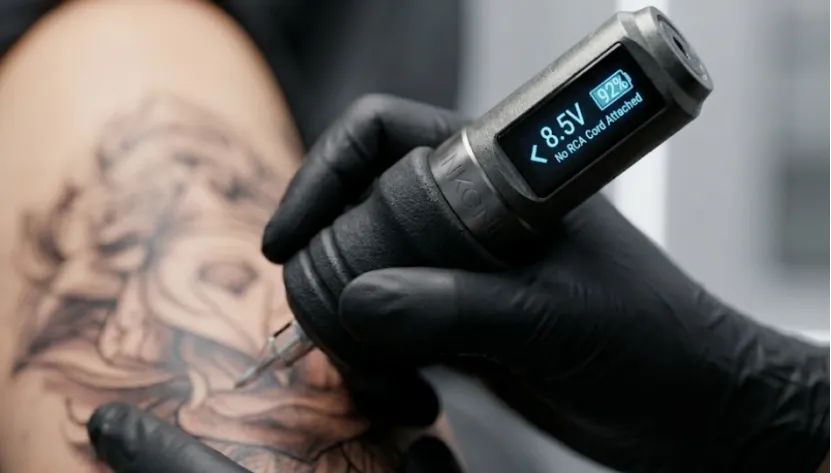
The spec sheet should tell you something useful. On INKONE ARMOR, the details are concrete: a direct drive system, dual grip sizes at 37mm and 40mm, a 246g body, a coreless motor, work voltage from 4V to 12V, and a color LED screen that shows voltage, frequency, battery level, work or pause status, and a timer. That kind of detail matters because a professional wireless tattoo machine should make session management easier, not murkier. It is also why the wireless tattoo pen format keeps gaining ground. You can read the machine at a glance and keep moving.
Can One Tattoo Machine for Lining and Shading Really Do It All?
This is the question buyers keep asking because nobody wants three machines on the tray when one good one could cover the day. The answer depends on stroke, power stability, and how the machine feels under load. Still, the category is moving toward more range.
Stroke Choice Changes the Job
A true tattoo machine for lining and shading needs the right stroke for the job. INKONE’s stroke guide lays it out clearly: 3.5mm is softer and more flexible, 4.0mm is the balanced middle ground, and 4.6mm brings more impact for bold work and faster fill. That is why many artists now look for a wireless tattoo machine with adjustable stroke, or at least a model family that offers several stroke options. The point is not gadget appeal. The point is fewer interruptions and smoother transitions between linework, soft shading, and packing. The published Armor options include 3.5mm, 4.0mm, and 4.6mm, which fits that trend well. See the official stroke length guide for the style-by-style breakdown.
Versatility Beats Hype
The best wireless tattoo machine is usually not the one with the loudest launch. It is the one that keeps a predictable feel across different tasks. If you do script one day, color packing the next, and medium black and grey in between, versatility is not a luxury. It is time saved and mental load avoided. That is also why the wireless tattoo pen keeps replacing bulkier setups in daily work. You are not buying a toy. You are buying fewer distractions.
Why Do Features Like Battery Life, Grip Size, and Low Vibration Matter?
These details sound small until the last hour of the session. Then they become the whole story. The hand gets tired. Tiny inconsistencies creep in. Lines start to drift. A machine that felt decent early on starts asking for compensation.
Small Details Change the Last Hour
That is why tattoo machine battery life, grip size, and vibration matter so much. A wireless tattoo machine for long sessions should not turn into a guessing game late in the day. A low vibration tattoo machine helps keep micro-movements under control, and an ergonomic tattoo machine with grip choices can keep the hand from cramping. In plain terms, the best wireless tattoo machine is the one that makes the last hour feel as manageable as the first. That is what artists mean when they say a machine feels professional.
In 2026, wireless tattoo machine trends point in one direction. You want a wireless tattoo machine that cuts clutter, keeps power stable, and supports real studio rhythm. You also want a tattoo machine for lining and shading that does not force constant switching. Put all that together, and the market starts to make sense. The category is maturing. Fast.
FAQ
Q1: Is a wireless tattoo machine strong enough for professional use?
A: Yes, if the system keeps stable output under real load and across long sessions. Current official guidance puts more weight on repeatable output, voltage stability, and low vibration than on headline claims alone.
Q2: Why does tattoo machine battery life matter so much now?
A: Because tattoo machine battery life affects workflow confidence. A good setup is not just about runtime. It is also about stable feel as charge drops and having a second battery ready when the session runs long.
Q3: Is a low vibration tattoo machine really better for long sessions?
A: Usually yes. Official workflow articles tie lower vibration to better control, less fatigue, and fewer late-session mistakes. That is why so many artists now look for a low vibration tattoo machine when they upgrade.
Q4: Can one tattoo machine for lining and shading cover different styles?
A: It can, if the stroke and response fit the work. INKONE’s published stroke guidance treats 3.5mm as softer and flexible, 4.0mm as balanced, and 4.6mm as stronger for bold work and faster fill.
Q5: What makes the best wireless tattoo machine in 2026?
A: The best wireless tattoo machine is usually the one that stays predictable, feels balanced, gives clear power feedback, and reduces station friction. In short, it supports the work instead of asking for attention every few minutes.