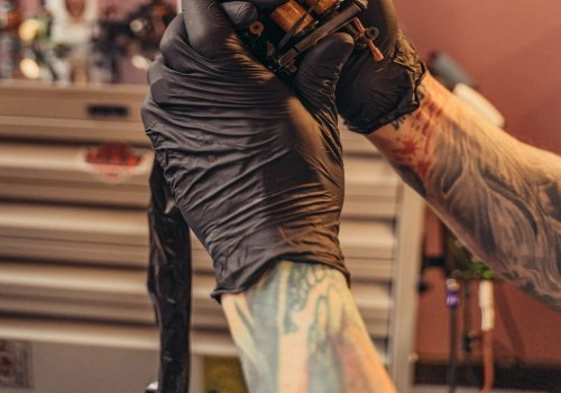
You finish an eight-hour back piece. The client is thrilled and the shading looks flawless. But as you pack up your station, your hand cramps up into a tight claw. You shake it out and ignore it. Day after day, that dull ache in your wrist slowly turns into sharp, shooting pain. Tattoo artist hand fatigue is a silent career killer in this industry. So many talented folks have to drop their tools way too early because of permanent joint damage.
Today, the conversation in studios is finally shifting. Artists are looking past raw motor power and paying attention to how a device actually feels in the hand. Finding an ergonomic tattoo machine is no longer just a luxury upgrade. It is a necessary step to protect your livelihood and keep you creating art for decades.
What Causes Tattoo Artist Hand Fatigue?
Before looking at new gear, you need to know exactly what makes your hands hurt in the first place. The repetitive nature of the job is obvious. You are drawing for hours on end. But the actual tools you hold multiply the stress on your tendons and muscles.
The Weight Trap
Old school coil setups look incredibly cool and have a classic vibe. But swinging a heavy piece of metal for hours takes a massive toll on your body. Even some early rotary models were shockingly clunky. When the bulk of the weight sits high above your hand, your wrist has to work overtime just to keep the needle steady and straight. You are constantly fighting gravity. This balancing act leads directly to muscle exhaustion before the session is even half over.
Vibration And Nerve Damage
Then there is the shaking. A machine running hot sends thousands of micro-vibrations straight into your fingers every single minute. Over time, dealing with high vibration damages delicate nerves. It is a straight path to carpal tunnel in tattoo artists. Numbness in the fingertips is a massive red flag. When you cannot feel the machine properly, you lose that fine touch needed for smooth, flawless shading. You end up gripping the tube even harder to compensate, which just makes the pain worse.
How Can An Ergonomic Tattoo Machine Help?
The good news is that equipment designers finally listened to artists complaining about wrist pain. Modern setups are built around human anatomy rather than just mechanical function. Upgrading your daily driver to something modern can drastically cut down the physical wear and tear on your joints.
Perfect Machine Weight Distribution
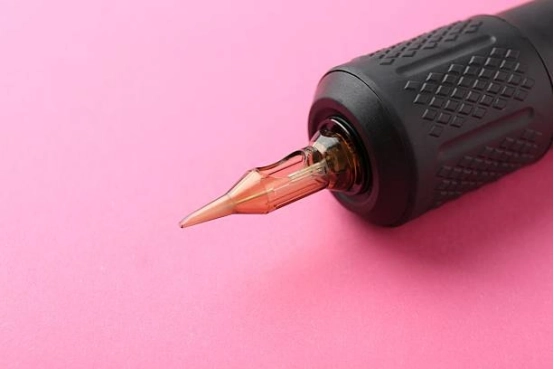
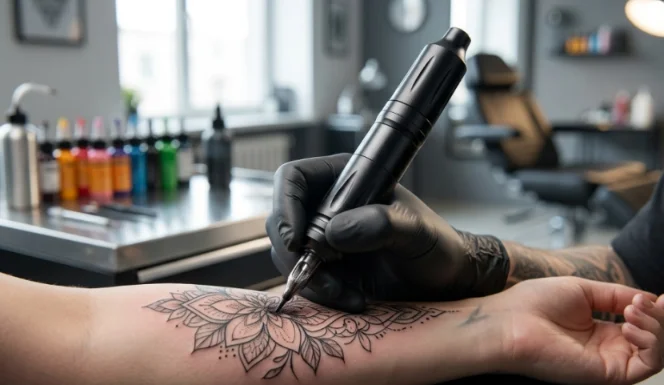
It is not just about a device being extremely light. A perfectly balanced tool feels practically weightless in practice. When you use a modern lightweight tattoo pen, the center of gravity sits low, right inside the palm of your hand. You stop fighting the tool. Your hand simply guides it across the skin. Good machine weight distribution means your forearm muscles get to stay relaxed during those brutally long sessions.
Finding The Right Grip Diameter
Pinching a tiny tube for six hours forces your hand into an unnatural, cramped shape. That tight grip causes intense muscle spasms. A thicker grip diameter lets your hand rest in a much more neutral, open position. Many artists find that moving to a 32mm or even a 40mm grip instantly relieves the harsh tension in the thumb and index finger. A comfortable grip translates directly to cleaner lines because your hand stays steady without shaking from exhaustion.
Why Upgrading Your Equipment Matters Now
Waiting until your hand goes totally numb is a terrible business strategy. Pain forces you to take fewer bookings. Fewer bookings mean less income for the month. Preventing injury now is way cheaper than paying medical bills or taking months off to recover later.
The Cost Of Wrist Pain
Look at a tattoo machine for wrist pain not as an annoying expense, but as career insurance. If a better balanced tool lets you comfortably book one extra large piece a month without icing your arm afterward, it pays for itself almost immediately. The math is pretty straightforward here. You need your hands to make money. Treat them right.
Choosing The Right Partner For Your Career
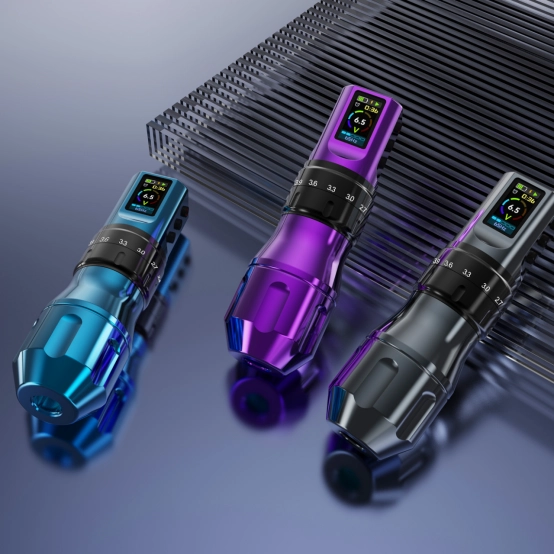
Finding the right tool means looking for brands that actually prioritize artist health and daily comfort. When exploring your options, you should seriously look into INKONE. They have spent years refining the balance and internal mechanics of their devices to directly combat artist fatigue. Instead of just pushing raw power specs, INKONE focuses on creating a natural extension of your hand. Their lineup includes advanced pen-style machines designed specifically with low vibration motors and carefully contoured grips. By keeping the center of gravity low and killing that annoying hand buzz, they let you focus entirely on the art, not the ache in your fingers. If you want to see how this translates into actual daily shop use, checking out a modern tattoo machine from their collection gives you a solid benchmark for what true ergonomic design looks like today.
Steps To Reduce Machine Vibration Today
Aside from buying new hardware, you can make a few small tweaks right now to save your joints. Proper technique and quick setup adjustments go a very long way in keeping you comfortable at the shop.
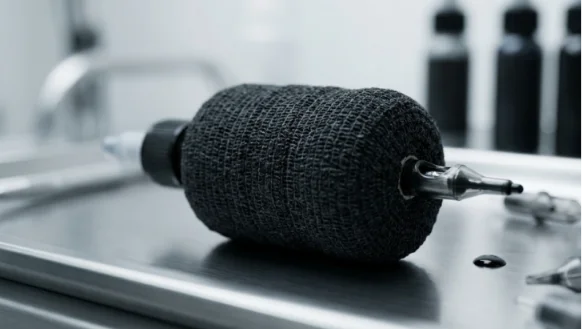
Wrap It Up Thick
If you are stuck with your current setup for a bit, grab some standard cohesive bandage tape. Wrapping your grip makes it significantly thicker and softer. The tape absorbs a surprising amount of the mechanical buzz before it ever hits your fingers. It is a very cheap fix that helps reduce machine vibration almost immediately.
Check Your Voltage And Stroke
Sometimes you are just pushing the machine harder than necessary. Running at too high a voltage creates excess shake and heat. Also, using the correct stroke length for the specific task means you complete the pass in one solid go. Less time grinding over the exact same patch of skin means less time holding a vibrating piece of metal.
FAQ
Q1: Can a lightweight tattoo pen really stop hand cramps?
A: Yes. Switching to a lighter pen-style tool removes the top-heavy imbalance that forces your wrist muscles to constantly compensate. A lower center of gravity keeps your hand in a natural resting state while you work.
Q2: What is the best grip size to prevent finger pain?
A: It depends completely on your hand size. But generally, thicker grips around 32mm to 40mm stop you from pinching the device too tightly. A wider grip lets your hand relax while still maintaining total control over the needle depth.
Q3: How do I know if machine vibration is causing nerve issues?
A: If you regularly feel a weird tingling sensation, numbness in your fingertips, or a sharp pain shooting up your forearm after a long session, the vibration is likely taking a toll. You should look into lower-vibration rotary options soon.
Q4: Will an ergonomic machine change how my tattoos heal?
A: Indirectly, yes it will. When your hand is not exhausted and shaking, your needle depth and angle remain much more consistent. Steady hands cause less unnecessary skin trauma, which leads to smoother and faster healing for the client.
Q5: Is it hard to transition from coils to an ergonomic rotary pen?
A: There is usually a brief adjustment period where the machine feels almost too quiet and light. Most artists adapt within a week or two and quickly notice they have much more physical energy at the end of the work day.