Choosing between a rotary and a coil tattoo machine is still one of the most common discussions among tattoo artists. The debate has been around for years, and there is no sign of it disappearing.
One machine might suit a traditional tattoo artist well. Yet it could feel off for someone who does realism work. The right machine usually fits the artist’s method, daily habits, and how they work.
Tattooing today looks different. Many artists now seek tools that give steady results, ease, and options in long appointments. That is one reason wireless rotary models appear more and more in studios.
What Are the Main Differences Between Rotary and Coil Tattoo Machines?
Rotary and coil machines both push a needle in and out of the skin. They reach that goal in separate ways though.
You notice the difference right away when you pick one up. A coil machine gives a clear buzz and noise. A rotary machine runs more even and steady.
How Does a Rotary Tattoo Machine Work?
A rotary tattoo machine relies on a motor to shift the needle cartridge. The motor spins without pause. It turns that spin into the needed up and down action for tattooing.
This design gives rotary machines several noticeable characteristics:
- Smooth needle movement with less vibration
- Quieter operation compared with coil machines
- Lightweight construction in many models
- Easier handling during long tattoo sessions
- Simple setup with minimal tuning requirements
For lots of artists the top gain is steady performance. In fine realism or gentle shading a reliable needle path lets them make small changes with ease.
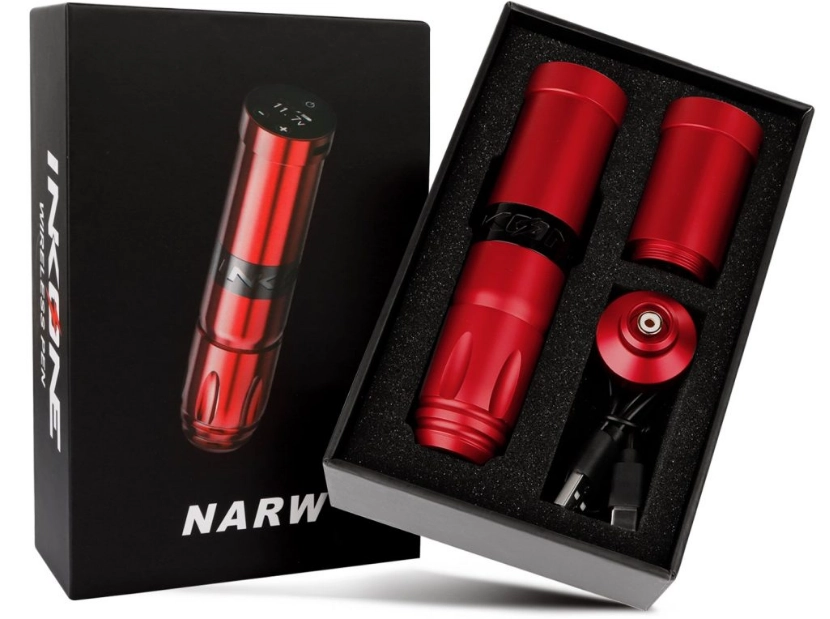
Wireless rotary tattoo machines take this step ahead. Artists gain free motion around the client since no cord links to the machine. The workspace stays tidy too.
How Does a Coil Tattoo Machine Work?
A coil tattoo machine counts on electromagnetic coils. These move the armature bar and needle.
This method has served for many years. It stays favored by skilled tattoo artists. Coil machines bring firm strike and allow changes in how they run.
Common characteristics include:
- Stronger vibration feedback
- More noticeable machine sound
- Higher customization potential
- A traditional tattooing experience
Some artists prefer the physical feedback from a coil machine. The vibration and sound provide information about how the machine is working, which becomes part of their technique over time.
Which Tattoo Machine Offers Better Performance for Different Tattoo Styles?
The right choice often depends on the type of tattoos being created.
A machine designed for fast color packing may not be the best option for fine-line work. Many professional artists keep different machines available because tattoo styles require different performance.
Rotary tattoo machines are often preferred for:
- Fine-line tattoos
- Realism and portrait work
- Smooth shading
- Color blending
- Long tattoo sessions
The smooth operation helps when creating gradual transitions. For example, during a realism piece that requires soft shadows around facial features, many artists prefer a rotary machine because the needle movement feels more controlled.
Coil tattoo machines are often preferred for:
- Traditional tattoos
- Bold outlines
- Heavy color saturation
- Artists who prefer stronger feedback
A traditional artist creating large black outlines may appreciate the stronger hit and mechanical response of a coil machine.
Neither style automatically creates better tattoos. The machine supports the artist’s technique; it does not replace it.
Are Rotary Tattoo Machines Easier to Use Than Coil Machines?
For many modern artists, rotary machines have a shorter learning curve.
A coil machine often requires more knowledge about tuning, spring adjustment, and machine setup. That level of control can be valuable, but it also requires more experience.
Why Many Artists Choose Rotary Machines for Daily Studio Work
Rotary machines have become popular because they reduce some of the technical work around tattoo preparation.
Common advantages include:
- Faster setup before a tattoo session
- Less maintenance compared with coil machines
- Lower hand fatigue during extended sessions
- Comfortable operation for multiple tattoo styles
- Easier switching between lining and shading tasks
A busy studio environment is a good example. When an artist completes several appointments in one day, small differences in weight and vibration can become noticeable after hours of work.
What Are the Pros and Cons of Rotary and Coil Tattoo Machines?
| Feature | Rotary Tattoo Machine | Coil Tattoo Machine |
| Working mechanism | Motor-driven rotation | Electromagnetic coils |
| Weight | Usually lighter | Usually heavier |
| Vibration | Lower vibration | More noticeable vibration |
| Noise level | Quieter | Louder |
| Maintenance | Easier maintenance | Requires more tuning |
| Learning curve | Generally easier | Requires more experience |
| Best for | Versatile modern tattooing | Traditional styles and experienced users |
Rotary machines focus more on comfort and versatility. Coil machines provide more traditional feedback and customization options.
The choice usually comes down to what feels natural in the artist’s hand.
How Should Tattoo Artists Choose Between a Rotary and Coil Tattoo Machine?
Before buying a tattoo machine, artists should look beyond trends and consider their actual working habits.
Important factors include:
Tattoo style:
- Fine line and realism often work well with rotary machines
- Traditional and heavy-line work may suit coil machines
Experience level:
- Beginners often prefer simpler operation
- Experienced artists may value deeper customization
Working environment:
- Mobile artists may benefit from wireless designs
- Studio artists may prioritize comfort during long sessions
Personal preference:
- Machine weight
- Grip comfort
- Vibration level
- Noise tolerance
A machine that feels comfortable after five minutes should also feel comfortable after five hours.
Why Are Wireless Rotary Tattoo Machines Becoming More Popular?
The growth of wireless rotary machines is not just a technology trend. It reflects how tattoo artists work today.
Many artists move around clients, adjust their position frequently, and work in smaller studio spaces. Removing the power cable creates a cleaner and more flexible workflow.
Modern wireless rotary machines offer:
- Greater movement freedom
- Reduced cable management
- Portable studio setups
- Improved ergonomic design
- Reliable battery performance
Professional models such as INKONE Narw meet this need. They join rotary action with wireless ease for artists who want options in daily tattoo work.
Which Tattoo Machine Is Better for Modern Tattoo Artists?
No single machine wins over the other between rotary and coil tattoo machines.
Coil machines stay useful for artists who like classic action, firm response, and options to adjust. They earned their spot in tattoo history.
Still rotary machines match many current routines more closely. Their even run, reduced shake, and simple hold make them a sound pick for artists who cover many tattoo kinds.
For many pros today the real question shifts. It moves from which machine is better to which machine lets them make stronger work with fewer limits.
The best tattoo machine is the one that supports the artist’s technique, not the one with the most features.
FAQs
Q: Are rotary tattoo machines better for beginners?
Many beginners find rotary tattoo machines easier to handle because they require less tuning and provide smoother operation. However, learning proper tattoo techniques remains more important than the machine type.
Q: Can a rotary tattoo machine do both lining and shading?
Yes. Many modern rotary machines can handle both lining and shading by using suitable needle configurations and stroke settings.
Q: Do professional tattoo artists use rotary machines?
Yes. Many professional artists use rotary machines, especially for realism, fine-line work, and long tattoo sessions where comfort and consistency are important.
Q: Are coil tattoo machines outdated?
No. Coil machines are still widely used by professional tattoo artists. Their popularity remains strong among artists who prefer traditional machine feedback and customization.
Q: What should I consider when buying a wireless rotary tattoo machine?
Key factors include motor performance, battery life, weight balance, grip comfort, stroke options, and overall reliability for daily studio use.