The tattoo industry is becoming more competitive. More studios now open several locations. More distributors create their own private label brands. More businesses buy equipment straight from the makers.
That creates opportunity. It also creates a problem.
Picking a tattoo equipment supplier goes beyond just finding a lower price. Your supplier touches product consistency. It changes delivery schedules. It shapes customer satisfaction. It even affects brand reputation. A machine that works well in a product video but stops after a few months can hurt trust fast.
For businesses buying tattoo machines, needles, power supplies, and accessories in bulk, the right supplier should be viewed as a long term manufacturing partner.
1. Evaluate the Supplier’s Industry Experience and Manufacturing Background
A supplier’s experience says a lot about how they handle real production problems.
Tattoo equipment is a precision focused industry. Small details matter. Motor stability, needle compatibility, battery performance, and material selection can directly affect the working experience of tattoo artists.
A manufacturer that has spent years working with tattoo professionals usually understands these details better.
They know why artists like certain machine weights. They see why vibration control matters. They understand why packaging quality cannot be ignored for international orders. When you evaluate a supplier, check if they make the products themselves or if they act only as a trading company. A trading company may give competitive prices. Direct manufacturers usually keep stronger control over product development, quality inspection, and customization.
2. Check Product Range and One Stop Supply Capability
A reliable supplier should do more than provide one popular product.
For B2B buyers, purchasing efficiency matters. Managing five different suppliers for machines, needles, power supplies, and accessories creates unnecessary communication costs. It also increases the risk of inconsistent quality.
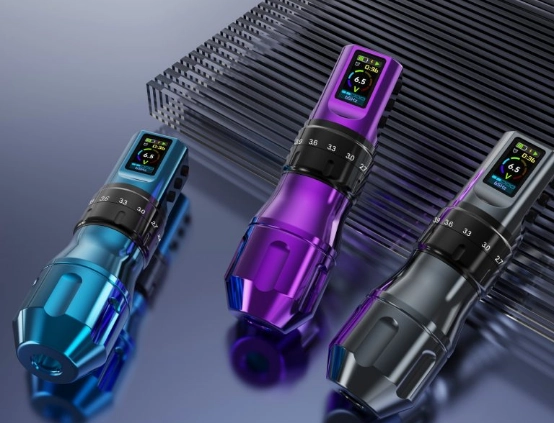
A strong tattoo equipment supplier should provide a complete product range, including:
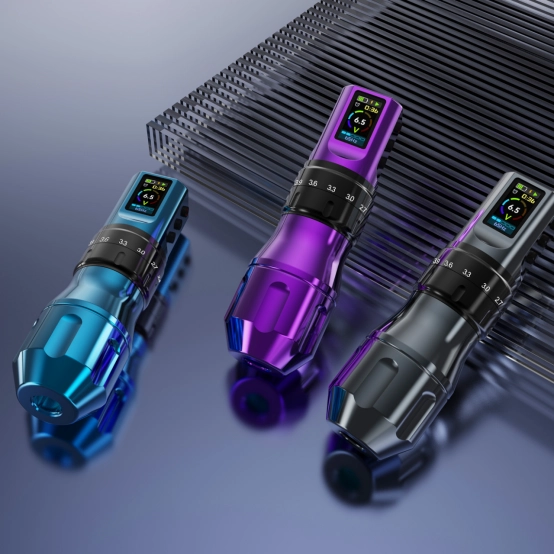
- Wireless tattoo machines
- Rotary tattoo pens
- Cartridge needles
- Tattoo power supplies
- Thermal transfer printers
- Disposable tattoo supplies
- Studio accessories
This one stop supply model is especially valuable for wholesalers and distributors. A customer may start by purchasing tattoo machines but later need matching needles, accessories, and branded packaging.
A supplier that can support product expansion becomes more valuable over time.
3. Prioritize Product Quality Control and Safety Standards
Low cost equipment can look attractive during the purchasing stage. The real cost often appears later.
A distributor receiving a large shipment of unstable machines may face replacement requests, negative reviews, and additional customer service work. Those costs are difficult to calculate before problems happen.
Quality control should cover every important component.
For tattoo machines, pay attention to:
- Motor performance
- Running stability
- Vibration control
- Battery life
- Ergonomic design
For tattoo needles and disposable products:
- Sterile packaging
- Material safety
- Production consistency
- Packaging protection
Professional suppliers should have inspection procedures before products leave the factory. Random checks, function testing, and production monitoring are signs of a more mature manufacturing process.
4. Look for OEM and ODM Customization Capabilities
For many tattoo businesses in 2026, selling standard products is no longer enough.
Private label brands are becoming more common. Distributors want products that look different from competitors and create stronger customer recognition.
A capable OEM/ODM tattoo equipment supplier can help with:
- Custom logos
- Product colors
- Packaging design
- Product improvements
- New product development
A practical example: a tattoo supply company may already have customers but wants to launch its own wireless tattoo machine. Instead of building a factory, it can work with an experienced manufacturer to develop, test, and produce the product under its own brand.
INKONE provides OEM/ODM services for businesses looking to develop customized tattoo equipment solutions and build their own product identity. Customization is not only about adding a logo. Good OEM cooperation involves communication between engineers, designers, and production teams.
5. Compare Pricing, MOQ, and Supply Stability
Price matters. But price alone is a poor way to judge a supplier.
A very low quotation may come with limitations in materials, production capacity, or quality control. For a growing business, unstable supply can be more damaging than a slightly higher product cost.
A supplier evaluation should include:
- Product pricing
- Minimum order quantity
- Production capacity
- Delivery ability
- Long term supply reliability
A small distributor may need flexible MOQ options when testing a new market. A larger brand may care more about monthly production capacity and consistent delivery.
6. Review Communication and After Sales Support
International purchasing requires more than placing an order.
Communication problems can create delays. A supplier that responds slowly during product development may become difficult to work with when urgent issues appear.
Important factors include:
- Response speed
- Technical support
- Warranty policies
- Spare parts availability
- Order tracking
A professional supplier understands that business relationships continue after shipment. A customer may need replacement parts, updated packaging information, or technical guidance months after delivery. Good after sales support reduces operational pressure.
7. Check Customer Reviews, Export Experience, and Market Reputation
A supplier’s previous experience can reveal how they operate.
Before cooperation, review:
- Customer feedback
- Export markets
- Distributor relationships
- Product reviews
- Business history
International markets hold different expectations. Packaging requirements can change. Shipping processes often change as well. Product documentation also varies from one region to the next. A manufacturer experienced in global markets usually understands these differences better.
8. Why Choosing the Right Supplier Matters for Your Business Growth in 2026
A tattoo equipment supplier is part of the business foundation.
The right partner helps companies maintain product quality, launch new products faster, and build customer confidence.
For wholesalers and private label brands, supplier selection can influence profit margins and market positioning. A reliable manufacturer provides more than products. It provides production experience, technical support, and a stable supply chain.
In a competitive market, those advantages become difficult for competitors to copy.
Final Checklist Before Choosing a Tattoo Equipment Supplier
Before placing an order, consider these questions:
- Does the supplier manufacture products directly?
- Do they have professional quality control procedures?
- Can they provide OEM/ODM customization?
- Do they support wholesale purchasing?
- Can they maintain stable production capacity?
- Do they provide reliable after sales service?
A supplier that meets these standards is more likely to support long term business growth.
Conclusion
Choosing a tattoo equipment supplier is a long term business decision. The right partner should provide reliable quality, competitive pricing, customization options, and stable supply capability. For distributors, wholesalers, and tattoo brands looking to expand in 2026, working with an experienced manufacturer can create stronger market opportunities.
Looking for a reliable tattoo equipment supplier with OEM/ODM capabilities?
Contact INKONE to discuss your wholesale and customized tattoo equipment solutions.
FAQ
Q1: What should I look for in a tattoo equipment supplier?
A reliable tattoo equipment supplier should have manufacturing experience. It should have consistent product quality. It should have customization capability. It should have stable production capacity. It should have professional customer support.
Q2: Can tattoo equipment suppliers provide private label products?
Yes. Many professional manufacturers offer OEM and ODM services. These services include custom logos. They include packaging. They include product design adjustments. They also include private label solutions.
Q4: Is a cheaper tattoo equipment supplier always the better choice?
Not necessarily. Lower prices can sometimes lead to quality problems or unstable supply. A reliable supplier should provide a balance between cost, performance, and long term cooperation value.
Q5: Why is OEM capability important for tattoo equipment businesses?
OEM capability allows businesses to create unique products. It helps them strengthen branding. It lets them compete more effectively. They avoid selling the same products as many other suppliers.