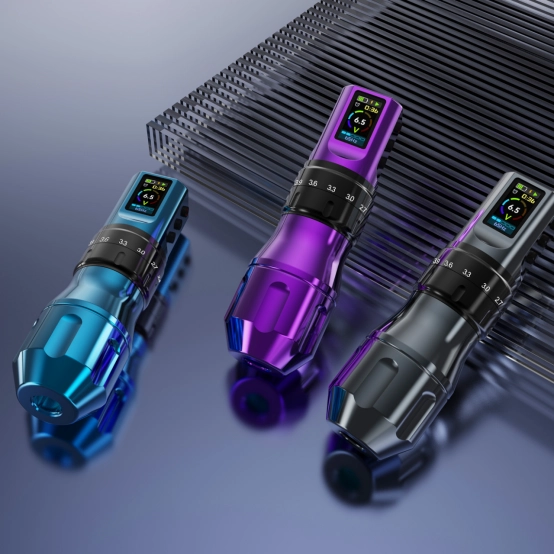
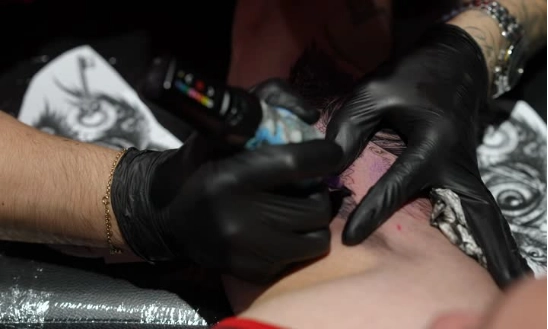
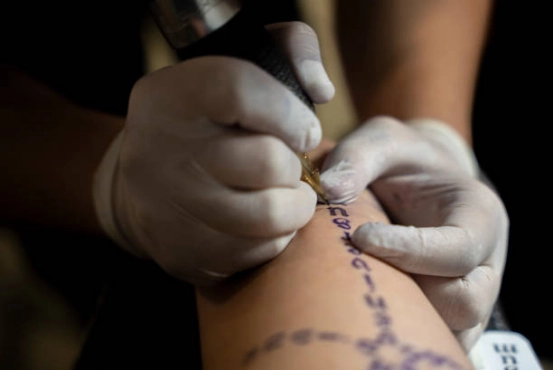
A tattoo cartridge membrane is a flexible internal barrier with two jobs: it transfers drive motion to the needle assembly and helps limit the reverse movement of ink or fluid toward the grip and machine. Its presence matters, but presence alone is not proof of good performance. Material, geometry, fit, and tension determine whether the membrane returns the needle consistently without adding excessive resistance. For professional buyers comparing tattoo cartridge needles, the complete cartridge-and-machine combination is the unit that must be evaluated.
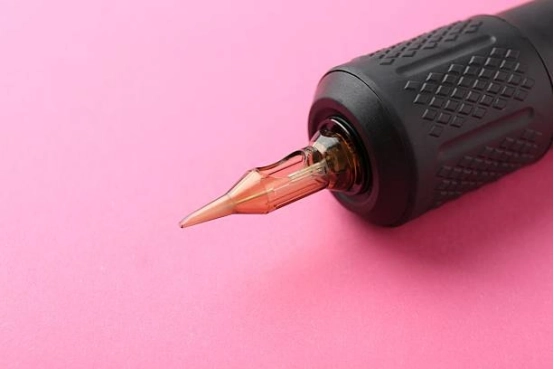
What a Tattoo Cartridge Membrane Does
The membrane sits inside the cartridge body between the needle mechanism and the machine-facing end. As the machine’s drive bar advances, the membrane flexes and allows the needles to move forward. Its elastic return helps draw the needle assembly back when drive pressure is released.
At the same time, the membrane restricts the open path through which liquid could travel toward the grip. That makes it a barrier component, not a sterilization system. A membrane does not clean a contaminated grip, compensate for damaged housing, or make a reusable machine sterile. Its value depends on remaining intact, seated correctly, and matched to the internal geometry of the cartridge.
For buyers, the practical question is therefore not simply, “Does it have a membrane?” It is whether the membrane provides repeatable return action and an effective fluid barrier in the intended setup.
How Membrane Tension Changes Machine Behavior
Membrane tension is the resistance the machine must overcome before and during needle movement. The goal is controlled elastic return without an unnecessary loss of drive response. The following table describes observable tendencies, not universal specifications.
| Observed Condition | Possible Needle Behavior | What the Operator May Notice | Buyer Interpretation |
| Resistance appears too low | Weak or inconsistent return | Loose response or movement that varies between cartridges | Inspect the membrane, stabilizer, and complete internal assembly |
| Resistance appears balanced | Repeatable extension and return | Predictable startup and similar response across samples | Confirm the behavior across sizes and production lots |
| Resistance appears too high | More drive force is absorbed before reaching the needles | Slower response, changed sound, or a need to alter the usual setup | Check fit, friction, alignment, and membrane design before blaming the machine |
A useful qualitative model is:
Available needle force = drive force – membrane loss – friction loss – alignment loss.
Here, drive force comes from the machine; membrane loss is the force used to flex the barrier; friction loss comes from internal contact; and alignment loss reflects inefficient loading when components do not move on the intended axis. This model is not a field measurement or a reason to raise voltage automatically. It shows why two cartridges with similar outer shapes can feel different on the same machine.
Backflow Control Is a System Property
Backflow risk is controlled by the whole fluid path. The membrane matters, but so do the cartridge housing, internal seals, tip geometry, grip connection, setup, handling, and equipment-care procedure. A torn or poorly seated membrane can weaken the barrier. An incorrectly fitted cartridge or damaged housing can create another path or make the assembly behave unpredictably.
The distinction is important because cartridge needles compared with traditional needles use a more enclosed architecture, yet an enclosed architecture is not an absolute guarantee against contamination. Buyers should reject claims that a membrane alone makes cleaning protocols unnecessary or protects every machine under every condition.
A Sample Test Reveals More Than a Specification Sheet
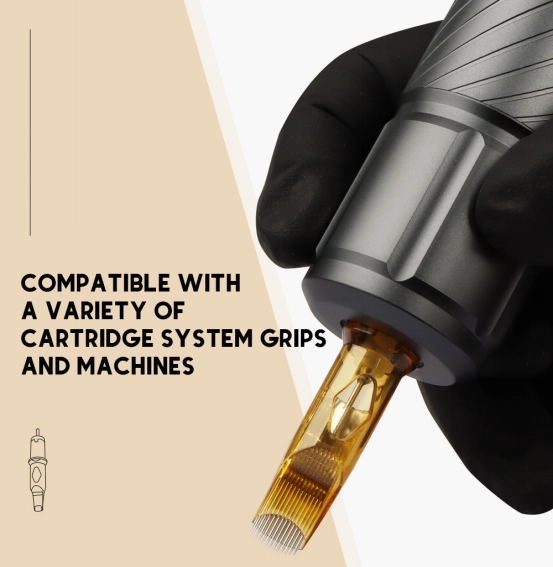
Begin with the intended machine and grip rather than a generic bench setup. Install each sample without forcing the connection, then compare startup, needle extension, return consistency, sound, and vibration at the studio’s normal operating range. A cartridge that requires a major setup change deserves investigation; higher voltage should not be used to conceal abnormal resistance.
Observe several units of each important grouping because a liner and a magnum may load the system differently. After operation, inspect the cartridge-to-grip area using a controlled method appropriate to the buyer’s quality process. Any liquid beyond the intended barrier, damaged membrane, sticking movement, or large unit-to-unit difference should trigger review before stock approval.
For distributor or private-label decisions, one good sample is weak evidence. Record machine model, grip, cartridge code, lot, operating setting, tester, and observation. Then compare repeat samples and, when possible, another production lot. INKONE’s article on wholesale tattoo needle cartridge evaluation provides the broader sourcing context around sterilization, packaging, compatibility, and batch consistency.
What INKONE’s Published Information Supports
INKONE’s official page for GT-R cartridge needles lists 304 stainless steel, a medical-grade shell, EO gas sterilization, and packaging of 20 pieces per box. It identifies RL, RM, RS, and M1 models and needle diameters from 0.18 mm to 0.35 mm. A separate INKONE wholesale article states that GT-R cartridges include an anti-backflow membrane.
Those published facts establish product features, not a universal performance result. They do not specify one membrane tension for every grouping, prove compatibility with every grip, or replace sample validation in the buyer’s intended machines. Procurement documents should keep those distinctions clear.
When the Membrane Is Not the Real Problem
Resistance, poor ink flow, or inconsistent response can come from needle alignment, tip fit, housing friction, a damaged stabilizer, cartridge seating, ink loading, or machine setup. Compare a suspect unit with an approved unit of the same code before assigning a cause. If the symptom follows one cartridge, inspect that assembly; if it follows the machine or grip across cartridges, investigate the equipment interface. A membrane diagnosis should come from controlled comparison, not appearance alone.
FAQ
These questions clarify the boundaries that matter when a studio, distributor, or product manager evaluates membrane-equipped cartridges.
Do All Tattoo Cartridges Have a Membrane?
No. Cartridge construction varies by manufacturer and product line. Confirm the feature in current product documentation and physical samples instead of inferring it from the cartridge’s outer housing.
Does a Membrane Make a Tattoo Machine Sterile?
No. A membrane is one barrier in a wider infection-control and equipment-care process. It does not sterilize the grip or machine and cannot replace approved handling and cleaning procedures.
Can High Membrane Tension Reduce Needle Response?
It can add resistance, but actual response also depends on membrane geometry, internal friction, needle alignment, cartridge fit, and the machine’s drive system. Test the complete combination.
Are Membrane Cartridges Compatible with Every Tattoo Pen?
No. Connection style alone does not prove compatibility. Verify physical fit, drive-bar reach, needle movement, and operating behavior with the specific machine, grip, and cartridge code.
How Many Cartridge Samples Should a Buyer Compare?
There is no universal count. Compare multiple units across important configurations and, for B2B approval, more than one lot when possible. The objective is consistency, not finding one exceptional sample.
Discuss Cartridge Samples and Specifications
For a focused product discussion, prepare the machine and grip models, preferred needle groupings and diameters, intended market, packaging needs, and sample quantities. Then contact INKONE to discuss available GT-R cartridge specifications and a practical sample plan before adding the product to a studio or distribution range.