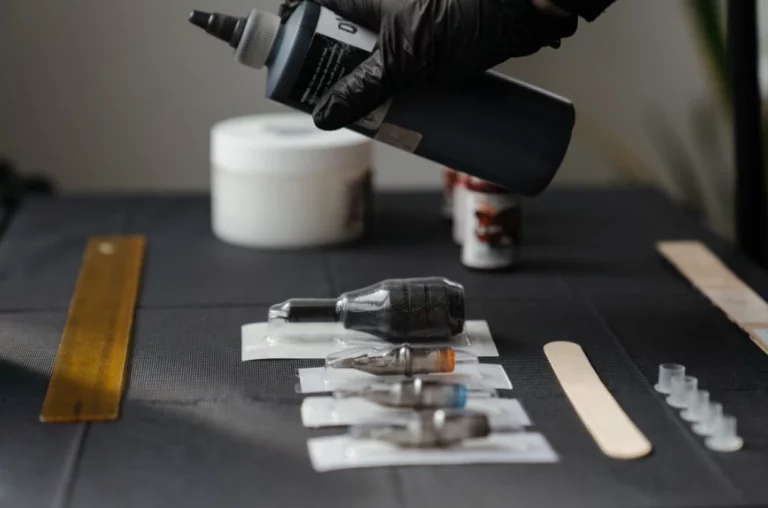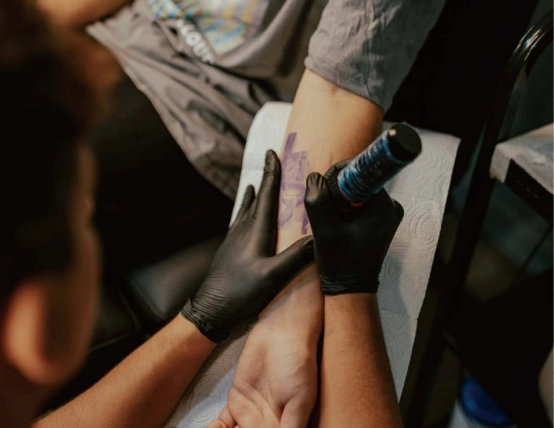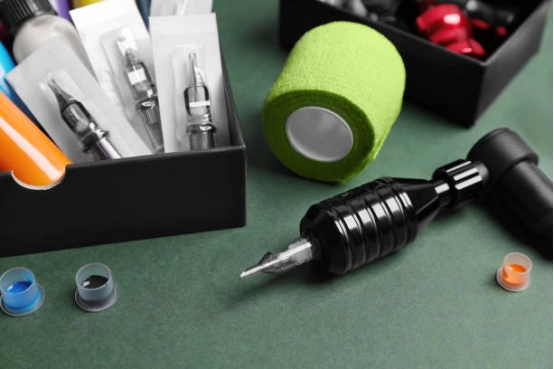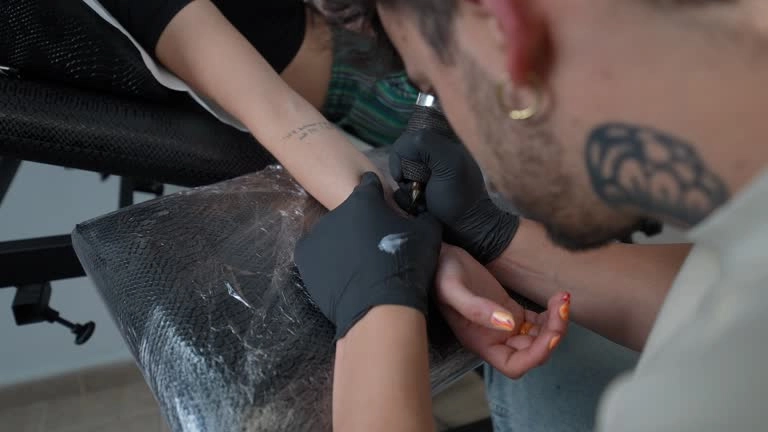
Launching a tattoo equipment line sounds simple until the details surface. A machine has to feel right in an artist’s hand. A cartridge needs dependable flow. Packaging must survive international shipping. OEM manufacturing can bridge a product idea and a repeatable supply chain.
What Is OEM Tattoo Equipment?
OEM means a manufacturer produces equipment to a buyer’s specifications and branding. The buyer may define housing and performance targets. Colors and packaging follow the same brief. The factory handles engineering and quality checks.
ODM starts from an existing manufacturer design. The brand selects a proven platform and requests changes. These may involve a finish or control layout. Private label usually involves less modification. A ready-made product receives the brand’s logo and packaging.
The distinction matters because development time and investment can change sharply between models. A young brand may begin with an ODM pen and branded cartridges. A studio equipment company with a clear identity may need a deeper OEM program.
Why Tattoo Brands Choose OEM Manufacturing
OEM is more than a logo. It can shape the position of an entire product line.
Build a recognizable product identity
Artists notice details. A consistent finish across a wireless pen and box makes a product feel deliberate. Color references and grip texture set the feel. Logo placement and manuals help a new brand look established.
Improve margin control
Buying directly can reduce layers between factory and brand. Bundling machines with cartridges or accessories creates a clearer price structure for distributors and online channels.
Maintain quality consistency
A written specification gives every batch the same target. It can cover dimensions and connectors. Needle fit and cosmetic tolerance also need records. Without them, a product can drift between orders.
Launch products faster
An existing platform can remove early engineering work. The brand can focus on testing and packaging. Channel feedback matters when a launch date is fixed.
Scale with demand
The right partner should support a pilot and repeat orders. A brand can learn from artists before committing its full inventory budget.
What Products Can Be Customized?
Customization works best when the product family is planned as a system. Machines attract attention; consumables and accessories drive repeat purchasing.
Tattoo machines
Options may include wireless or wired power with pen-style or rotary formats. Housing color and logo placement follow the brief. Define intended use before discussing performance.
Power and battery solutions
Battery modules and charging accessories require attention to voltage compatibility and connectors. Displays and regional plugs may also change. Ask for electrical specifications before approving production.
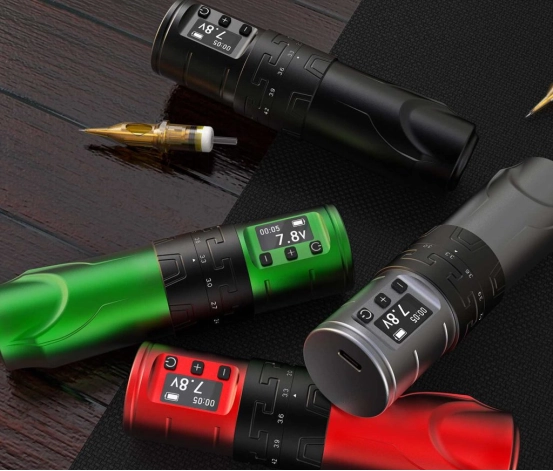
Tattoo cartridge needles
Needle groupings and membrane behavior can be part of an OEM program. Labeling and sterile packaging need equal attention. INKONE’s guide on what to check before ordering wholesale tattoo needle cartridges can support product research.
Grips, tubes, and accessories
Ergonomics matter during a long appointment. Test materials and grip diameter with the machine. Check color and compatibility before approval.
Retail and shipping packaging
Custom boxes can include inserts and manuals. Protective structures may be required. Packaging must survive delivery.
How the OEM Tattoo Equipment Process Works
The process is easier when each decision is recorded before the next one begins.
Step 1: Define the product brief
Describe the target market and artist profile. Add technical expectations and a target price. Measurable requirements beat reference images alone.
Step 2: Review existing solutions
Compare platforms with the brief. Decide whether modified ODM meets the need. Request specifications and sample pricing.
Step 3: Prototype and sample testing
Working artists should use samples. Check balance and vibration. Test battery endurance and charging. A product can look excellent in a photo yet feel tiring after three hours.
Step 4: Confirm branding and packaging
Approve logo files and colors. Confirm box dimensions and labels. Keep an approved artwork version for later batches.
Step 5: Production and quality control
Agree on inspection points and tolerances. Define cosmetic standards and batch records. Clarify defect reporting.
Step 6: Shipping and reorder planning
Confirm carton details and shipping terms. Reorder timing matters when machines and cartridges are bundled.
OEM Quality and Compliance Checklist
Quality claims should be tied to evidence.
Product performance
Check motor stability and needle movement under realistic workloads. Review balance and grip comfort. Test battery performance as well.
Materials and manufacturing
Review housing durability and component fit. Check corrosion resistance where relevant. Confirm machine-to-consumable compatibility.
Hygiene and packaging
For relevant consumables, verify sterile seals and batch identification. Confirm traceability and transport protection.
Market compliance
Ask for destination-market documentation. This may include CE or FCC. UKCA and other requirements can apply. Confirm labeling before launch.
Supplier quality systems
Discuss inspection records and sample approval. Clarify warranty coverage and after-sales support.
MOQ, Pricing, and Lead-Time Considerations
The unit price is one part of an OEM budget. Product changes affect landed cost. Packaging and freight add to it. MOQ may differ between stock and customized items.
Ask for sample and production lead times. Confirm payment terms. A pilot order shows artist response and packaging performance.
How to Choose the Right OEM Tattoo Equipment Partner
Look for experience with tattoo machines and consumables, not only general electronics. The supplier should explain technical limits and provide a clear sample approval path. Quality records and communication should remain steady after payment.
Capacity for repeat orders matters as much as the initial sample. Responsive service and realistic delivery commitments matter too. INKONE can align machines and cartridges under one specification.
FAQ and Next Steps for Tattoo Brands
Q: What is the difference between OEM and ODM tattoo equipment?
OEM follows a buyer-defined specification. ODM adapts an existing manufacturer design.
Q: Can I customize the logo and packaging on tattoo machines?
Often, yes. Confirm available finishes and artwork formats. Check packaging quantities and approval steps for the selected model.
Q: What should I test before placing a bulk OEM order?
Test ergonomics and vibration with professional artists. Check battery behavior and compatibility.
Q: How do I calculate the total cost of an OEM tattoo equipment project?
Combine product pricing with samples and tooling. Add packaging and freight. Include duties and channel costs.
Prepare the category and market. Add quantity and branding requirements before contacting a supplier. INKONE can clarify customization and prepare an OEM or ODM quotation. Review tattoo transfer paper types when planning a bundle.
Conclusion: Turn a Product Idea Into a Branded Tattoo Line
INKONE presents a one-stop sourcing option for professional equipment and consumables with OEM and ODM support for overseas brands.
OEM tattoo equipment gives brands control over identity and supply planning. Strong projects start with a focused brief and realistic samples. Share the requirements with INKONE and request an OEM/ODM solution built around products your market will use.