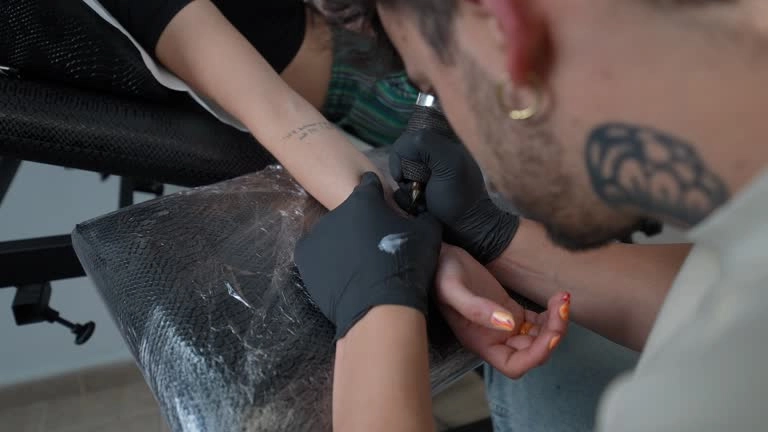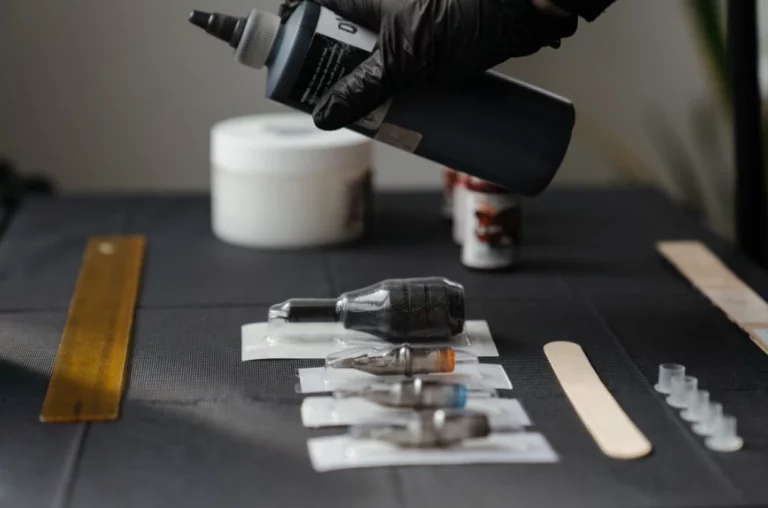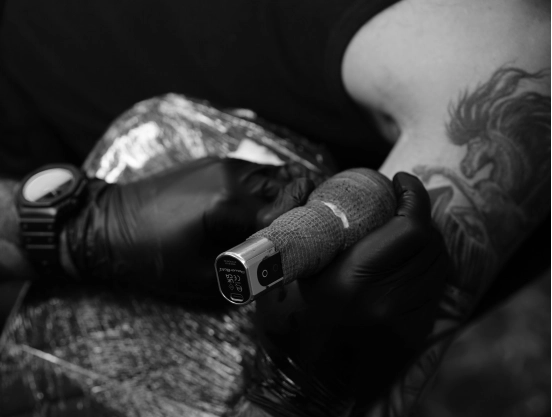
A private-label tattoo machine does not need to begin with a blank sheet of paper. For many distributors, that would be an expensive way to learn a simple lesson: artists care about how a machine works long after they notice the logo.
The useful question is not, “How much can be customized?” It is, “What needs to change for this product to earn a place in the range?” A first wholesale launch may need strong packaging and a dependable platform. A mature brand may need a different grip, stroke, or control layout.
INKONE supplies tattoo machines and related needles, power products, printers, and studio consumables for coordinated product lines. Its OEM route has four levels. Each adds responsibility and a greater chance to make the product distinct.
Why Defining Your OEM Level Before Requesting a Quote Matters
An inquiry that says “custom tattoo machine” leaves too much unsaid. One buyer may mean a logo on a stock wireless pen. Another may expect a purpose-built circuit and app-controlled settings. A quotation cannot sensibly treat those requests as the same job.
The level affects MOQ and sample work. It also determines tooling, documentation, lead time, and who makes technical decisions. A distributor selling through studios may want a fast private-label offer before a trade show. A premium wireless brand may accept a longer development cycle because performance is part of the pitch.
Set the commercial aim before discussing details. Is the product meant to test demand or fill a price point? Is it intended to answer artist feedback or establish a proprietary platform? That prevents cosmetic work from being priced like engineering work.
Level 1: Logo and Packaging Customization for Fast Private-Label Launches
Level 1 changes the market-facing identity of an existing machine. The machine keeps its established structure and performance platform. The brand adds its logo, then creates a box and printed presentation that belong to its own range.
This is often the sensible entry point for a new tattoo distributor. Picture a buyer launching a small online catalog before a busy season. The immediate goal is to see whether the channel responds to the brand.
Packaging matters more than it gets credit for. A sturdy box protects the unit during export and gives a retailer a product that can sit beside a branded cartridge box without looking improvised. Approve logo position and marking method on a physical sample. Artwork that looks balanced on a monitor can disappear against a dark anodized finish.
Level 1 is a branding and presentation program, not a performance claim.
Level 2: Create a More Distinctive Product Experience With Colors, Grips, Accessories, and Batteries
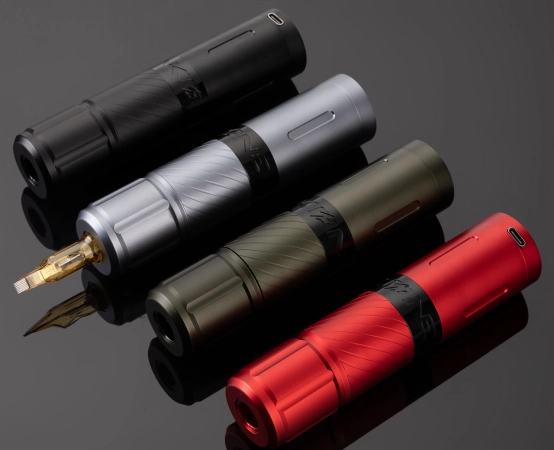
At Level 2, the buyer begins to shape what the artist sees and holds. Color and grip form can turn a familiar platform into a more recognizable line. Included accessories and battery configuration extend that effect.
The changes should have a reason. A textured grip may suit a studio-focused offer. A lighter grip and battery configuration can work better for a mobile kit. Compatible accessories create a clearer upsell than another isolated SKU.
Grip decisions deserve hands-on testing. A millimeter can change the feel during a long lining session. So can surface texture. Let one or two trusted artists work with the sample. Ask where their hand starts to tense. That answer is more useful than a preference poll.
For a broader private-label program, matching machine colors with tattoo needle packaging can make the shelf feel deliberate. Color should not become the entire strategy. Level 2 must improve the buying or working experience.
Level 3: Engineer Machine Performance Through Motor, Stroke, Dimensions, and Electronics
Level 3 moves past appearance. The buyer now influences the machine’s working character through motor selection, stroke, dimensions, and electronic configuration.
This level fits a brand with a specific user in mind. A machine for bold lining will not be specified like one for softer shading. The brief needs the tattoo styles and target weight. Add the balance point, preferred stroke, power behavior, and the problem to solve.
A competitor photo can explain proportions. It cannot explain vibration, torque under load, or why an artist reaches for one machine after six hours. Test samples with people who will give blunt feedback.
Electronic configuration needs the same discipline. Document battery behavior and display logic before production approval. Confirm the charging connection and protection settings. Set tolerances and inspection points. Otherwise, the first approved sample becomes a nice memory rather than a production standard.
Compare the choices with INKONE’s guide to custom tattoo machines. Level 3 is where a product gains a defensible reason for being different.
Level 4: Full Tattoo Machine Product Development From Housing to Software
Level 4 is a full development project. Housing and circuit are developed alongside software and the product concept. It fits when an existing platform cannot solve the intended problem.
That could mean a new wireless control approach, body architecture, or a machine built for a particular workflow. The upside is real. So is the work. Industrial design must fit the internal layout. The circuit must support the control behavior. Software needs a stable purpose, not a fashionable feature list.
Before the first prototype, define ownership of drawings and source files. Agree how changes are approved. Address tooling and component alternatives. Cover target-market compliance, firmware maintenance, warranty handling, and supply continuity. These details matter on the next production run.
Level 4 is not a badge of ambition. It is a commitment to a product roadmap. A brand without a clear volume forecast or technical use case may be better served by a well-executed Level 2 or Level 3 program. Complexity has a habit of charging interest.
How to Choose the Right Tattoo Machine OEM Level
The best level is the one that solves the current business problem without burying it under development work.
| Your business objective | Recommended OEM level |
| Launch a branded product quickly | Level 1 |
| Build a recognizable visual product line | Level 2 |
| Differentiate through machine performance | Level 3 |
| Create a proprietary tattoo machine platform | Level 4 |
Start with the sales channel and user. Set a target price and launch window. Add expected volume and the one difference buyers should notice. An independent retailer may need a product that arrives ready to sell. A specialist brand may need artists to feel an advantage before marketing copy can work.
Build Your Tattoo Machine OEM Project With INKONE
The strongest inquiry is brief but concrete. Include the target market and machine category. State the customization level, visual references, estimated order volume, timeline, and destination-market requirements. Include the selling price. It anchors decisions that could otherwise drift.
INKONE’s OEM/ODM service connects tattoo machine development with the wider equipment range, which is useful when the project includes consumables or a launch bundle. Contact INKONE and send the working brief. Begin with the level that matches the product plan. A polished logo is enough for some launches. For others, the machine itself needs to carry the brand.
FAQ.
Q: What is the difference between OEM and ODM tattoo machines?
OEM follows the buyer’s defined requirements. ODM adapts an existing manufacturer platform. The quotation should state exactly what is being changed.
Q: Can a new tattoo brand begin with Level 1 customization?
Yes. Level 1 is often the practical choice when the brand needs a branded product quickly and has not yet collected enough artist feedback to justify engineering changes.
Q: What should be tested before a Level 3 or Level 4 production order?
Test working samples with experienced artists under normal session conditions. Review grip comfort, balance, and vibration. Check battery behavior, charging, controls, and consistent operation. Record the feedback before confirming mass production.