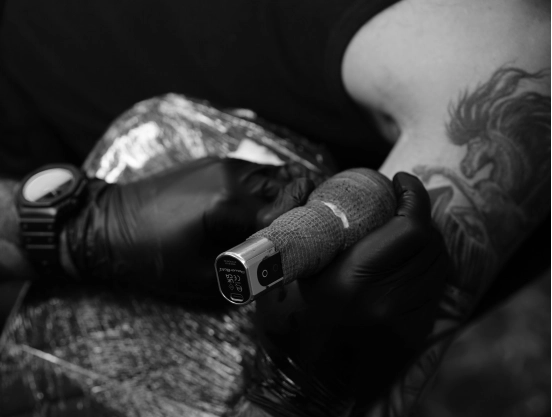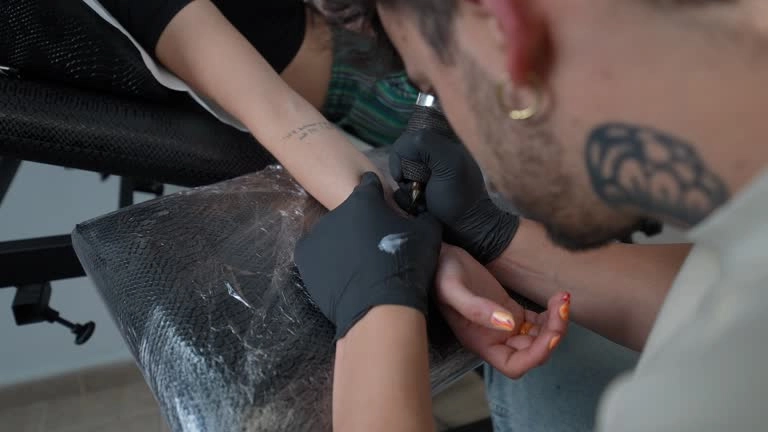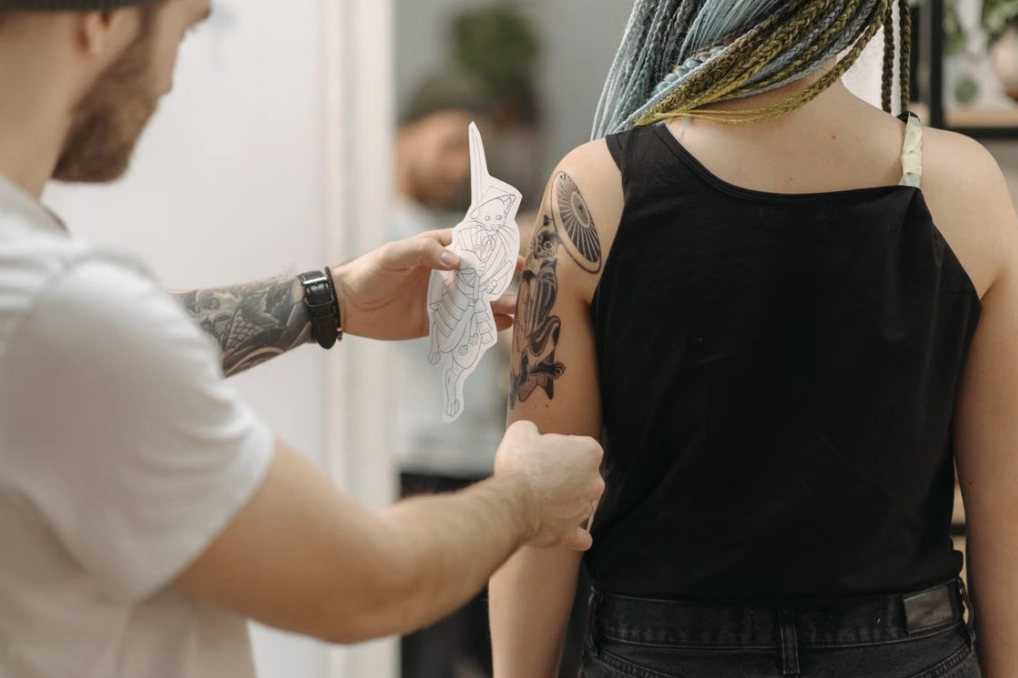
A new distributor needs enough tattoo machines to look credible. Yet every extra model consumes cash and adds work in marketing and after-sales support. The better goal is coverage. For most new distributors, that means six to eight models.
How Many Tattoo Machine Models Should a New Distributor Start With?
Six to eight tattoo machine models is a practical opening range. Small online sellers may test four or five. Established retailers may support eight to twelve.
Count models and SKUs separately. A machine sold in black and red is one model but two stock-keeping units. Add a second battery bundle and the inventory branches again.
This range can cover entry-level and mainstream wireless demand. It also leaves room for adjustable-stroke users and one premium position while producing useful sales data.
Why Starting With Too Many Models Creates Inventory Risk
The risk goes beyond unsold machines. A broad launch adds operational costs after the order is paid.
Inventory Becomes Fragmented
Consider an order of 60 machines. Six models provide ten units each. Fifteen models leave only four. One can sell out in days while cash remains trapped in slow variants. Reordering turns reactive and freight costs rise.
Marketing Becomes Less Focused
Each model needs accurate specifications and a clear sales position. Similar products also compete with each other. A buyer comparing five nearly identical pens may postpone the decision. Two distinct choices are easier to sell.
After-Sales Costs Increase
Different batteries or charging systems complicate warranty work. The problem is obvious when a customer needs a battery for a model that sold twice. Holding service stock is expensive. Not holding it damages trust.
How to Build a Balanced 6–8 Model Starter Range
Assign every model a job before discussing colors or packaging. If two candidates solve the same problem at the same price, one probably does not belong in the opening range.
1. One or Two Accessible Entry-Level Machines
These machines serve apprentices and studios buying backup units. They should be easy to operate and explain. Dependable performance matters more than the lowest price. A poor entry model can damage the whole range’s reputation.
2. Two or Three All-Round Wireless Tattoo Pens
This is usually the commercial center. Select wireless tattoo machines that cover common lining and shading work while offering useful differences.
One may have a compact body. Another can offer a wider grip or dual batteries. The difference must matter at the workstation.
3. One or Two Adjustable-Stroke Machines
Adjustable stroke provides flexibility without several fixed-stroke devices. Compare the usable range and control method. Balance under load matters too.
Test a sample. A specification can list seven settings. It cannot show whether the adjustment ring moves cleanly with gloved hands.
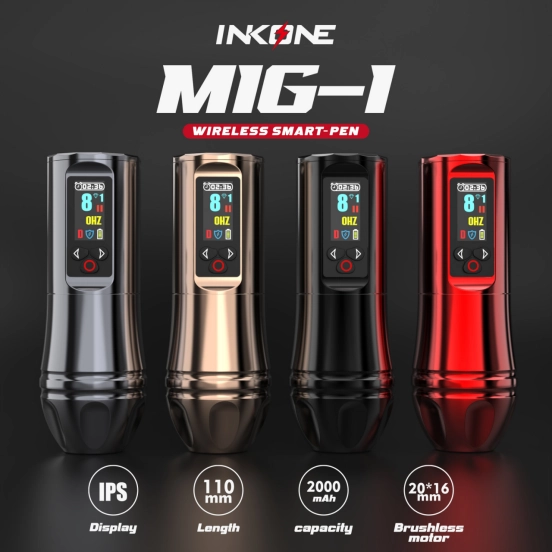
4. One Premium or Brand-Building Model
A premium model can attract experienced artists and raise order value. Price alone does not create that position. Construction and ergonomics must support it. So must service. One convincing flagship beats three expensive machines without distinct roles.
5. Keep Colors and Bundles Under Control
Start with a few proven finishes. A bright color may attract social engagement and still move slowly in wholesale orders. Add variants after purchase data supports them.
What Should Determine Your Exact Starting Number?
Six to eight is a planning baseline. The final number should reflect local demand and the distributor’s operating constraints.
Target Customer Profile
An apprentice-focused store needs accessible prices. A studio supplier needs stronger mid-range coverage and a credible premium option.
Local Price Bands
Review local prices. Include landed cost and retailer margin. Products concentrated in one price band provide cosmetic choice but little financial choice.
Sales Channel
An online launch can test fewer units. A showroom benefits from physical comparisons, though every display sample does not need deep stock.
Initial Budget and MOQ
Reserve budget for freight and import charges. Launch content plus replacement stock also need funding. Keep money available for reorder deposits. Evaluate MOQ at SKU level because variants increase the commitment.
Supplier Flexibility
Samples and stable lead times reduce speculative stock. Flexible OEM/ODM customization can test branded packaging before a deeper private-label program.
Sample Starter Assortments for Different Distributors
These ranges are working estimates. Customer data or preorders should take priority when available.
| Distributor profile | Suggested models | Recommended focus |
| Small online startup | 4–5 | One entry model, two wireless pens, one adjustable-stroke option, one premium test product |
| New regional distributor | 6–8 | Balanced price tiers, core wireless models, adjustable-stroke and premium coverage |
| Established tattoo supply retailer | 8–12 | Wider professional range supported by existing traffic and customer data |
Buy shallow during the test, then back the models that convert. Apply the same discipline when expanding into wholesale tattoo supplies beyond machines.
How to Evaluate a Tattoo Machine Supplier Before Ordering
Run samples in realistic sessions. Check balance and vibration. Test battery behavior with locally common cartridges. Record each result in the same format.
Confirm reorder lead time and warranty handling. Check future battery availability. Review technical documents before launch.
INKONE supplies tattoo machines alongside needles and power supplies. The catalog also covers printers and thermal paper. Disposable supplies and studio essentials can be included in the same mixed order. Its custom tattoo machine options include appearance and packaging work. Samples and commercial terms should still decide the fit.
When Should You Add More Tattoo Machine Models?
Review the range after 60 to 90 days. Track sales and conversion rate. Repeat orders matter. Warranty cases and customer requests may expose a missing feature or price point.
Add a model only when it fills a verified gap. If buyers want another finish for an existing winner, expand that product instead. Deeper stock in a proven seller usually beats another untested listing.
Conclusion: Start Focused, Then Expand With Sales Data
For most new distributors, six to eight well-positioned models provide enough coverage without overwhelming inventory or service operations.
Build around customer roles. Test limited quantities. Expand when the evidence is visible. Distributors planning a starter assortment or private-label range can contact INKONE to discuss samples and wholesale requirements.
Frequently Asked Questions
Q: Is four tattoo machine models enough for a new distributor?
Four can support a small online test. Each product needs a distinct role. The range becomes weak when every model occupies the same price band.
Q: How many units of each tattoo machine should a distributor order?
There is no universal quantity. Use MOQ and landed cost. Factor in lead time and expected monthly sales. Order shallow when no local sales history exists.
Q: Should a new distributor launch an OEM tattoo machine immediately?
Start with samples and a limited market test. Add branded packaging or logo work once the machine passes performance checks and customers accept its positioning.
Q: Is it better to stock more colors or more machine types?
Machine types provide more useful coverage because they address different working needs. Colors multiply SKUs without adding function. Add finishes to models that already sell.