Coreless and brushless motors serve as the core of today’s wireless tattoo machines. Many artists wonder which one truly boosts performance, accuracy, and ease. In brief, coreless motors stand out for their slim build and quick handling. Brushless motors, on the other hand, lead in steady power and lasting strength. Grasping how these motors function lets tattooers pick the best match for their unique approach.
What Is a Coreless Motor?
Coreless motors build on classic DC motor ideas. They skip the bulky iron core and instead employ a lightweight coil that rotates smoothly around fixed magnets.
Structure and Working Principle of Coreless Motors
A coreless motor drops the usual iron core from basic DC setups. Without it, magnetic resistance drops sharply. This setup allows fast starts and even flow. The coil forms a simple basket shape. It drifts inside the magnetic zone created by strong permanent magnets. No iron means no buildup or pushback against motion. As a result, the motor reacts to torque almost right away. Artists value this quickness for managing needle depth and pace during tattoos.
Advantages of Coreless Motors in Tattoo Machines
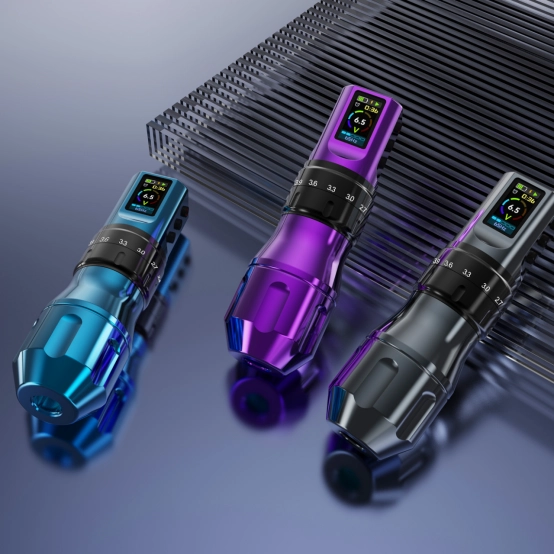
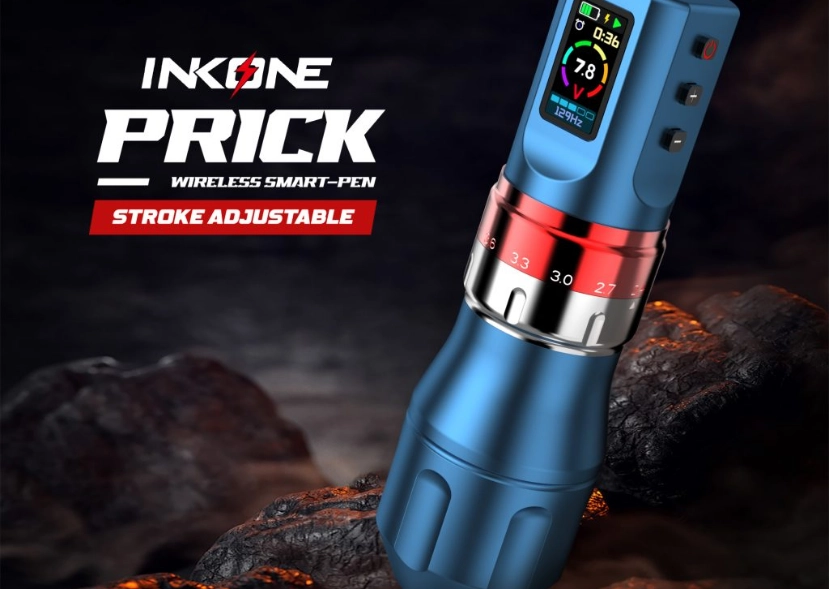
Tattooers favor coreless motors for their slim profile and sharp reactions. Take the PRICK Wireless Machine Pen, for example. It has a tailored 18×27mm coreless motor that runs with minimal shakes, perfect for clean lines and soft shading. The body, made from tough aircraft-grade aluminum, stays light to cut down on hand tiredness over extended work. Such a setup suits fine outlining, where exact control trumps raw strength.
Here are some standout perks:
- Fast reaction keeps needle action steady.
- Modest energy use stretches battery runtime.
- Gentle operation cuts shakes, easing wrist pressure.
Limitations of Coreless Motors
Even with these upsides, coreless motors face some downsides. They might warm up too much during steady hard use without good airflow. The fine coil setup calls for gentle care in building or fixing. Plus, they often outlast brushless options less, thanks to gradual mechanical rubbing.
What Is the Brushless Motor?
Where coreless motors bring grace, brushless ones offer toughness and command. These motors supply reliable twist with little breakdown—great for those needing even output over drawn-out jobs.
Structure and Working Principle of Brushless Motors
Brushless builds swap out old-school brushes for smart electronic guides that switch power flow without touching parts. Sensors or clever software handle the shifts digitally. You get tight control over current, low rub, and better overall output.
Advantages of Brushless Motors in Tattoo Machines
The MIG‑1 Wireless Tattoo Machine shows off these qualities well. Its 20×16mm brushless motor works quietly with few vibes and strong drive. Paired with two 2000mAh batteries that hold charge for 6–8 hours, it keeps going strong through all-day tattoos.
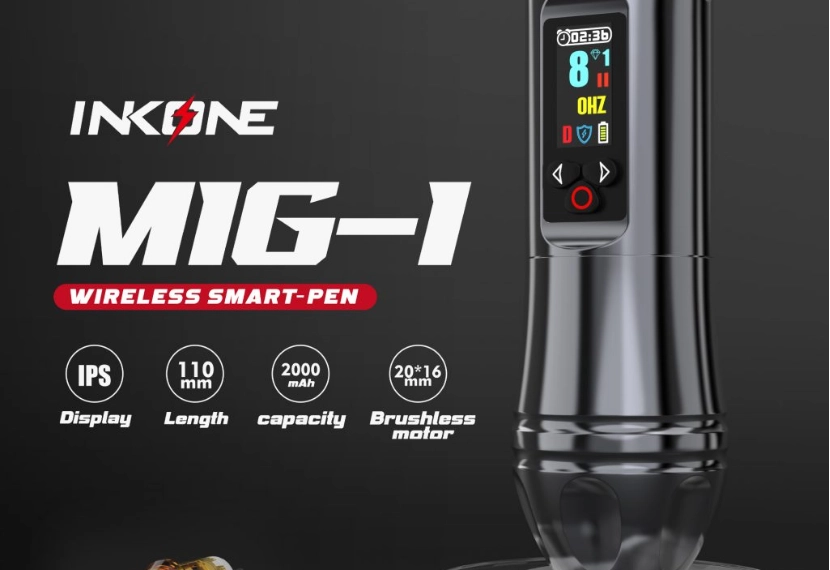
Key wins include:
- Extended life since no brushes grind down.
- Even twist across changing power levels.
- Cooler runs with softer sounds.
Limitations of Brushless Motors
Brushless setups often start at a higher price. That’s because they need advanced electronic brains. They also require careful fitting into cordless designs. Tight power control relies on digital paths.
Comparing Coreless vs Brushless Tattoo Motors
Both kinds of motors hold firm spots in pro tattoo tools. Each fits different creative demands, so let’s look closer at their tech contrasts.
Performance Differences That Affect Tattooing Experience
Power Output and Efficiency
Brushless motors push harder under pressure. They hold steady speeds too. This helps a lot in filling colors or blending big zones, where even needle push counts.
Weight and Handling Comfort
Coreless types weigh far less. The PRICK Wireless Machine Pen nails this with its user-friendly shape—a solid hold up front but light power source behind. If you depend on smooth wrist moves for detailed jobs, that slim feel changes everything.
Maintenance Requirements and Longevity
Brushless units barely need upkeep. No brushes mean no swaps or wipes. For coreless, check the coils now and then to keep them whole. When handled right, they’re simple to look after.
| Feature | Coreless Motor | Brushless Motor |
| Torque Stability | Moderate | High |
| Weight | Very Light | Slightly Heavier |
| Noise Level | Low | Very Low |
| Lifespan | Medium | Long |
| Maintenance | Occasional | Minimal |
| Cost | Lower | Higher |
Compatibility with Wireless Tattoo Machines
Cordless systems lean on smooth power flow from battery to motor.
Integration with Battery Systems
Match either motor to the right voltage, and they blend into wireless tools just fine. The PRICK Wireless Machine Pen gets 4–6 hours from its 1500mAh battery. Meanwhile, the MIG‑1 stretches to 8 hours with dual 2000mAh packs. These examples highlight how power handling varies by design.
Energy Efficiency Considerations
Coreless motors draw less juice in general. Yet they heat quicker when pushed. Brushless ones manage strength and warmth better. Their electronic controls stop excess heat during nonstop runs.
Choosing Between Coreless and Brushless for Your Tattoo Setup
Your choice boils down to how you work, more than raw specs.
Factors to Consider When Selecting a Motor Type
Reflect on your main tattoo style. Coreless motors excel in outlining or tiny details, thanks to their nimble feel. Brushless ones deliver firm twist for blending or packing hues. Long jobs? Go for brushless to stay cool. Budget matters too—coreless saves money at first, but you might swap them sooner after heavy wear.
How INKONE Supports Professional Artists and Distributors
INKONE provides coreless and brushless choices in various machine lines. We offer tweakable options via OEM/ODM services for brands wanting custom tattoo gear. Every piece passes tough quality checks. This builds reliable chains for worldwide distributors.
Future Trends in Tattoo Machine Motor Technology
As tattoo machines shift to brighter cordless setups, both motors adapt with fresh tech twists.
Advancements Driving Wireless Tattoo Innovation
Batteries drive much of the change. Newer, bigger cells now fuel longer shifts without constant plugs. INKONE already uses smart lithium packs for up to eight hours per go, based on the model.
Smart Control Systems for Precision Work
Coming machines may add digital brains for tweaking speeds, strokes, and twist on the fly. You could adjust via phone apps or touch screens. This gives artists real-time grip on settings during work—a big step up from basic old knobs.
FAQs
Q1: What is the main difference between a coreless motor and a brushless motor?
A coreless motor relies on a hollow coil without an iron core for quicker reactions. A brushless motor employs electronic switching for greater toughness and even torque.
Q2: Which type of motor lasts longer in tattoo machines?
Brushless motors tend to endure more. They avoid the wear from physical brushes.
Q3: Are coreless motors suitable for wireless tattoo machines?
Yes. Their small energy draw fits well with slim battery packs in cordless pens.
Q4: Do brushless tattoo machines require maintenance?
Not much. Without brushes or switches, just basic cleaning suffices.
Q5: Which motor type is better for fine line tattoos?
Coreless motors provide top-notch command and easy hold, perfect for precise outlines or subtle details.