Choosing a wireless tattoo machine today is no longer just about power or brand reputation. It is about how smoothly the tool fits into your creative rhythm. The best wireless tattoo pen gives you freedom from cords. It also offers steady performance and comfort that lasts through long sessions. If you have ever felt limited by cables or uneven voltage, it is time to look at what modern wireless systems can do for your art.
The Evolution of Tattoo Equipment
Early coil machines were loud and powerful. But they were also heavy and needed constant tuning. Rotary models made things simpler with smoother operation and less upkeep. The latest step, wireless tattoo machines, takes it further by removing cords entirely. Wireless designs bring hygiene benefits too. Fewer cables mean fewer surfaces that collect ink splatter or bacteria.
Key Components of a Wireless Tattoo Machine
A wireless tattoo pen relies on three main parts: the battery system, the motor, and the ergonomic design.
- Battery Power System: A good lithium-ion battery keeps voltage steady during sessions. Uneven power can lead to uneven lines or shading issues, so steady current matters a lot.
- Motor Type: Rotary motors run smooth with little vibration. Coreless motors give faster response and lighter weight. They work well for detailed line work.
- Grip Design: Ergonomics matter for daily use. Balanced weight helps cut wrist strain during long sessions. Textured grips also help with handling precision.
Evaluating Performance Factors in Wireless Tattoo Pens
Knowing how performance factors work together helps you pick a machine that fits your style. It is better than just following trends.
Power Output and Battery Life
Stable voltage keeps needle movement steady even when the battery drops. Most professional-grade wireless tattoo machines give 6–12 hours of working time per charge. This depends on voltage settings and needle resistance.
Some models offer fast charging in 1–2 hours. Others allow quick battery swaps to avoid breaks mid-session. That option helps when working on large pieces.
Motor Efficiency and Speed Control
Motor torque decides how well a machine pushes needles through skin without snagging or causing trauma. High-torque motors work great for lining. They keep force even under resistance. Softer torque settings suit shading or color packing where subtle control matters more.
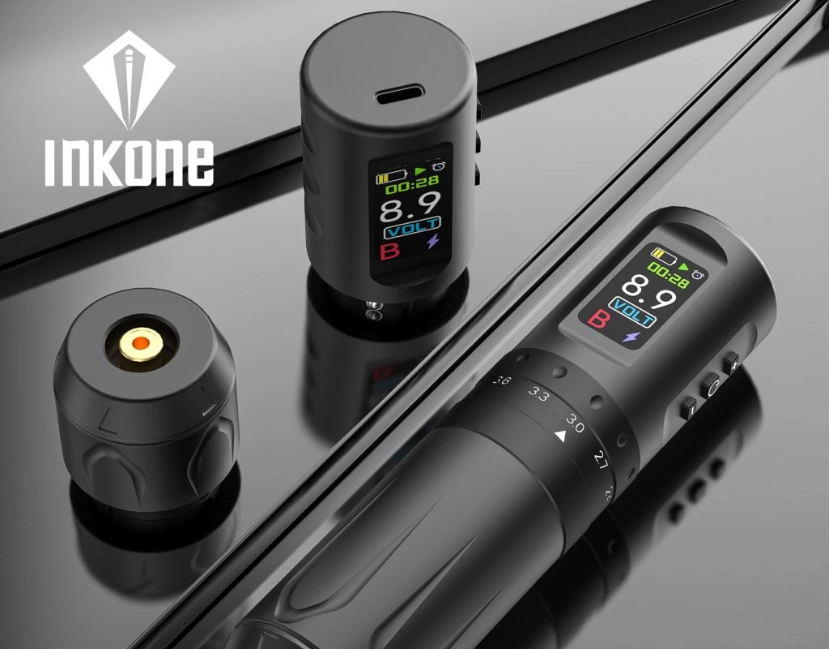
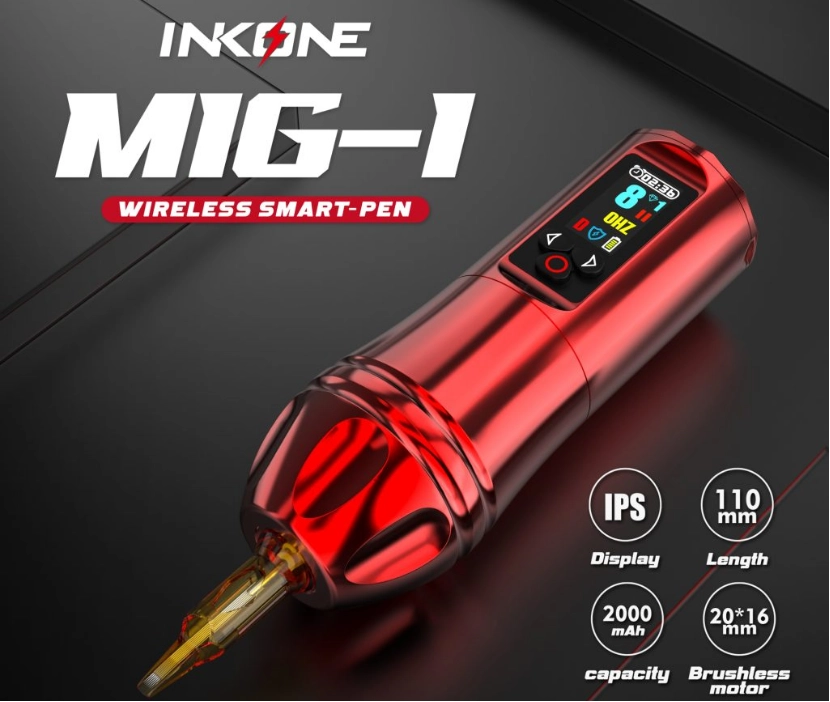
Adjustable speed settings let artists fine-tune performance for different techniques. Many advanced models include digital control panels. These show real-time voltage so you can watch output closely during work.
Needle Compatibility and Stroke Length Options
A professional wireless pen tattoo machine should support standard cartridge needles. This gives flexibility across brands. Adjustable stroke lengths, often from 2.5mm to 4.2mm, allow changes for lining or shading. Shorter strokes help with lining while longer ones suit shading.
Quick needle-change mechanisms save time between color switches. They also keep the workflow clean and efficient.
Design and Ergonomic Considerations
Comfort becomes key when you tattoo for hours every day. A well-designed wireless tattoo pen feels like part of your hand rather than something you keep adjusting.
Weight Distribution and Comfort During Long Sessions
Lightweight build helps prevent fatigue over long use. Many premium models use aircraft-grade aluminum housing. It stays durable yet light enough to keep good balance between grip and motor. Balanced designs help steady movement during detailed linework or complex gradients.
Noise Level and Vibration Reduction Features
Low vibration improves precision and cuts stress on your hands over time. Quiet operation helps create a calmer space for both artist and client. A soft hum instead of loud buzzing lets clients relax more during long sittings.
Digital Interfaces and Bluetooth Connectivity
Some advanced machines include Bluetooth connectivity. This pairs with mobile apps for remote voltage changes or preset memory storage. Artists can switch between saved setups right away without breaking rhythm.
Safety, Maintenance, and Hygiene Aspects
Tattoo equipment must meet strict hygiene standards. Wireless systems make cleaning much simpler than wired setups.
Easy Cleaning and Sterilization Design Features
Detachable grips made from stainless steel or anodized aluminum can go into the autoclave between clients. Sealed body designs stop ink or fluid from getting into internal parts. This helps keep conditions sanitary in studios.
Maintenance Requirements for Longevity
Routine cleaning after each session helps the motor last longer. Check O-rings often, replace batteries before they lose too much capacity, and keep charging ports clean. These steps support steady performance over years.
Choosing the Right Supplier for Professional Use
When buying professional-grade tools like a wireless tattoo machine, supplier reliability matters as much as product specs. Look for makers that offer certifications such as CE or RoHS. They should also run solid quality checks before shipping. Good after-sales support, including warranty and spare parts, brings peace of mind if issues come up later.
Why Partner with INKONE as Your Tattoo Equipment Supplier
INKONE stands out with its skill in making professional-grade tattoo machines and strong supply chain support across global markets. Its range covers wireless tattoo pens along with matching cartridges, power supplies, foot pedals, grips, and other accessories for full studio setups.
For distributors who want to grow their brand lists quickly, INKONE’s OEM/ODM services make private-label work simple while keeping quality steady for international sales.
Practical Tips Before Making a Purchase Decision
Even skilled artists gain from comparing specs before choosing new gear.
Comparing Specifications Across Models
When evaluating multiple options:
- Check torque ratings relative to your preferred style.
- Compare stroke length ranges for technique versatility.
- Assess battery life versus total session duration.
- Weigh ergonomic design against personal comfort preference.
Balancing budget against functionality prevents overspending on unnecessary features while ensuring reliable daily use performance.
Testing Before Full Adoption in Studio Use
Before switching entirely to one model across your team, conduct trial sessions under real working conditions—observe comfort levels during extended use, note any overheating issues, test voltage stability at different speeds. Collect feedback from colleagues about balance feel or vibration intensity before bulk purchasing decisions are made; this collaborative approach often reveals insights missed during solo testing.
FAQs
Q1: How long does a typical wireless tattoo pen last per charge?
Most professional models run between 6–12 hours depending on voltage settings and needle type used.
Q2: Can I use standard cartridge needles with any wireless tattoo machine?
Yes, most are designed to fit universal cartridge systems for maximum flexibility across brands.
Q3: What stroke length is best for fine line tattoos?
Shorter strokes around 2.5–3mm usually offer better control for precise line work.
Q4: Do wireless machines require special maintenance compared to wired ones?
Not really; regular cleaning routines apply equally but batteries need periodic replacement after extensive cycles.
Q5: Is Bluetooth connectivity necessary in a tattoo pen?
It’s optional but useful if you prefer adjusting voltage remotely or saving custom presets digitally for faster workflow transitions.