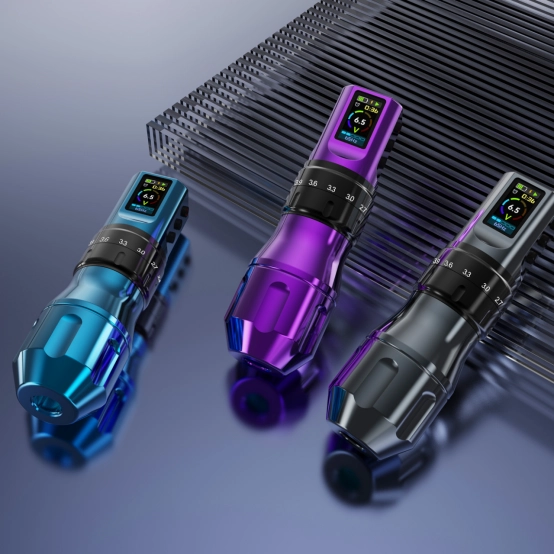
A private label wireless tattoo machine is not just an existing product with another logo. Battery stability, motor response, grip balance, heat, noise, and cartridge fit become part of the brand’s reputation.
A low factory price can disappear after returns or inconsistent batches. A capable supplier reduces those risks through clear specifications, repeatable testing, realistic lead times, and practical OEM or ODM support.
Define Your Target Market and Product Requirements
Define the machine before selecting the factory.
An apprentice-focused model may need simple controls, moderate power, broad cartridge compatibility, and clear instructions. A machine aimed at experienced lining artists will be judged more harshly. Stroke behavior, motor recovery, balance, and voltage response are difficult to hide.
Retail price sets limits. A USD 99 machine cannot carry the same battery system, finish, and accessory package as a USD 250 model.
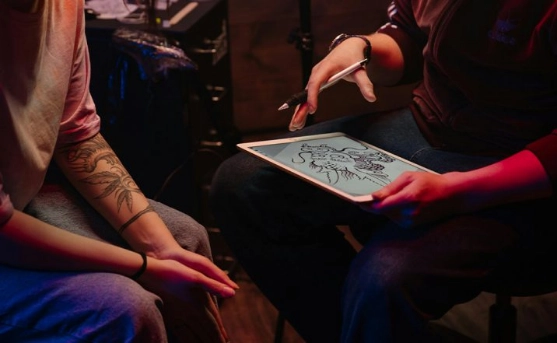
Prepare a requirement sheet covering target users, tattooing style, retail position, stroke, motor, runtime, weight, grip diameter, display, color, accessories, and order quantity. “Professional quality” is not a specification.
Choose Between Private Label, OEM and ODM
The terms are often mixed together, though the workload and risk are different. The right route depends on launch speed, budget, and required differentiation.
Private Label
Private label is usually the fastest option. The buyer selects an existing machine and adds a logo, manual, color, packaging, or accessory set.
It suits new brands testing demand because the core design already exists. The trade-off is limited uniqueness.
OEM
OEM changes an existing platform more deeply. The supplier may adjust the housing, grip, display, battery configuration, finish, or packaging.
A typical project uses a proven adjustable-stroke machine but adds a custom shell, branded battery, distinct color system, and retail box. The internal platform stays stable while the product becomes more recognizable.
ODM
ODM moves closer to product development. It may involve a new structure, custom electronics, or a different adjustment mechanism.
This route suits established brands with sales data and a clear brief. It also brings prototypes, tooling, firmware checks, and longer approval cycles. Vague ODM requests become expensive quickly.
Create a Wireless Tattoo Machine Specification Checklist
Wireless machines combine the drive system, control board, battery, structure, and interface in one body. Small decisions interact. A larger battery improves runtime but may ruin balance.
Motor and Power Performance
Confirm motor type, operating voltage, start-up behavior, and power stability under load.
Brushless motors may offer durability, but the label alone proves little. Control-board tuning, drive geometry, machining tolerance, and heat management matter too. Ask how the machine behaves during extended lining or color packing.
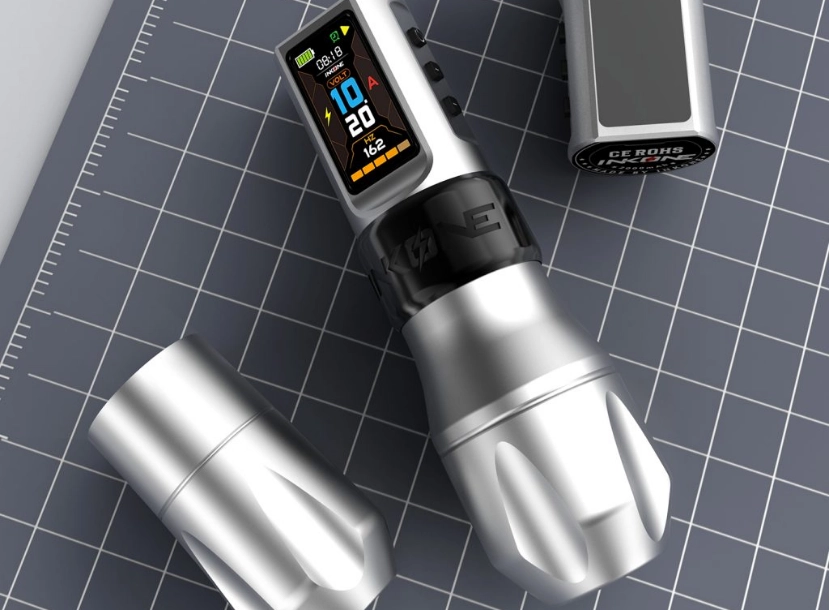
Stroke Options
Decide between fixed and adjustable stroke.
Fixed-stroke machines are simpler and can feel more solid. Adjustable models cover more techniques, but the selector must stay consistent. Loose mechanisms, unclear markings, or stroke drift create complaints quickly.
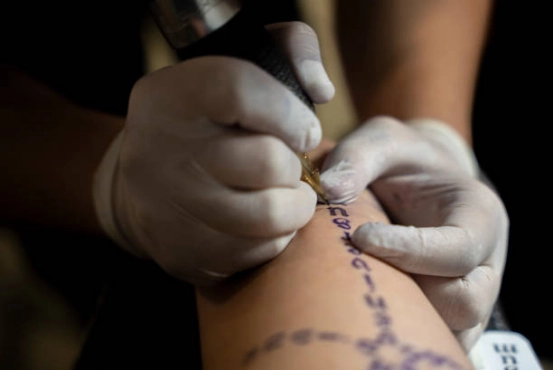
Shorter settings often suit softer shading. Longer settings are commonly chosen for stronger lining and color packing.
Battery System
Check real runtime, not only the printed milliamp-hour figure. Request the test voltage, needle load, charging time, and operating conditions.
USB-C charging, replaceable batteries, spare battery supply, and RCA backup are worth confirming. A dual-battery kit helps during long sessions. RCA backup can save a working day when a battery fails.
Ergonomics and Compatibility
Evaluate the complete setup, including the battery.
Check balance near the grip, overall length, grip diameter, button position, display angle, and top-heaviness. Test several common cartridge brands. Slight movement may seem harmless on a table; during fine-line work, it becomes noticeable.
Evaluate the Wireless Tattoo Machine Supplier
Treat the supplier as a production partner, not a catalog.
Confirm whether the company manufactures directly, controls assembly, or outsources most work. Ask how motors, batteries, control boards, and finished machines are tested.
One good sample does not prove that 500 units will perform the same way. Request details on batch testing, voltage calibration, cosmetic inspection, and traceability.
A supplier that avoids questions about battery cells, stroke tolerance, spare parts, or defects may avoid those issues later.
Export experience matters. Lithium battery shipping, labeling, manuals, replacement parts, and warranty handling all create work after shipment.
Order and Test Samples Before Bulk Production
Treat samples as engineering units.
Run the machine across its practical voltage range. Test lining, shading, and color packing. Check start-up response with different cartridge groupings. Measure battery runtime under load and watch for heat.
Test more than one unit when possible. One sample shows design quality; several begin to show production consistency.
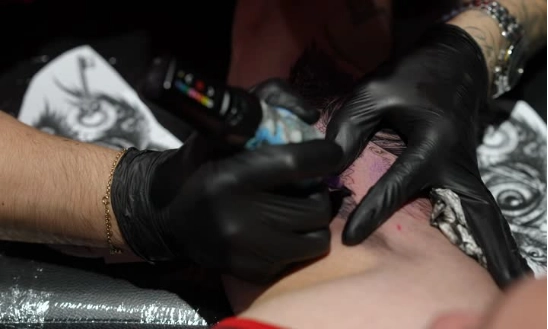
Two or three artists can reveal more than a bench test. One may notice grip fatigue. Another may find the voltage steps too coarse. A liner may expose motor recovery problems.
Record runtime, temperature, cartridge type, and artist feedback. “Feels good” is not enough.
Confirm MOQ, Pricing and Commercial Terms
Request a quotation that separates the base machine, logo, custom color, packaging, manual, accessories, tooling, samples, and spare parts.
MOQ changes with customization. Laser branding on a standard model may allow a smaller order. Custom colors, printed boxes, new housings, or structural changes push quantities higher.
Confirm pricing at several volumes, payment terms, sample and production lead times, warranty, defect handling, and replacement battery cost. The cheapest unit price becomes expensive when spare parts are unavailable.
Approve Branding, Packaging and Production Standards
Approve one final reference unit before mass production—a golden sample.
It should include the confirmed logo position, color, finish, display behavior, accessories, manual, labels, barcode, and packaging. Photograph it and attach the images to the purchase specification.
The inspection checklist should cover cosmetics, operation, voltage calibration, charging, stroke adjustment, cartridge fit, noise, included parts, and package condition.
A box can look premium and still fail during air freight. Internal support and battery protection matter more than decorative sleeves.
Plan Shipping and After-Sales Support
Wireless tattoo machines contain lithium batteries, so shipping requires planning.
Confirm express, air, and sea routes, battery documents, carton markings, packing limits, and destination-country requirements.
After-sales terms should be operational. Define how defects are verified, whether parts or complete replacements are supplied, and how quickly common components can ship. Keeping spare batteries, chargers, grips, and control parts in stock can stop a small fault from becoming a refund.
Source Private Label Wireless Tattoo Machines with INKONE
INKONE supplies professional tattoo equipment and consumables for overseas B2B customers, with private label, OEM, and ODM support.
Customization can include machine selection, logo application, colors, manuals, packaging, accessories, sampling, and mass production. Buyers may also reduce coordination work by sourcing machines and related consumables through one supplier.
A useful inquiry should include the target market, preferred machine type, stroke requirement, retail position, customization details, estimated quantity, and launch schedule. Better input usually produces a better quotation—and fewer revisions.
Contact INKONE to discuss your target market, machine specifications, customization requirements and estimated order quantity.
Frequently Asked Questions
Q: What is the MOQ for private label wireless tattoo machines?
MOQ depends on the selected model and requested changes. Logo branding and standard packaging usually require less volume than custom colors, printed boxes, new housings, or structural development. Ask for separate MOQ levels for samples, logo orders, packaging, and full OEM production.
Q: How long does it take to develop a custom tattoo machine?
A basic private label project can move quickly after sample approval. OEM changes need more time for drawings, colors, packaging, and testing. ODM development may take longer because prototypes, tooling, electronics, and repeated validation are involved.
Q: What should I test in a wireless tattoo machine sample?
Test motor response, voltage stability, stroke behavior, battery runtime, charging, heat, vibration, noise, balance, grip comfort, controls, display visibility, and cartridge compatibility. Use real lining, shading, and color-packing conditions. A short bench test is not enough.