You may ask a very common question: Can a single machine deliver smooth lines and soft shadows at the same time? Frequently, the answer is yes. However, true performance relies on several core factors. These involve stroke length and motor stability. Voltage control and needle compatibility play major roles too.
The physical feel of the machine in the artist’s hands is equally critical. Buyers often make a basic error. They focus heavily on exterior looks. They check battery capacity or rely on product pictures. Those specific details matter. Still, they never show the entire picture.
Why Lining and Shading Need Different Machine Feel
Outlining and smudging are two different techniques, and their requirements for equipment differ.
During outlining, a tattoo artist generally requires a stronger machine. It must deliver a highly direct hit. The tattoo needle has to break the skin with clean precision. Smudging requires a completely different approach. Professionals look for steady motions during this process. They also want a softer strike. This allows for fine control over pigment layering.
Success does not just come down to strong versus weak settings. Instead, it relies on finding the right balance. The equipment must supply adequate force to draw crisp lines. At the same time, it needs to offer smooth action for seamless blending.
Understanding Stroke Length in Tattoo Machines
Stroke length is one of the most important parameters to check. Simply put, stroke length refers to the distance the needle travels during tattooing. Longer strokes generally result in a stronger impact, while shorter strokes usually feel softer and smoother.
A stroke range of approximately 2.5 mm to 3.2 mm is typically used for soft shading, smooth gradients, light gray blending, and delicate transitions. 3.5 mm stroke can support basic outlines, shading, small area coloring, and general tattooing work. A stroke range of approximately 4.0 mm to 4.5 mm is generally suitable for bold lines, traditional tattoos, black work, and color filling.
Why Adjustable Stroke Tattoo Machines Are Popular
Adjustable stroke tattoo machines have become popular because modern artists often work with more than one style. One day they may do fine line work. The next day they may need stronger lining or color packing.
With an adjustable stroke machine, artists can switch settings instead of changing machines every time. This makes the tool more flexible in daily work.
Adjustable stroke tattoo machines are also easier to market. One machine can handle multiple operations such as lines, shading, and color fills. This reduces the risk of choice and makes the product more appealing to diverse customer groups.
Voltage and Motor Stability Also Matter
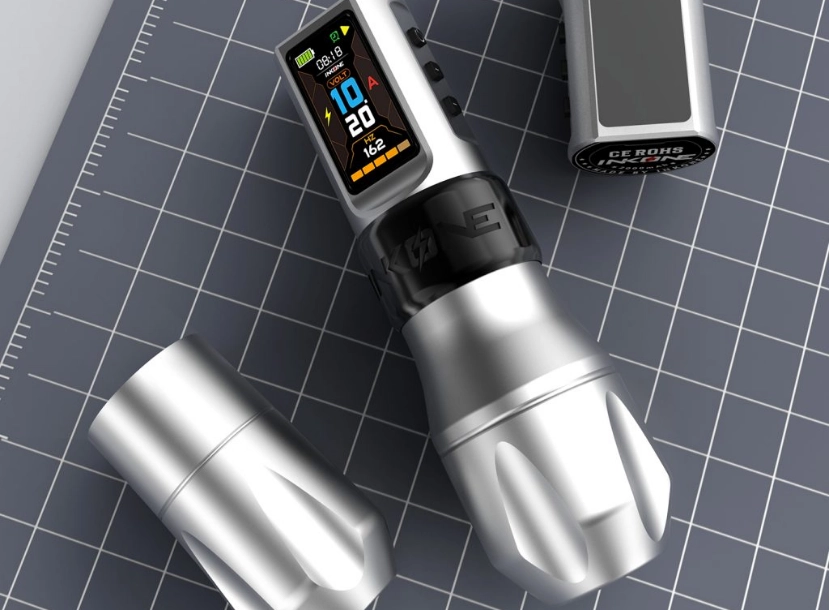
Stroke length matters a lot. However, you must look at other details too. A quality tattoo machine needs steady voltage. It must feature a solid motor as well. Think about your outlining work. A fluctuating power source creates broken lines. Shading follows similar rules. If the running speed changes constantly, the blends become harsh. This issue leaves artists with patchy gradations.
Before ordering a tattoo machine, you should check the following:
- motor type
- voltage range
- vibration level
- heat control
- battery stability for wireless models
- compatibility with cartridge needles
- performance during long sessions
This is especially important for wireless tattoo machines. Some machines work well when the battery is full but become weaker as the battery level drops. For professional artists, stable output matters more than a large battery number on paper.
Wireless Tattoo Machines for Lining and Shading
Wireless tattoo machines are now common in many studios. Without cables, artists can move more freely, especially when working on larger body areas or changing angles often.
But when choosing a wireless tattoo machine for lining and shading, you should not only ask, “How long does the battery last?” They should also ask, “Is the power stable during the whole session?”
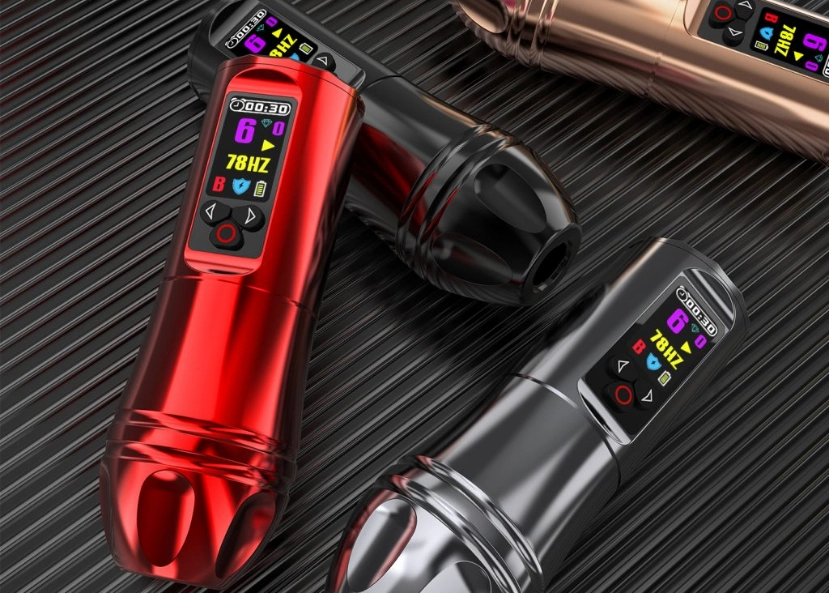
A proper wireless tattoo machine needs a comfortable weight. It must offer a well-balanced grip. Users also look for a clear voltage display alongside a stable output. Minimal vibration is very important. Furthermore, the tool requires enough working time to handle daily tasks. A replaceable battery makes a huge difference. Simple charging methods add value as well. These features allow artists to operate without interruptions.
Comfort matters greatly in any professional studio. It is never just a minor factor. A specific device might pack plenty of power. However, excess weight quickly leads to tired hands. Because of this issue, artists often avoid using heavy tools during extended appointments.
What You Should Ask Before Ordering
Before placing an order, it is useful to ask:
- Will this machine be used mainly for lining, shading, or both?
- Is the stroke fixed or adjustable?
- What needle cartridge types are compatible?
- Does the machine stay stable during long sessions?
- Is the grip comfortable for daily use?
- Can the supplier support logo, packaging, or OEM customization?
- Are samples available before bulk orders?
- What after-sales support is provided?
What We Recommend
We generally recommend choosing a machine based on your tattoo style first, and then comparing machine parameters.
Low vibration, stable needle movement, and precise control are crucial. Traditional tattoos or black and white styles require stronger impact, so motor power is also important. If you run a studio that caters to multiple styles, a tattoo machine with medium or adjustable stroke is usually a safer choice.
If you need to place bulk orders, product positioning is critical. A machine that can be clearly applied to lining, shading, and coloring is easier to explain to customers. Offering OEM packaging, logo customization, and a stable supply will further benefit long-term sales.
Conclusion
Picking the right tattoo machine for lining and shading goes beyond simply checking a list of technical details. You have to find the perfect match. This means looking closely at stroke length and power output. You also need to consider motor stability. In addition, the device must suit your needle compatibility and overall tattoo style.
A top-quality tool will help artists draw crisp lines. It also ensures soft, even shading. At the same time, it keeps the user comfortable during very long work sessions. Teaming up with a reliable tattoo equipment supplier makes this process much easier. A good supplier truly grasps these important factors.
Are you trying to find a tattoo machine that handles both crisp lining and soft shading? Get in touch with us today. We are ready to discuss wireless tattoo machines and adjustable stroke options. We also provide OEM logo customization, custom packaging solutions, and complete bulk order support for your local market.
FAQs
Q1: Can one tattoo machine be used for both lining and shading?
A: Yes. A medium stroke or adjustable stroke tattoo machine can usually handle both lining and shading, as long as the motor is stable and the voltage control is smooth.
Q2: What stroke length is best for lining?
A: For stronger lining, a medium to long stroke is usually better. Around 3.5mm to 4.5mm is commonly used, depending on the artist’s style and needle grouping.
Q3: What stroke length is best for shading?
A: For soft shading, a short to medium stroke works better. Around 2.5mm to 3.5mm can give smoother needle movement and better control over gradients.
Q4: Is an adjustable stroke tattoo machine better for beginners?
A: Yes, it can be a good choice. Beginners can test different stroke settings and use one machine for lining, shading, and basic color packing.
Q5: What should buyers check before ordering a wireless tattoo machine?
A: Buyers should check battery stability, voltage range, motor performance, grip comfort, machine weight, vibration level, and cartridge needle compatibility.