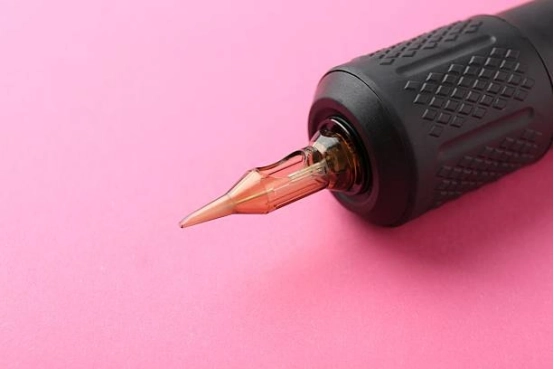
Tattoo machine stroke length is the distance the needle travels during one operating cycle. It is measured in millimeters and helps explain why two machines with similar shapes can feel very different in an artist’s hand.
The practical rule is simple: a shorter stroke often feels softer and more controlled, while a longer stroke often feels firmer and more assertive. Motor design, voltage response, needle grouping, needle hang and hand speed still affect the final result. For distributors, stroke length is therefore a useful way to organize a product range, not a standalone quality score.
Tattoo Machine Stroke Length: The Short Answer
Stroke length describes the internal movement range of the machine. A 2.5 mm stroke moves the needle through a shorter distance than a 4.0 mm stroke. Shorter movement is commonly associated with softer transitions and a lighter operating response. Longer movement is commonly associated with a stronger hit and more assertive ink delivery.
Neither choice is automatically better. The right position depends on the artist’s technique, the needle configuration and the work the machine is expected to support. A distributor can use stroke length to create meaningful product differences, then explain the rest of the buying decision through ergonomics, motor behavior and compatibility.
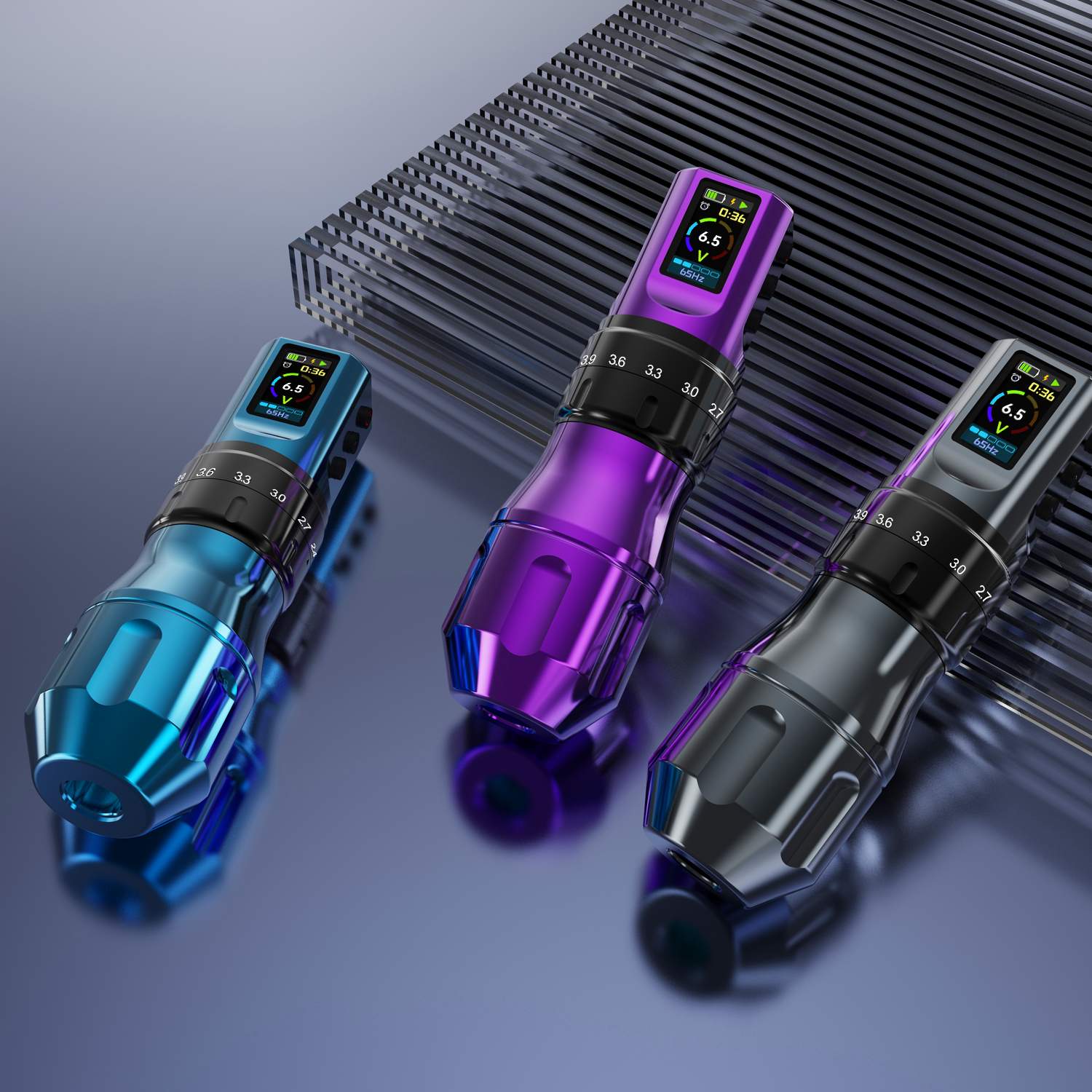
What Does Tattoo Machine Stroke Length Change?
Stroke length changes how the machine tends to respond during lining, shading and color work. These ranges are useful positioning guidelines rather than universal performance rules:
| Stroke range | Typical feel | Useful product position |
|---|---|---|
| 2.0–2.5 mm | Softer, shorter movement | Fine detail and delicate shading |
| 2.6–3.0 mm | Balanced and versatile | General lining, shading and mixed work |
| 3.1–3.8 mm | More noticeable hit | Lining, color work and stronger shading |
| 3.9–4.2 mm | Longer, firmer movement | Bold lines and larger saturated areas |
Short-stroke machines can suit artists who value control, small details and gradual transitions. Medium strokes are often easier to position as all-rounders because they do not force the user into one narrow application. Longer strokes can appeal to artists who prefer a firmer response for bold lining or color packing.
The specification should be explained together with the machine’s motor, voltage behavior and grip design. A long stroke does not guarantee faster work, and a short stroke does not prevent strong lines.
How Should Distributors Match Stroke Length to Use Cases?
A practical range can start with four clear positions.
First, choose a balanced core machine for artists who need one tool for everyday lining, shading and mixed workflows. A wireless option such as the INKONE PRICK wireless tattoo machine can occupy this type of general-purpose position when its other specifications fit the target market.
Second, add a precision-oriented option with a shorter stroke for customers who prioritize fine detail, light shading or a softer response. Third, add a stronger-hit option with a longer stroke for bold lining, traditional work or color packing. These models should feel meaningfully different in use, not only in color or packaging.
Fourth, consider whether an adjustable machine can cover several of these needs. This can be more useful than adding several fixed-stroke models that overlap heavily.
When building the range, describe each model by task: “balanced for mixed work,” “softer for detail” or “firmer for bold lines.” This language helps sales teams and buyers understand the difference faster than a list of millimeter values alone.
When Is an Adjustable Stroke Machine Useful?
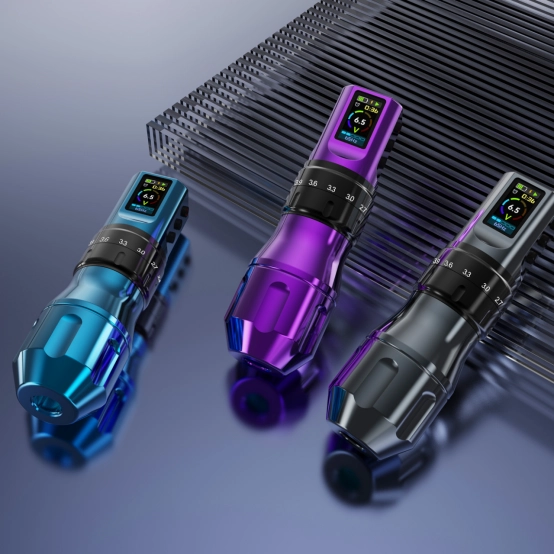
An adjustable stroke machine is useful when a distributor wants broader coverage with fewer core SKUs. It can support artists who move between detail, shading, lining and packing, provided the adjustment system is clear and repeatable.
INKONE’s TROX wireless pen is listed with settings from 2.4 mm to 4.2 mm in several increments. That range gives a distributor a clear product story: lower settings can be positioned for a softer, more detail-oriented response, while higher settings can be positioned for a firmer feel.
Adjustability also creates a training requirement. The product description should explain what changes at each setting and should avoid implying that one adjustment is ideal for every artist. If customers cannot understand the practical difference between settings, the extra flexibility may create confusion instead of value.
What Should Buyers Check in a Tattoo Machine Buying Guide?
Stroke length should be checked alongside these criteria:
- Motor stability: Does the machine respond consistently across the expected voltage range?
- Weight and balance: Can artists hold it comfortably during longer sessions?
- Grip options: Are diameter and adjustment choices suitable for the target users?
- Battery configuration: Does runtime and charging behavior match the market expectation?
- Cartridge compatibility: Will the machine work with the needle systems customers already use?
- Packaging clarity: Can a buyer understand the intended use without a sales explanation?
- Batch consistency: Will the specification and feel remain stable across production runs?
Sample approval: Can the distributor test the exact sample against agreed criteria before production? The tattoo machine sample approval process provides a useful structure for that review.
This checklist helps prevent a common buying mistake: comparing stroke numbers while overlooking the features that determine whether the machine is comfortable, compatible and easy to sell.
FAQ
What Is the Best Stroke Length for Lining?
There is no universal best length. Short-to-medium strokes can support control, while medium-to-long strokes may suit artists who prefer a firmer response for bold lines.
What Stroke Length Is Best for Shading?
Shorter strokes are commonly positioned for softer shading and gradual transitions. A medium stroke may be more useful when the artist needs one machine for shading and general work.
Is a Longer Stroke Better for Color Packing?
A longer stroke may suit artists who prefer a stronger hit, but color packing also depends on needle choice, voltage, hand speed and technique.
Does Stroke Length Determine Needle Depth?
No. Stroke length describes the machine’s internal movement range. Needle hang and adjustment determine how far the needle extends from the cartridge or grip.
Are Adjustable Stroke Machines Useful for Distributors?
Yes, when the settings are easy to explain and reduce overlap between products. They are less useful when customers cannot understand how each setting changes the intended use.
Build a Clearer Tattoo Machine Range
Stroke length gives distributors a practical starting point for separating products by operating feel. A balanced model can anchor the range, a shorter model can serve precision-oriented users, a longer model can address firmer-hit preferences, and an adjustable model can broaden coverage.
The next step is to compare those positions with your target customers, price structure and accessory ecosystem. INKONE’s distributor range planning guidance can help you decide how many models to carry. If the range needs a private-label or custom development path, you can also send INKONE your product requirements for a more specific discussion.