A cartridge can click into a machine and still be a poor match. The needle may sit too high. The grip may hold it loosely. That becomes a return or slow-moving stock.
Compatibility covers the connection and needle hang. Stroke response matters too. So do membrane behavior and batch consistency. Use this check before a volume order.
Why Tattoo Cartridge Compatibility Matters in B2B Distribution
An artist can reject an awkward cartridge within minutes. In distribution, the same issue reaches a reseller and a studio that bought a full box.
Good compatibility reduces complaints. Customers tend to reorder the tested combination, not an isolated cartridge number.
Private-label brands carry a heavier risk. End users blame the brand when a needle binds or leaks. Compatibility testing protects the brand.
The Main Factors That Determine Tattoo Cartridge Compatibility
The useful checks are mechanical. Product names are not enough. Identical needle groupings can behave differently when housings or membranes change.
Cartridge Housing and Connection
Check the housing dimensions and the way the cartridge locks into the grip or tube. Some systems use a familiar connection but leave enough tolerance for a loose fit on a particular machine. The cartridge should insert smoothly. It should seat fully and stay centered while the machine is moving.
Avoid a design that needs excessive force to remove.
Needle Hang and Adjustment Range
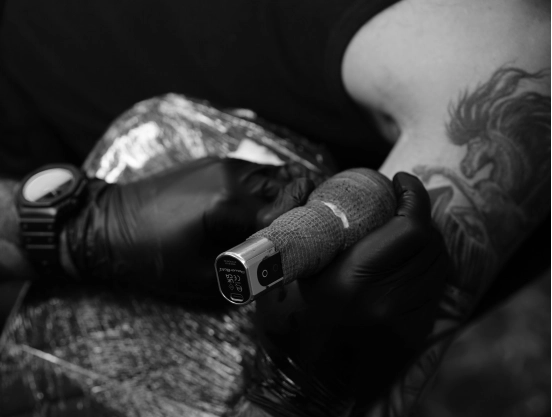
Needle hang is the visible needle extension outside the cartridge. It affects line control and shading. It also affects the amount of pigment delivered. The machine’s stroke and the grip’s adjustment range need to support the cartridge’s working position.
A cartridge may look fine during installation yet leave too little adjustment. Test both ends of the practical range.
Membrane and Ink Flow
The membrane keeps the needle bar moving back into position and helps limit ink backflow. Its tension matters. A membrane that is too soft can leak or respond inconsistently. A stiff one can change the feel of the machine.
Run it with the inks and speeds used by customers. A light wash may not behave like a heavy pigment.
Drive-Bar Engagement
The cartridge’s internal needle bar must meet the machine’s drive bar correctly. Poor engagement can cause a faint click. It can also cause incomplete movement or extra vibration. These symptoms are easy to miss in a photo.
For buyers comparing tattoo machines, ask for the recommended cartridge platform and then verify it with physical samples. The written specification and the hand test should agree.
Tattoo Cartridge Compatibility Matrix for Buyers
Use a simple matrix during product selection. It keeps a quote tied to evidence.
| Checkpoint | What to Verify | Possible Risk |
| Machine interface | Cartridge and grip connection | Loose or unstable fit |
| Needle hang | Available adjustment range | Poor line control |
| Stroke compatibility | Machine stroke versus cartridge response | Inconsistent ink deposit |
| Membrane | Return force and leak resistance | Backflow or contamination |
| Needle configuration | Round liner / magnum / shader type | Wrong application |
| Batch consistency | Same dimensions across samples | Repeat-order complaints |
The matrix helps when a product family expands. A new magnum should not inherit an older round liner’s status without a check.
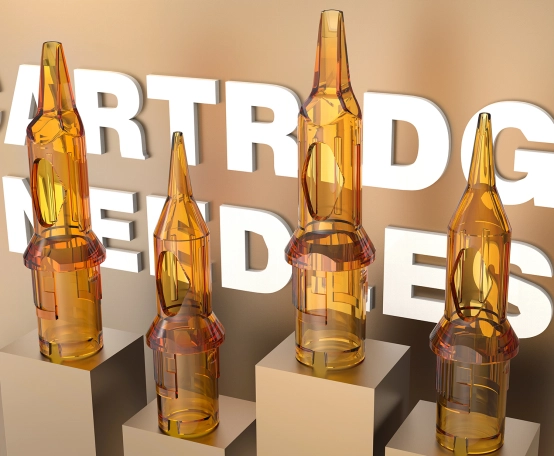
How Distributors Should Test Cartridge Compatibility Before Ordering
Testing needs a repeatable setup and a written result.
Step 1: Request a Technical Specification Sheet
Ask for cartridge dimensions and needle groupings. Include membrane type and recommended machines. Add sterile packaging details plus private-label options. Keep the document with the quotation.
Step 2: Test Physical Installation
Install samples on every planned machine model. Check insertion and locking. Check removal and centering. Check side play.
Step 3: Run a Functional Test
Test lining and shading at normal speeds. Test packing too. Observe ink flow and needle stability. Listen for unusual vibration or sound. Check the cartridge after use.
Step 4: Test Multiple Samples
One good cartridge proves little. Pull samples from different boxes or batches. Compare needle extension and housing fit. Check membrane response too. If results vary, ask how tolerances are controlled.
Step 5: Create an Approved Compatibility List
Record the machine and grip. Add the cartridge code and working settings that passed. This gives customer service a clear compatibility answer.
Compatibility Considerations for Private Label Tattoo Cartridge Brands
Private-label development should freeze compatibility requirements before artwork takes over. The approved sample needs a technical record, not only a logo proof.
Define the cartridge dimensions and needle grouping. Add the membrane specification and packaging. Record sterile labels. Record recommended machines and production tolerances. When a mold or membrane material changes, test again. Do the same when the needle supplier changes.
This is where a one-stop tattoo needles and cartridges program can simplify coordination. Machines and consumables are reviewed alongside packaging. INKONE’s OEM/ODM service can support product presentation and configuration changes. The question is whether the approved sample can be repeated at scale.
Keep an approved reference sample with its inspection points. That prevents a repeat purchase from drifting into a different fit.
Common Tattoo Cartridge Compatibility Mistakes
Several purchasing mistakes appear again and again:
- Choosing by needle type while ignoring the machine interface.
- Treating “universal” as proof of compatibility with every machine.
- Checking installation but skipping a continuous performance test.
- Ignoring needle hang and stroke together.
- Approving one sample without checking batch consistency.
- Changing packaging or production details without a new approval test.
- Giving customers no clear list of compatible machine models.
The cheapest cartridge is not cheap if it forces box replacements.
Tattoo Cartridge Compatibility Checklist for an RFQ
Include the following information in the request for quotation:
- Target machine models
- Required cartridge types
- Needle groupings
- Expected monthly or annual volume
- Destination market
- Private-label packaging requirements
- Sterile packaging and labeling needs
- Sample quantity
- Compatibility testing requirements
- Quality inspection criteria
- Replacement and warranty expectations
- Desired production and shipping schedule
For a broader sourcing project, include related wholesale tattoo needle cartridges used by the sales channel. The supplier can quote a product mix instead of unrelated SKUs.
FAQ About Tattoo Cartridge Compatibility
Q: Are all tattoo cartridges compatible with every tattoo machine?
No. Connection structure and needle hang vary. Stroke and drive-bar engagement vary too. Confirm the machine model and test a physical sample.
Q: How can distributors test cartridge compatibility?
Start with installation. Test needle stability and ink flow under normal conditions. Check membrane performance. Listen for unusual vibration or sound. Check multiple samples before a bulk order.
Q: Can tattoo cartridges be customized for a private-label brand?
Yes, depending on the specification and order volume. Options may include needle configurations and membrane choices. Sterile packaging can also be customized. Labels and retail boxes are common options. Approve a production sample before manufacturing.
Build a More Reliable Tattoo Equipment Range with the Right Supplier
Compatibility is a system issue. Mechanical fit is only the entry point. Needle movement and membrane response matter. Consistency decides whether the product works in a studio.
Planning a wholesale or private-label range? Send INKONE the target machines and cartridge types. Add volume and market requirements through a wholesale quotation. Include packaging requirements. A clear specification gives the supplier something useful to test.