Makers design tattoo machines for exact detail. However, even top models can struggle from heavy daily use. A skilled artist understands something important. A tiny change in how a tool works can hurt a whole tattoo session. These devices rarely break all at once. Instead, they wear down in tiny, hard-to-see ways. Eventually, the issue grows too big to ignore.
Why Tattoo Machines Sometimes Malfunction
Heavy use without regular care often causes breakdowns. Dirt, old ink, and dead skin gather inside the main frame. This buildup blocks moving parts. In damp workspaces, water in the air can rust metal contacts. This moisture also disrupts the electrical current flowing to the motor or coils. Bad power connections can make a tattoo machine act strange. This often happens with weak wall outlets or cheap power boxes. Sometimes, artists feel their wireless tattoo machine lose speed during a job. Later, they find out a bad cable or plug caused the drop. Building materials matter a lot. Cheap parts break down quickly. They also cause shaking that no adjustments can repair.
How to Identify Early Signs of Trouble
A device almost never stops working without a warning. Problems begin with small shifts in shaking. The needle motion might feel just a bit out of time. A trained worker feels this change before hearing it. The buzzing sound changes its tone. This noise points to loose screws or worn parts inside. Pigment stops flowing smoothly. Artists then have to trace the same line multiple times. This extra work hurts the skin and ruins color brightness. You should watch for these early clues. Fixing small things right away stops huge crashes during important jobs.
Troubleshooting Power and Connectivity Issues
Electrical faults usually show up at the worst possible moments. They happen right in the middle of shading or drawing thin lines. A strong link between the power box and the tattoo machine is very important. You need this solid connection for steady work.
What Causes a Tattoo Machine to Lose Power?
Loose RCA plugs or clip cords often cause power to cut in and out. For wireless tattoo machines, battery packs get weaker over months of use. This aging lowers voltage control even after a full charge. Broken metal contacts inside the plugs can stop the current completely. When power drops happen a lot, people get confused. They might think the motor died. However, the real fault is just a bad wire link.
How to Fix Power Problems in Wireless Tattoo Machines
You should check the battery level before every client. This simple step stops anger later on. Wiping metal contacts with alcohol pads cleans off dirt and rust. This cleaning helps electricity flow better. If the device still drops power, you need to buy new batteries. Getting official replacements from INKONE guarantees a perfect fit. These fresh batteries keep the tool running smoothly during long days. You must also check charging wires and wall plugs often. Finding bad cables early stops sudden power drops. Those drops can damage delicate computer chips inside wireless units.
Managing Performance Irregularities During Tattooing
Every worker has seen their tool run too fast or too slow for no obvious reason. This changing speed ruins needle depth control. It also messes up how the skin takes the color. The final artwork ends up looking patchy.
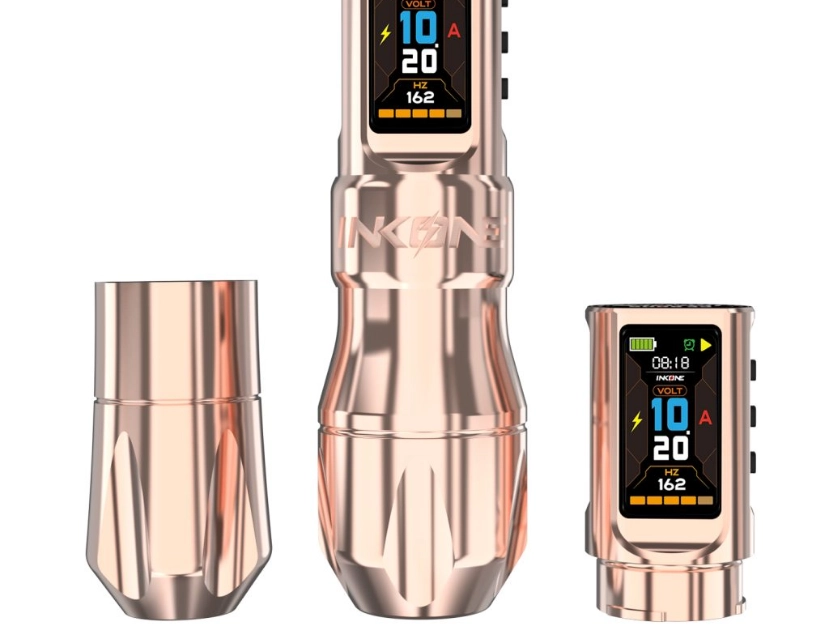
Why Is My Tattoo Machine Running Too Fast or Too Slow?
Wrong voltage choices are usually the main cause. Many people forget that different needle groups need different power settings. Coil devices might require small tweaks to their spring tension. Rotary motors rely on exact settings for stroke distance and speed. Heat buildup is another big issue. Running the tool for hours without a break raises heat inside the motor. This extra heat slows the device down after a long time.
Adjusting Speed and Stroke for Smooth Operation
You should test power levels slowly. This careful testing helps you find the best mix of speed and control. You must use good needles that fit your exact tattoo machine. Proper needles lower the strain on the motor. They also keep the hitting rhythm very steady. After you finish a tattoo, you need to clean and oil the moving parts. This care stops rubbing and stiffness. Smooth parts keep the device balanced for the next client.
Addressing Needle and Ink Flow Problems
Fluid supply issues annoy both beginners and experts. These annoying blocks stop the creative flow during a session.
What Causes Inconsistent Needle Depth or Ink Flow?
A bad lineup between the needle bar and the tube tip is a common fault. It makes the needle enter the skin at different depths. Old, dry pigment blocks the fluid paths over time. This happens if you do not wash the tubes well between color switches. Cheap cartridges sometimes stop the fluid from moving. They suffer from bad internal shapes. They might also have weak rubber parts that break under pressure.
Simple Maintenance Steps for Better Ink Flow
You should wash the device with clean water between colors. This flushing removes leftover color before it hardens inside the tips. You must look at cartridges for cracks before you put them in. Checking them early stops wasted time during a job. Picking INKONE well-made needles guarantees smooth color delivery. Manufacturers design these needles for steady fluid movement. They work great for thin lines and heavy dark areas alike.
Preventive Care for Long-Term Machine Reliability
A well-kept tattoo machine feels very different in your hand. It vibrates smoothly and reacts right away. It also stays cool halfway through huge back pieces.
How Regular Maintenance Improves Performance Longevity
Daily washing stops dirt from gathering. This dirt causes rubbing damage on metal bearings or springs. Planned part checks lower the chance of sudden breaks. You do not want a failure when client time is tight. Buying original spare parts keeps the tool strong. Every real piece fits perfectly into the exact space. You should never force wrong, cheap parts into the frame.
Choosing Reliable Equipment for Professional Results
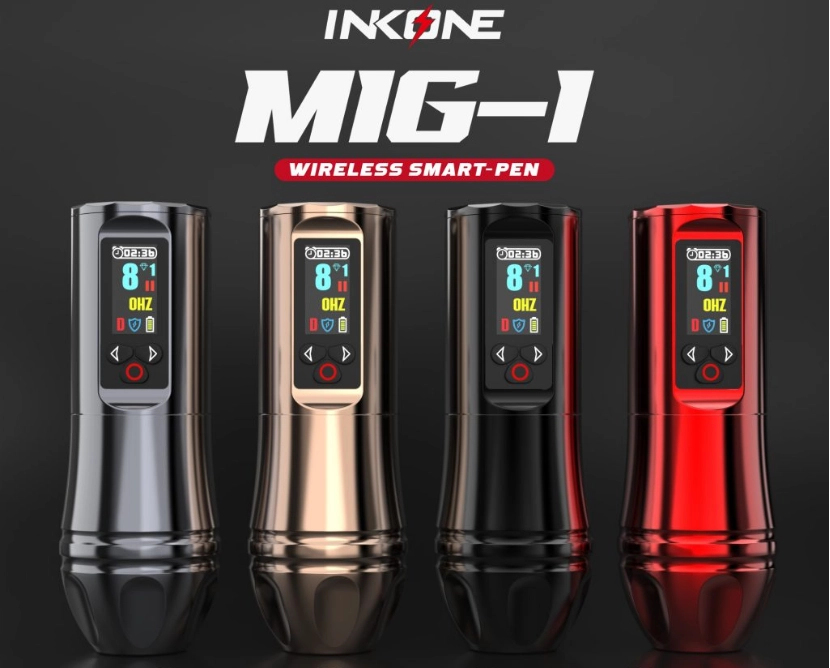
A solid tattoo machine builds customer trust just like perfect lines do. It shows skill, safety, and exact care from start to end. INKONE wireless tattoo machines use modern motor designs. Builders make them for steady power even during very hard jobs. Every unit passes strict factory tests before shipping. These tests promise great results in real shops. You can visit the official INKONE website to see more. The site shows their complete list of wireless tattoo machines, needles, and extra gear. The company builds these items for serious workers who need great tools every single day.
FAQ
Q: Why does my wireless tattoo machine stop mid-session?
Old batteries or dirty metal contacts often block the power. Wiping the connection points usually brings the power back for a short time. However, buying new batteries gives you the best long-term fix.
Q: How often should I service my tattoo machine?
Simple washing after every client is very important. You also need to do deep checks every few months. Looking at springs, bearings, and motor parts keeps the device running smoothly.
Q: Can humidity really affect my tattoo machine?
Yes, damp air hurts tools. This is very true for coil types because water rusts the metal pieces. Keeping your gear completely dry makes it last much longer.