Voltage dictates how a tattoo machine responds to the artist. It is more than a simple number on your power supply. Instead, it acts as the heartbeat of your device. This power controls your rhythm, depth, and overall consistency. Many professionals view voltage as a feeling. However, learning the actual mechanics improves your control and precision significantly.
What Does Voltage Mean in a Tattoo Machine?
A higher setting creates faster needle strokes. It also pushes the needle deeper into the skin. Conversely, a lower setting reduces the speed. This slower pace provides better control for soft shading and tiny details. Finding the right mix of speed and power changes how ink sits under the skin. Stable voltage creates very smooth lines. It also ensures solid color packing across various skin types. On the other hand, fluctuating power makes the needle skip. This skipping causes patchy ink spots and adds extra damage to the skin.
Why Is Correct Voltage Crucial for Tattoo Artists?
Wrong voltage settings often lead to poor tattoo results. If the power is too high, the needle strikes too hard. This heavy impact causes blowouts and permanent scarring. If the power is too low, the ink will not stay in the skin. You will have to go over the same spot multiple times. This repeated work harms the skin. Experienced tattoo artists look for a perfect balance. At this level, the machine runs smoothly. Keeping this balance during long appointments lowers hand fatigue. It also protects the client’s skin. Outlining usually needs more power than shading. Clean lines require enough force to pack ink in a single stroke. Shading and coloring work best at lower levels. These reduced settings build smooth color fades without damaging the tissue.
Recommended Voltage Settings for Different Tattoo Techniques
Each tattoo style requires a specific pace. Adjusting your power supply helps you find that exact pace.
What Voltage Should I Use for Lining?
Coil tattoo machines generally need 7V to 9V for solid lines. This range depends on your spring tension and needle size. Wireless tattoo machines usually run better at lower levels. They typically stay between 6V and 8V. This drop happens because modern motors transfer energy very well. The client’s skin texture also plays a big role. Thick skin on elbows and ankles needs a bit more power. Soft skin on the inner arm requires less force. Always watch the ink flow closely. If your lines look weak or skip, your power is probably too low. If the skin turns red and swells right away, your setting is too high.
Optimal Voltage for Shading and Coloring
Shading requires a gentle approach. Many artists use 5V to 7V for soft color blends. This range works perfectly with magnum needles and curved setups. The goal is to wipe the ink into the skin gently. You do not want to punch it in. Thick inks might need a small power boost. This extra push helps thick ink move through large needle groups. Veteran artists change their settings while working. They feel how the needle pushes against different skin areas. They often drop the power a little bit when switching from dark black to light gray washes.
How to Adjust Tattoo Machine Voltage Like a Professional
Solid tattoo results come from good preparation and careful execution.
Step-by-Step Guide to Setting Up Your Machine
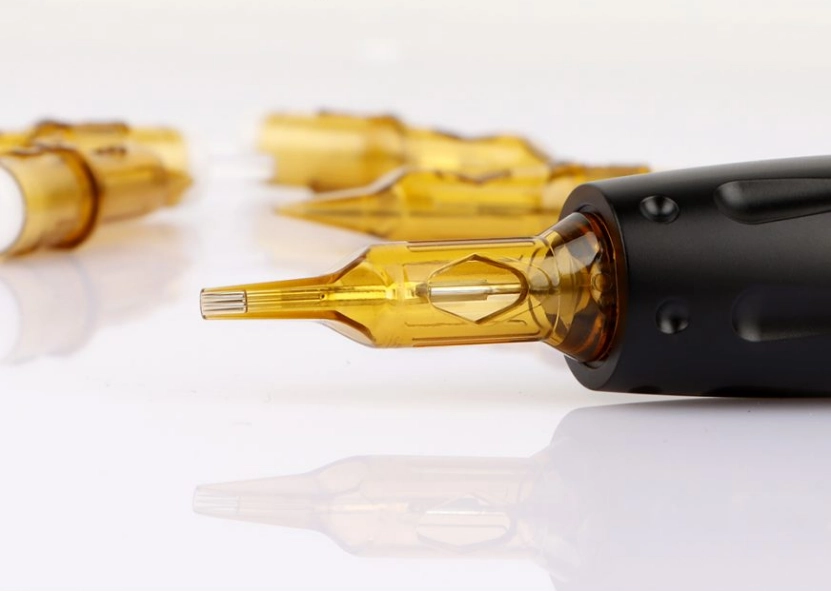
Check your power supply before every appointment. Make sure it matches your wireless tattoo machine. The battery must provide a steady flow of energy. A fluctuating current will make your machine run poorly. Start by running the motor without a needle. Listen closely for a steady humming sound. It should not spit or stall. Next, attach your needle cartridge. Test the machine at your normal working depth. While tattooing, pay attention to the physical vibration. Listen to the motor noise. Do not rely entirely on the digital screen numbers.
Common Mistakes When Adjusting Voltage
High power settings destroy needle cartridges very fast. They also chew up fragile skin tissue. Low power settings force you to repeat your strokes. This repetition ruins fine details. Battery wear is another major issue. Wireless systems lose their strength if you do not care for the batteries. Many new artists push their hands down harder when the power is too low. They should adjust the dial instead. Pressing too hard causes uneven needle depth. It also causes extra pain for the customer.
Advanced Tips for Wireless Tattoo Machines
Wireless technology alters the way energy flows through tattoo machines.
How Does Voltage Differ in Wireless vs Wired Machines?
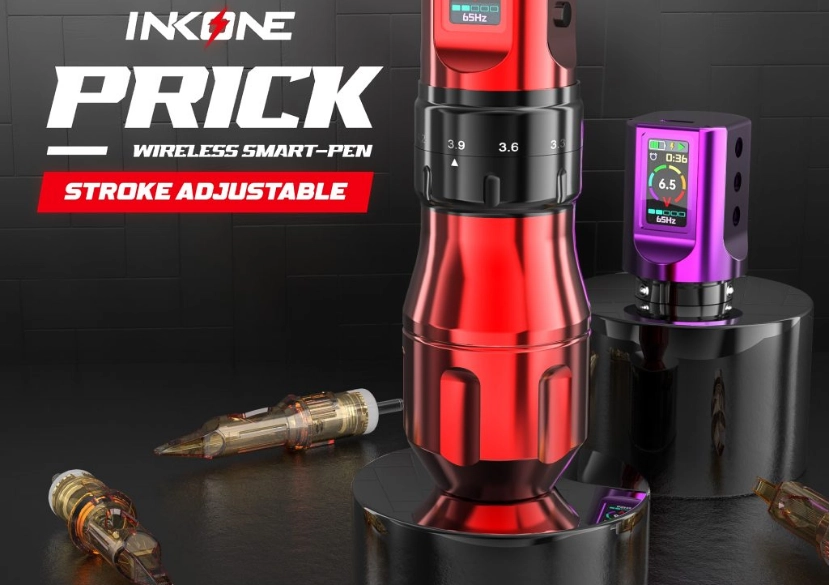
Wireless units pull energy straight from an attached battery. They do not use a wall plug. Because of this, small power drops happen as the battery drains. Quality modern systems have internal chips. These chips keep the power steady when the needle hits the skin. However, cheap models fail at this task. Managing your battery life is an important skill. You must charge your batteries completely before starting. This habit keeps your machine running perfectly all day. INKONE wireless tattoo machines feature advanced internal boards. These boards keep the motor strong even when the battery gets low. This technology helps artists keep their lines sharp during very long appointments.
Maintaining Stable Power During Long Sessions
Power loss during a tattoo is hard to see at first. However, your lines will eventually look weak. Your shading will look patchy in the middle of the tattoo. You need premium lithium batteries to stop this problem. You also need a good charger. The charger must fill the battery without making it too hot. Many working artists use INKONE gear. They suggest keeping two full batteries on hand. You can swap them out during big tattoos. This method keeps your work moving without long breaks.
Best Practices for Safe and Efficient Tattooing with INKONE Equipment
Advanced tools only improve your work when you use them correctly.
Combining Technique with Technology for Better Results
Every artist develops unique working habits. Some people like to pull lines very fast. Others prefer a slow and steady hand motion. You must match your personal style with the right machine settings. INKONE builds machines with perfect weight distribution. They also feature highly responsive motors. When you turn the dial, the needle reacts instantly on the skin. Cleanliness is also incredibly important. You must use sterile grips and fresh needle cartridges. A clean desk stops infections. Good hygiene matters more than fancy equipment.
Why Choose INKONE as Your Tattoo Equipment Partner?
INKONE provides a large selection of professional tattoo machines. They sell small wireless units for easy travel. The company makes great needles, grips, and extra parts. These items hold up perfectly under heavy daily work. The brand focuses on building smart and tough tools. This focus lets the artist worry about the art instead of broken gear. You can visit the INKONE official website to see their products. They design their supplies for modern artists. These artists need reliable and comfortable tools for every single client.
FAQ
Q1: What happens if my tattoo machine runs at unstable voltage?
Fluctuating power makes the needle move poorly. This issue creates light spots in the tattoo. It also causes heavy damage to specific skin areas.
Q2: Can I use one voltage setting for all techniques?
This is a bad idea. Outlining requires more power. Shading needs lower power to create soft color blends.
Q3: How do I maintain my wireless tattoo machine battery health?
Do not let the battery die completely. Charge the unit after every tattoo. Always use the proper charger for lithium batteries.
Q4: Are wireless tattoo machines less powerful than wired ones?
Modern tools from brands like INKONE offer the exact same pushing power. They use smart chips to keep the motor strong. They perform just like standard wired machines during long days.